
Embarking on a journey to create a serene and efficient tiny house inspired by Japanese design principles? You’re in the right place. Our comprehensive guide will walk you through 14 captivating Japanese tiny house interior design ideas, ensuring you have all the insights and inspiration you need to craft your perfect miniature haven.
So, what are the best Japanese tiny house interior design ideas? Embracing minimalism, natural materials, and functional spaces are key. Japanese tiny house design focuses on simplicity, harmony, and the efficient use of space. Each element, from furniture to decor, serves a purpose, creating a clutter-free, tranquil environment.
Ready to dive deeper? Let’s explore the nuances of Japanese tiny house design and discover how you can integrate these principles into your own space.
Contents
- 1 The Art of Japanese Tiny House Design
- 2 1. Embrace Minimalism
- 3 2. Incorporate Natural Materials
- 4 3. Utilize Sliding Doors
- 5 4. Create Multi-Functional Spaces
- 6 5. Emphasize Natural Light
- 7 6. Incorporate Greenery
- 8 7. Use Low-Profile Furniture
- 9 8. Create a Tatami Room
- 10 9. Use Neutral Color Palettes
- 11 10. Integrate Traditional Japanese Elements
- 12 11. Emphasize Clean Lines
- 13 12. Create a Sense of Wabi-Sabi
- 14 13. Use Lighting to Enhance Ambiance
- 15 14. Create a Connection to Nature
- 16 Conclusion
The Art of Japanese Tiny House Design

Japanese tiny house design is more than just a trend; it’s a philosophy that blends aesthetics with functionality. By focusing on essential elements and eliminating clutter, these designs create a sense of peace and balance. Let’s dive into the 14 design ideas that will transform your tiny house into a Japanese-inspired sanctuary.
1. Embrace Minimalism
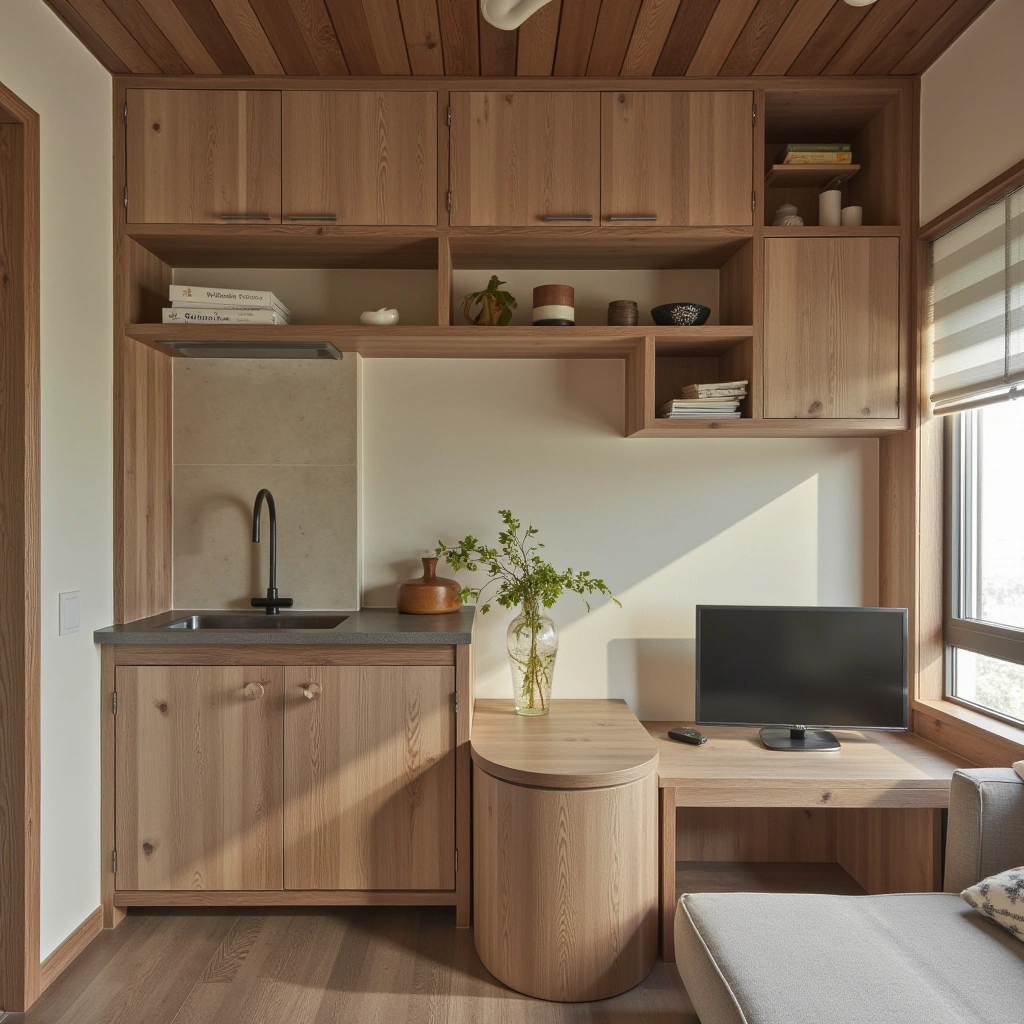
Minimalism is the cornerstone of Japanese tiny house design. By keeping only the essentials, you create a space that is both functional and aesthetically pleasing. Opt for multi-functional furniture pieces that can serve dual purposes, such as a sofa that converts into a bed or a coffee table with built-in storage. Use neutral color schemes like white, beige, and grey to enhance the sense of space and tranquility.
Practical Tip: Start by decluttering your space. Remove any items that don’t serve a purpose or bring you joy. This will create a clean slate for your minimalist design.
2. Incorporate Natural Materials
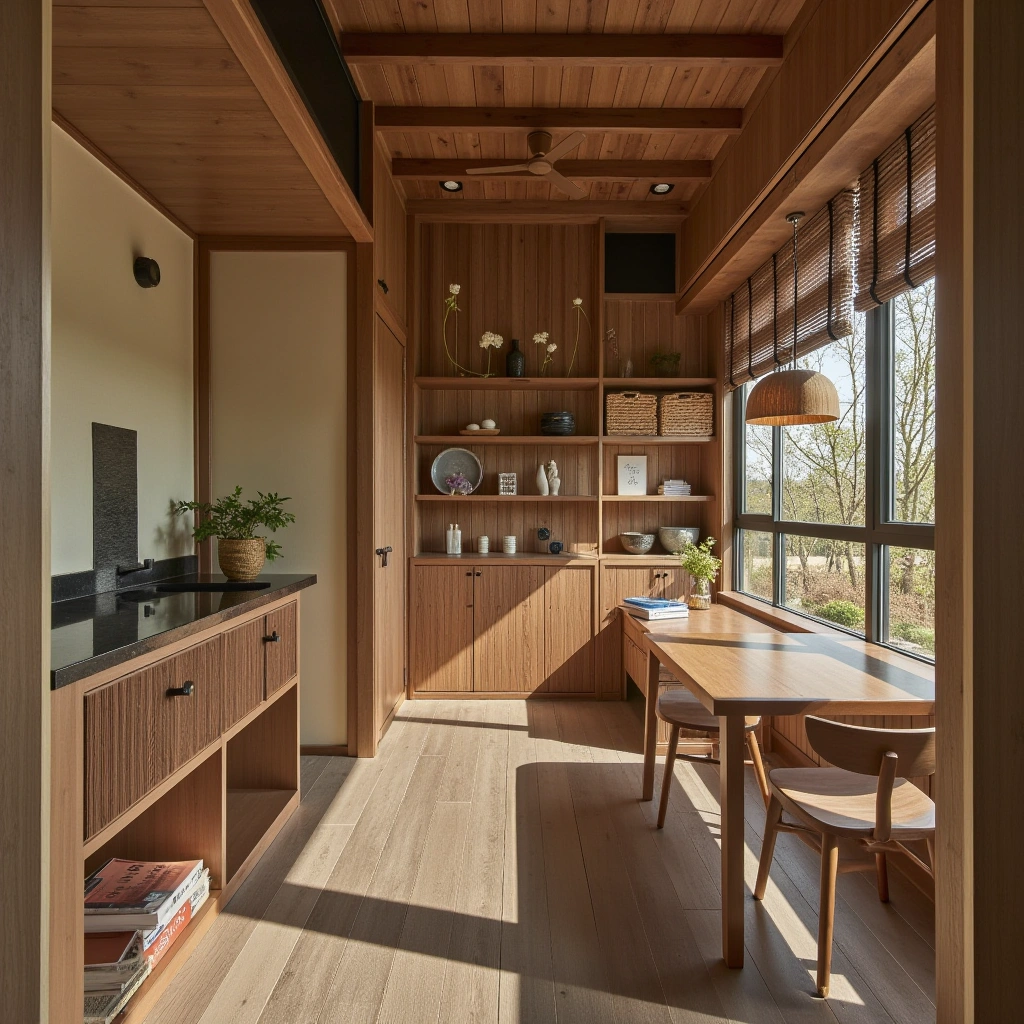
Natural materials like wood, bamboo, and stone are integral to Japanese design. These materials bring a sense of warmth and connection to nature. Use wood for flooring, bamboo for decorative accents, and stone for countertops or backsplashes. The natural textures and tones will create a harmonious and calming environment.
Practical Tip: Consider using reclaimed wood for your flooring or furniture. It adds character and is eco-friendly.
3. Utilize Sliding Doors
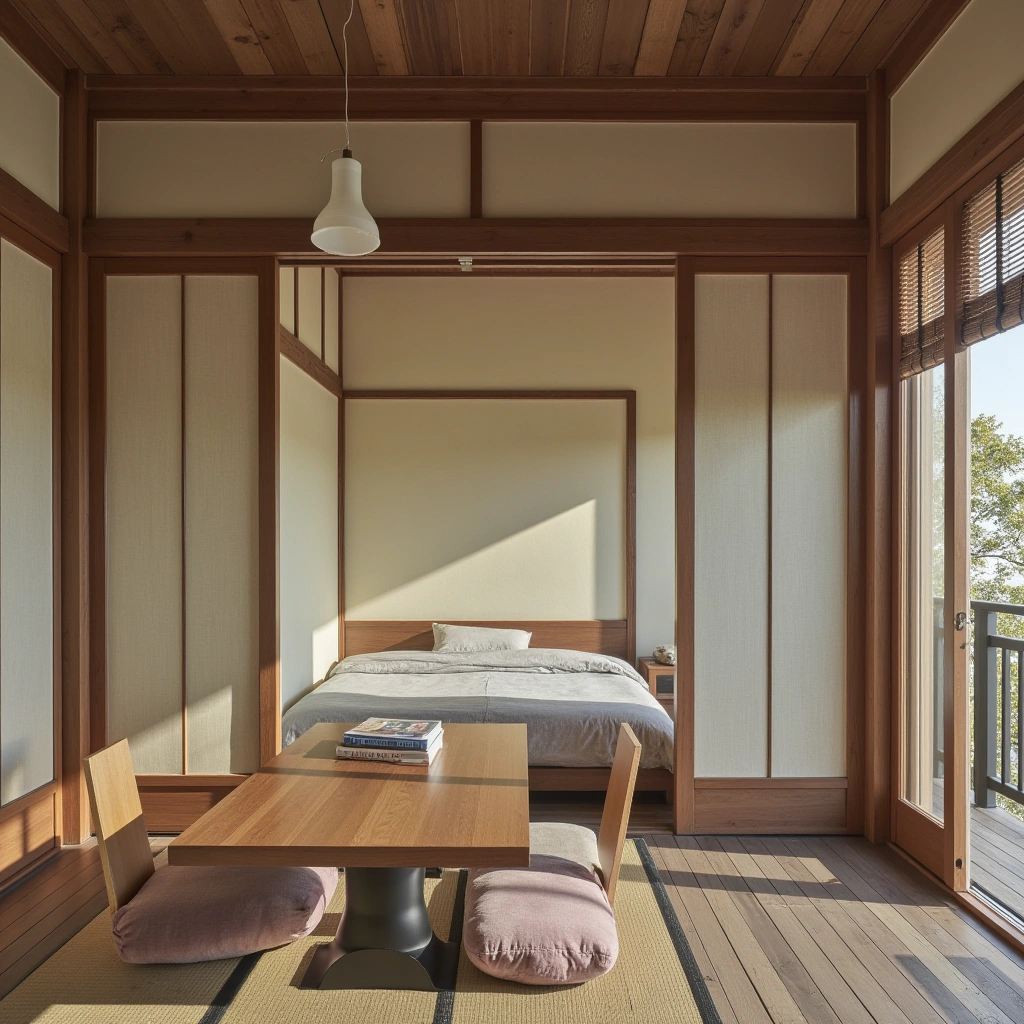
Sliding doors, or shoji screens, are a traditional Japanese element that saves space and adds a touch of elegance. They can be used to separate rooms or create private spaces without taking up valuable floor space. Opt for lightweight, translucent materials that allow natural light to filter through.
Practical Tip: Install sliding doors in place of traditional hinged doors to maximize space and create a seamless flow between rooms.
4. Create Multi-Functional Spaces
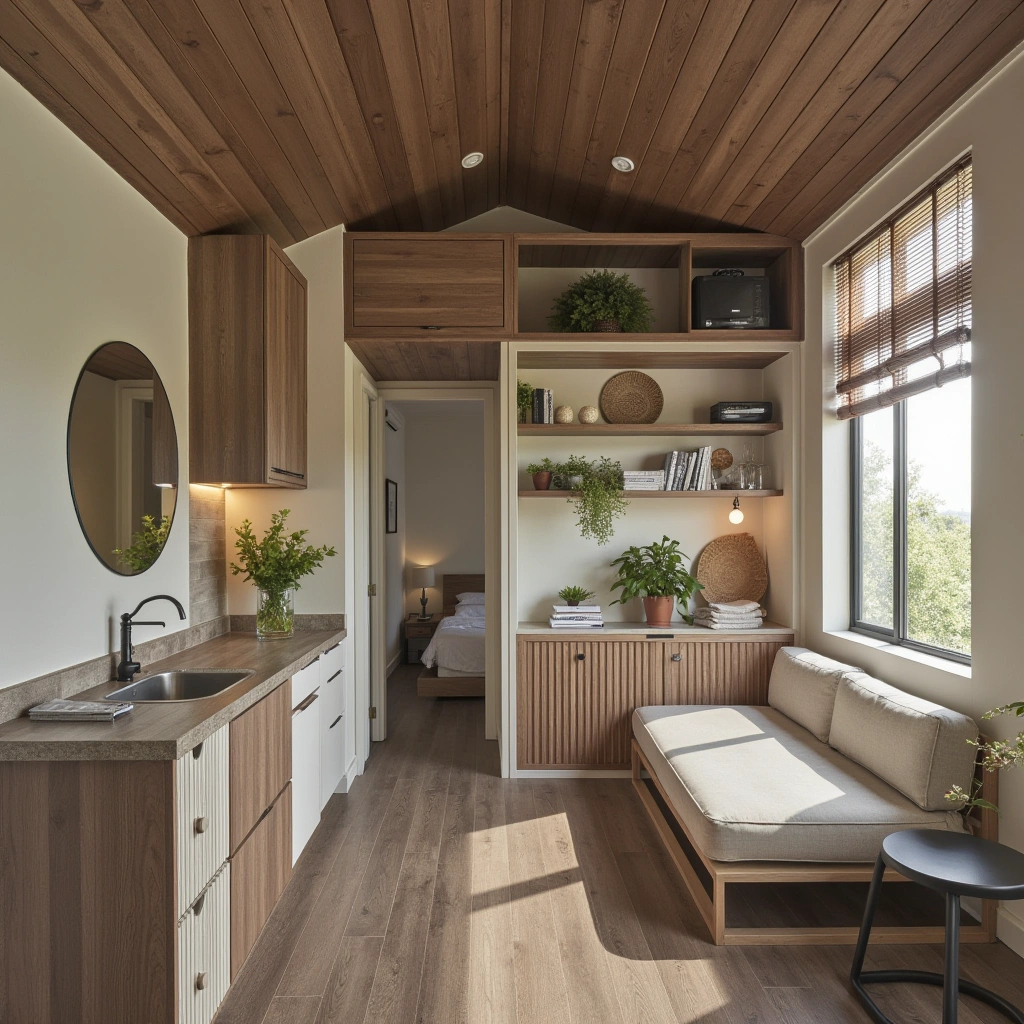
In a tiny house, every square inch counts. Create multi-functional spaces that can adapt to different needs. A living room can double as a guest bedroom with a fold-out sofa, or a kitchen can also serve as a dining area with a foldable table. The key is to use furniture that can be easily rearranged or transformed.
Practical Tip: Use modular furniture that can be reconfigured to suit different activities. For example, a modular sofa can be arranged into various seating configurations.
5. Emphasize Natural Light
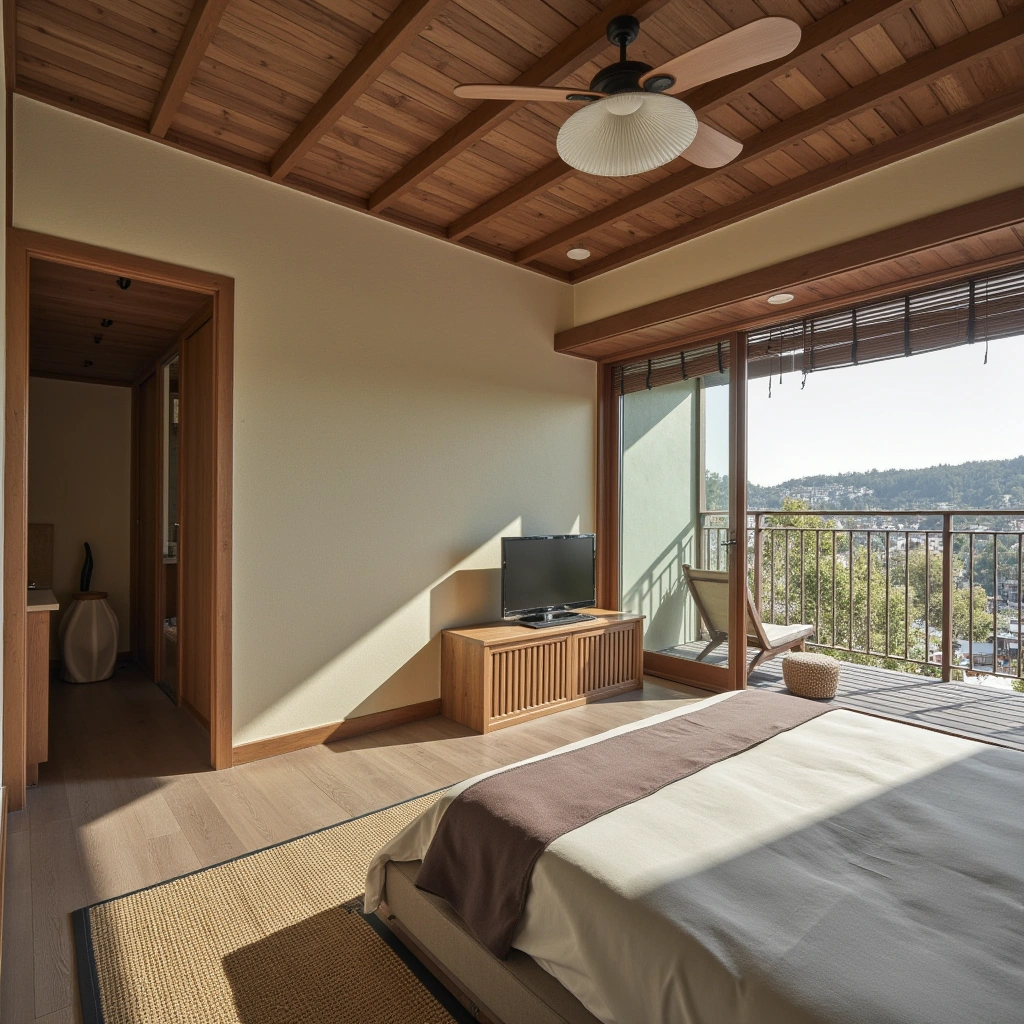
Natural light is essential in Japanese design. It creates a sense of openness and connects the interior with the outdoors. Use large windows, skylights, and glass doors to maximize natural light. Consider using sheer curtains or blinds that allow light to filter through while providing privacy.
Practical Tip: Place mirrors strategically to reflect natural light and create the illusion of a larger space.
6. Incorporate Greenery
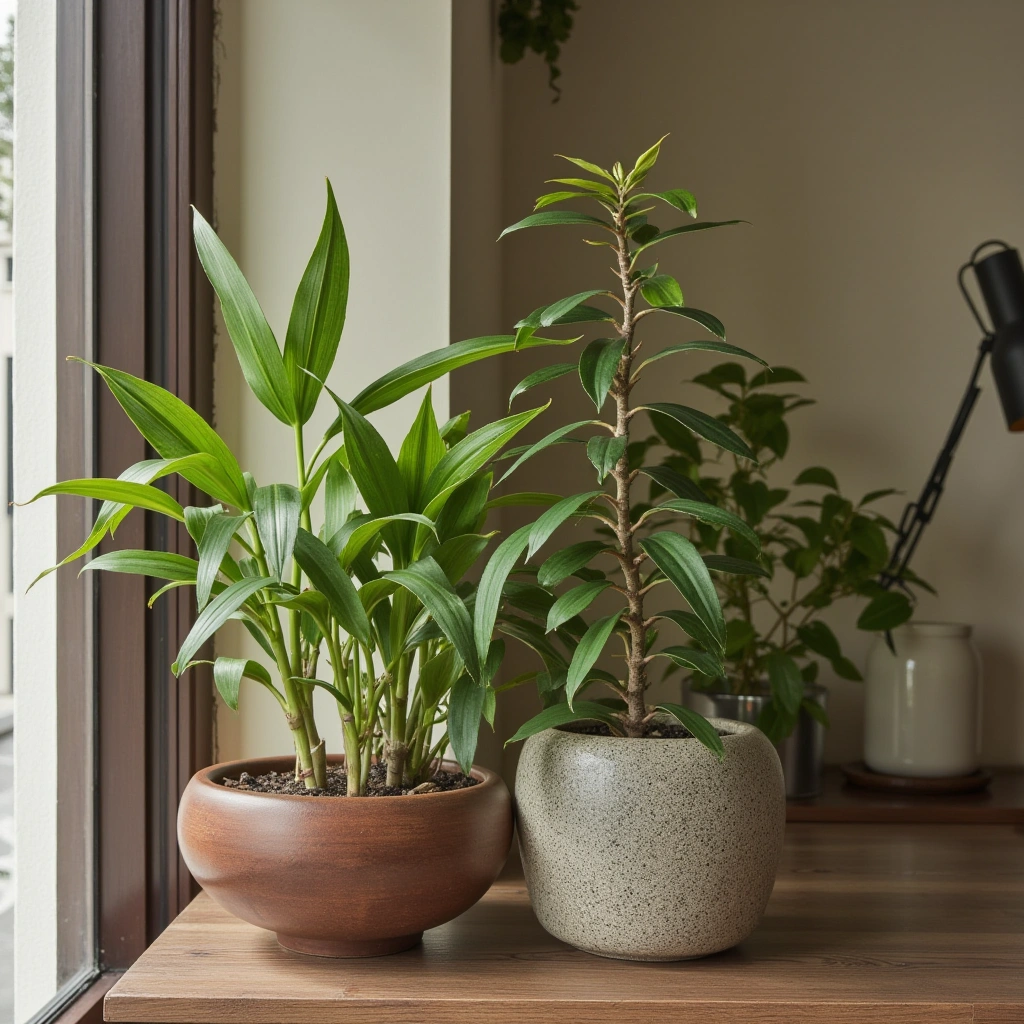
Plants are a vital element in Japanese design, bringing life and freshness to the space. Choose low-maintenance plants like bamboo, bonsai, or succulents that thrive in small spaces. Place them in decorative pots or hang them from the ceiling to save floor space.
Practical Tip: Use vertical gardening techniques to maximize space and create a lush, green environment.
7. Use Low-Profile Furniture

Low-profile furniture is a hallmark of Japanese design. It creates a sense of spaciousness and allows for easy movement. Opt for low beds, sofas, and tables that sit close to the ground. This not only saves space but also creates a cozy, inviting atmosphere.
Practical Tip: Choose furniture with clean lines and simple designs to maintain a minimalist aesthetic.
8. Create a Tatami Room
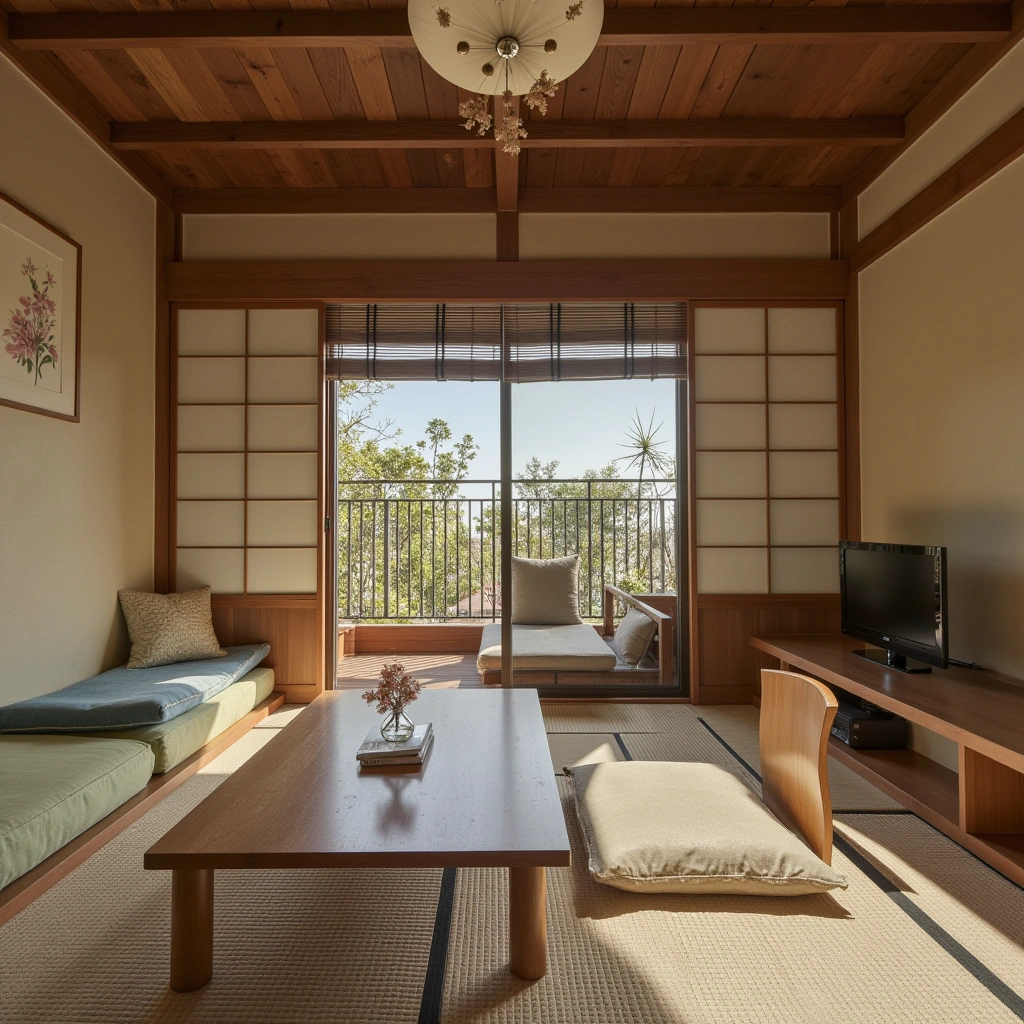
A tatami room is a traditional Japanese space used for relaxation and meditation. It features tatami mats made from rice straw, which provide a soft, comfortable surface. Use this room for activities like yoga, meditation, or simply relaxing. The natural materials and simple design create a serene environment.
Practical Tip: Incorporate a low table and floor cushions for seating, making the space versatile for different activities.
9. Use Neutral Color Palettes
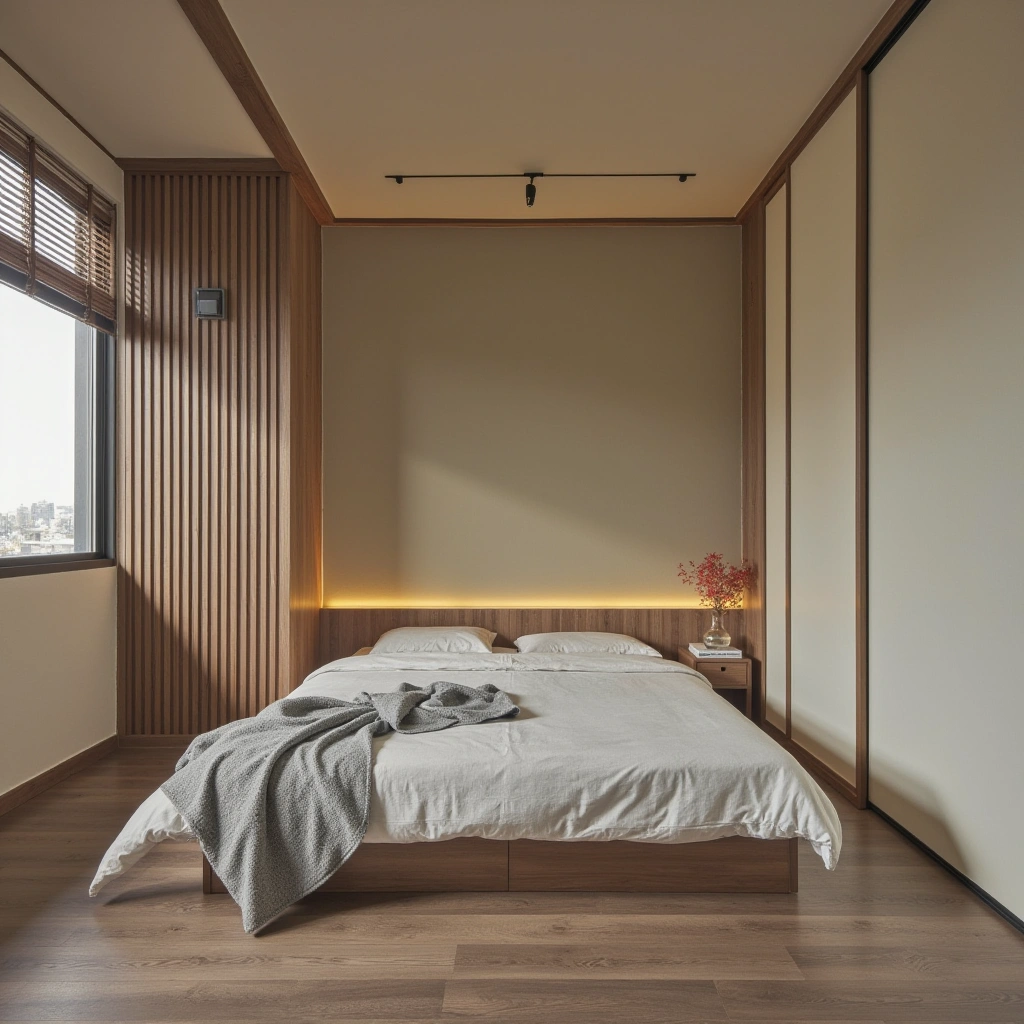
Neutral color palettes are essential in Japanese design. They create a calming and harmonious environment. Opt for soft, muted tones like beige, grey, and white. Accent with natural wood tones and subtle pops of color, such as green from plants or blue from decorative accents.
Practical Tip: Use a monochromatic color scheme to create a cohesive and tranquil space.
10. Integrate Traditional Japanese Elements
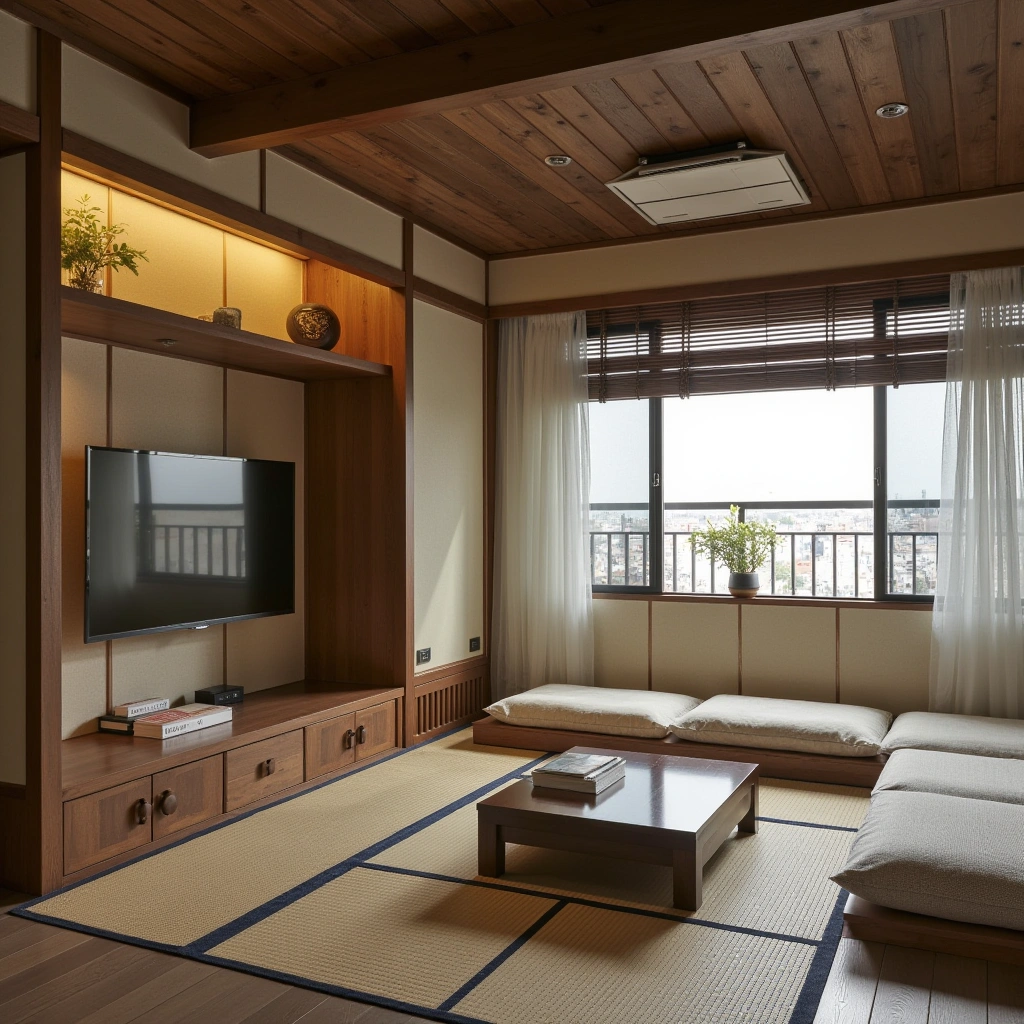
Incorporate traditional Japanese elements like shoji screens, tatami mats, and futons to add authenticity to your design. These elements not only enhance the aesthetic appeal but also serve practical purposes, such as providing privacy or comfortable seating.
Practical Tip: Use shoji screens as room dividers or to create a private nook within a larger space.
11. Emphasize Clean Lines
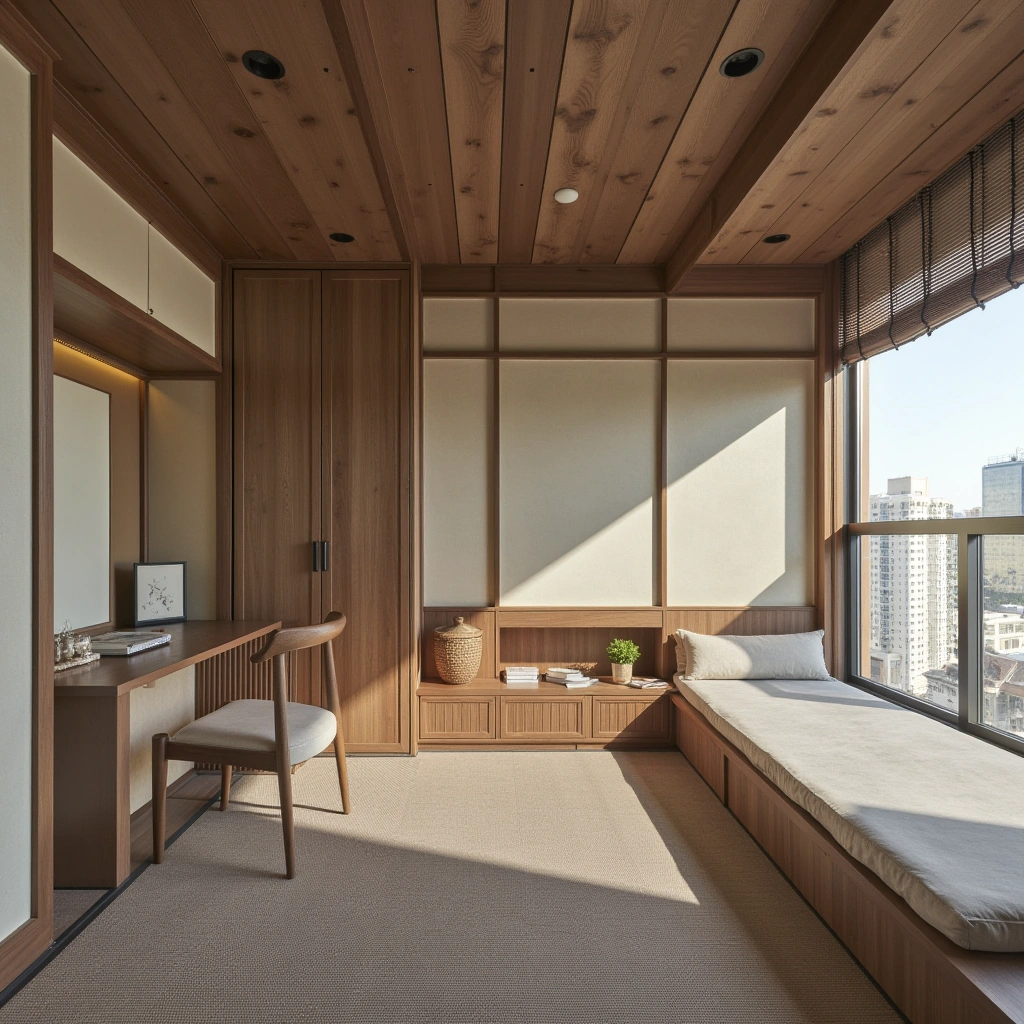
Clean lines are a defining feature of Japanese design. They create a sense of order and simplicity. Opt for furniture and decor with straight, uncluttered lines. Avoid overly ornate or intricate designs that can clutter the space visually.
Practical Tip: Choose furniture with simple, geometric shapes to maintain a minimalist aesthetic.
12. Create a Sense of Wabi-Sabi
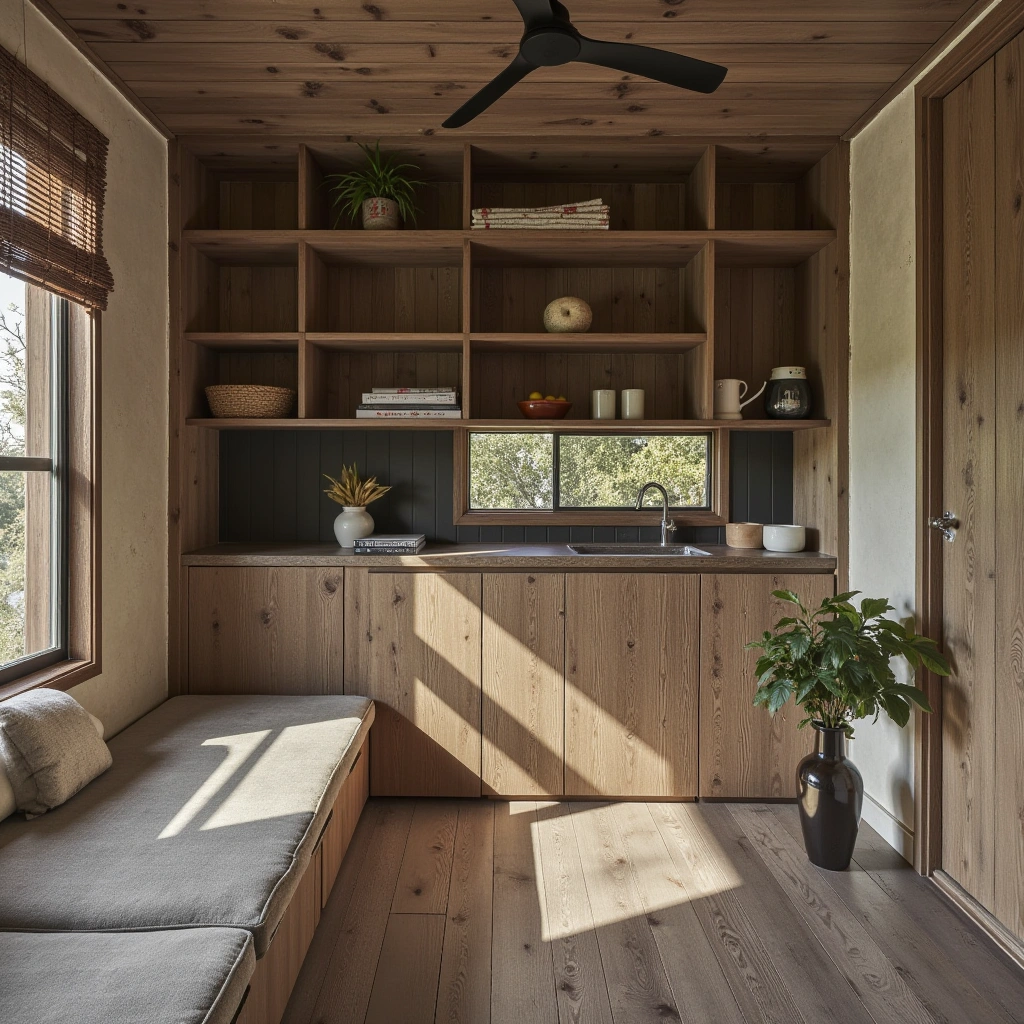
Wabi-sabi is a Japanese concept that embraces imperfection and the natural aging of materials. Incorporate elements that show signs of wear and tear, such as distressed wood or patinaed metal. These elements add character and depth to the space.
Practical Tip: Use reclaimed or vintage items that have a unique history and patina.
13. Use Lighting to Enhance Ambiance
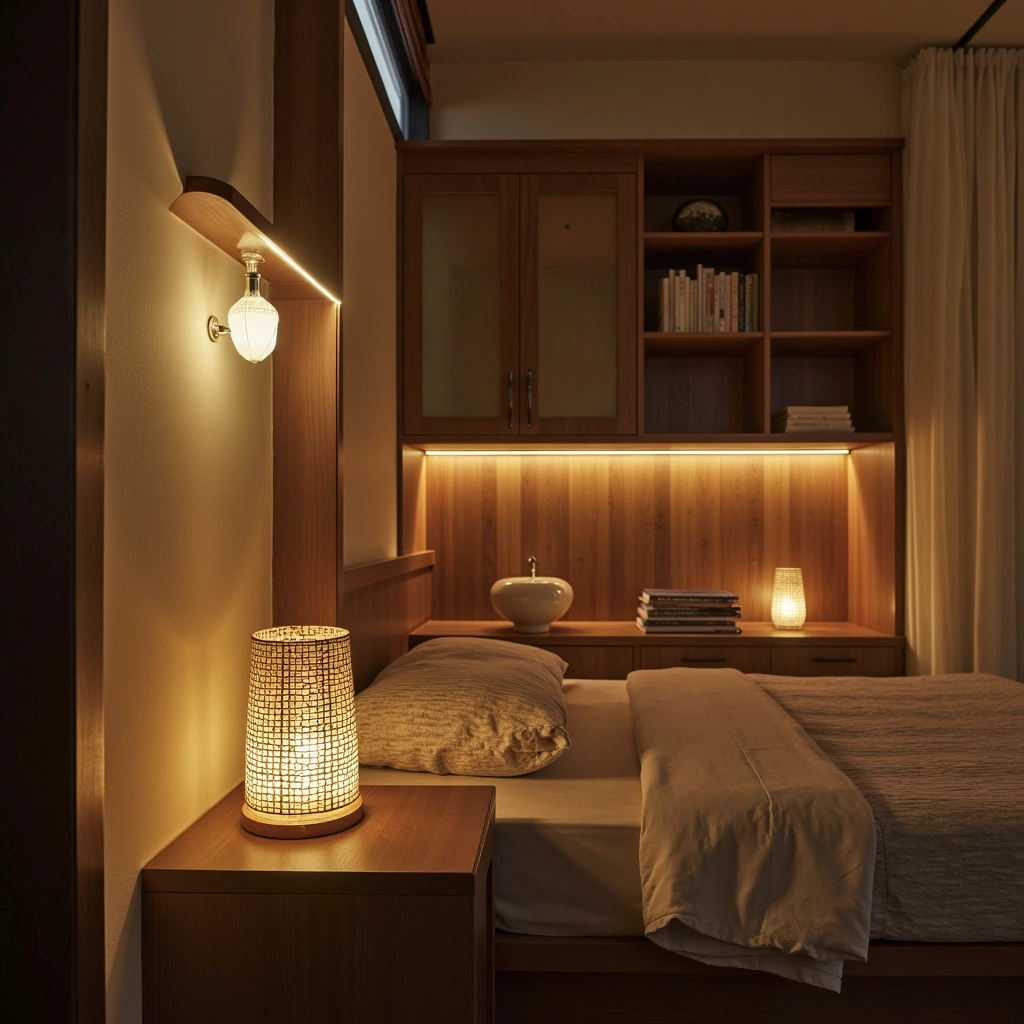
Lighting plays a crucial role in creating the right ambiance. Use soft, warm lighting to create a cozy and inviting atmosphere. Opt for paper lanterns, floor lamps, or wall sconces that provide gentle, diffused light. Avoid harsh, overhead lighting that can feel overwhelming in a small space.
Practical Tip: Use dimmer switches to control the intensity of light and create different moods.
14. Create a Connection to Nature
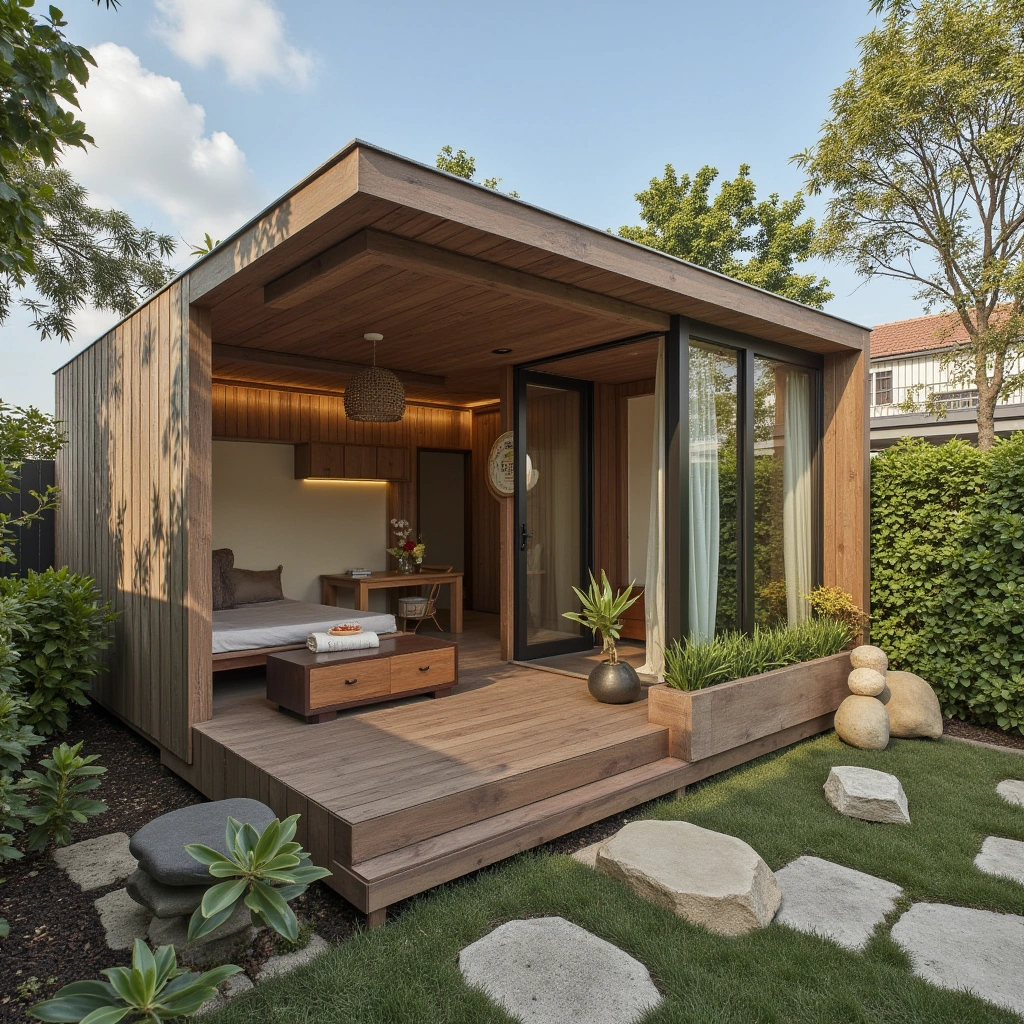
Japanese design emphasizes a connection to nature. Incorporate elements that bring the outdoors in, such as large windows, natural materials, and indoor plants. Create a seamless transition between indoor and outdoor spaces by using sliding doors or outdoor seating areas.
Practical Tip: Use natural fibers like linen, cotton, or jute for textiles to enhance the connection to nature.
Conclusion
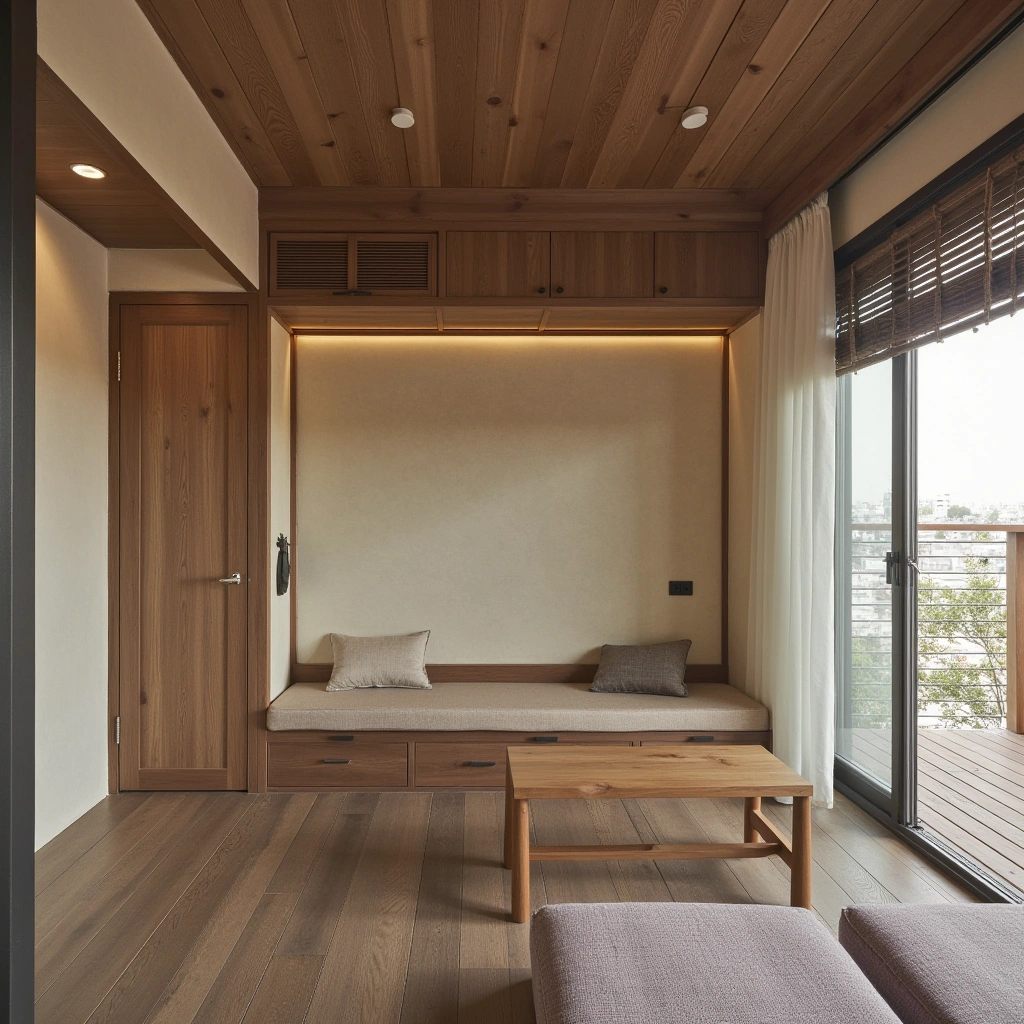
Japanese tiny house interior design ideas offer a blend of simplicity, functionality, and natural beauty. By embracing minimalism, incorporating natural materials, and creating multi-functional spaces, you can transform your tiny house into a serene and efficient living environment. Whether you’re drawn to the tranquility of a tatami room or the practicality of sliding doors, these design principles will help you create a space that is both beautiful and functional.
So, are you ready to embark on your Japanese tiny house design journey? Start by decluttering your space and incorporating natural materials to create a harmonious and balanced environment. Your tiny house will not only be a reflection of your personal style but also a testament to the timeless beauty of Japanese design. Embrace the art of Japanese tiny house interior design and create a space that is truly your own.
Remember, the key to successful Japanese tiny house interior design lies in simplicity, functionality, and a deep connection to nature. With these principles in mind, you can create a tiny house that is not only aesthetically pleasing but also a sanctuary of peace and tranquility.
14 Japanese Tiny House Interior Design Ideas.
