
Ever wondered how to transform your bedroom into a tranquil, nature-inspired sanctuary? Look no further. Today, I’ll guide you through 15 Japandi bedroom ideas that blend the best of Japanese and Scandinavian design to create a serene, harmonious space.
So, what is Japandi design? Japandi design combines the rustic, minimalistic Scandinavian style (also known as ‘Scandi’) with the traditional, elegant, and natural aspects of Japanese design. This hybrid style focuses on simplicity, functionality, and a deep connection to nature, resulting in calming bedroom spaces that prioritize comfort and relaxation.
Ready to explore these Japandi bedroom ideas? Let’s dive in and discover how you can incorporate natural elements, soothing color schemes, and functional furniture into your dreamy oasis.
Contents
- 1 What Makes Japandi Bedroom Design Special?
- 2 1. Embrace Minimalism
- 3 2. Incorporate Natural Wood
- 4 3. Opt for Neutral Color Schemes
- 5 4. Bring in Plants
- 6 5. Maximize Natural Light
- 7 6. Choose Simple Furniture Designs
- 8 7. Layer Textures
- 9 8. Declutter Regularly
- 10 9. Incorporate Minimalist Art and Decor
- 11 10. Embrace Wabi-Sabi
- 12 11. Keep the Floor Clear
- 13 12. Use Warm and Soft Lighting
- 14 13. Create a Capsule Wardrobe
- 15 14. Designate a Relaxation Area
- 16 15. Incorporate Calming Scents
- 17 Conclusion
What Makes Japandi Bedroom Design Special?
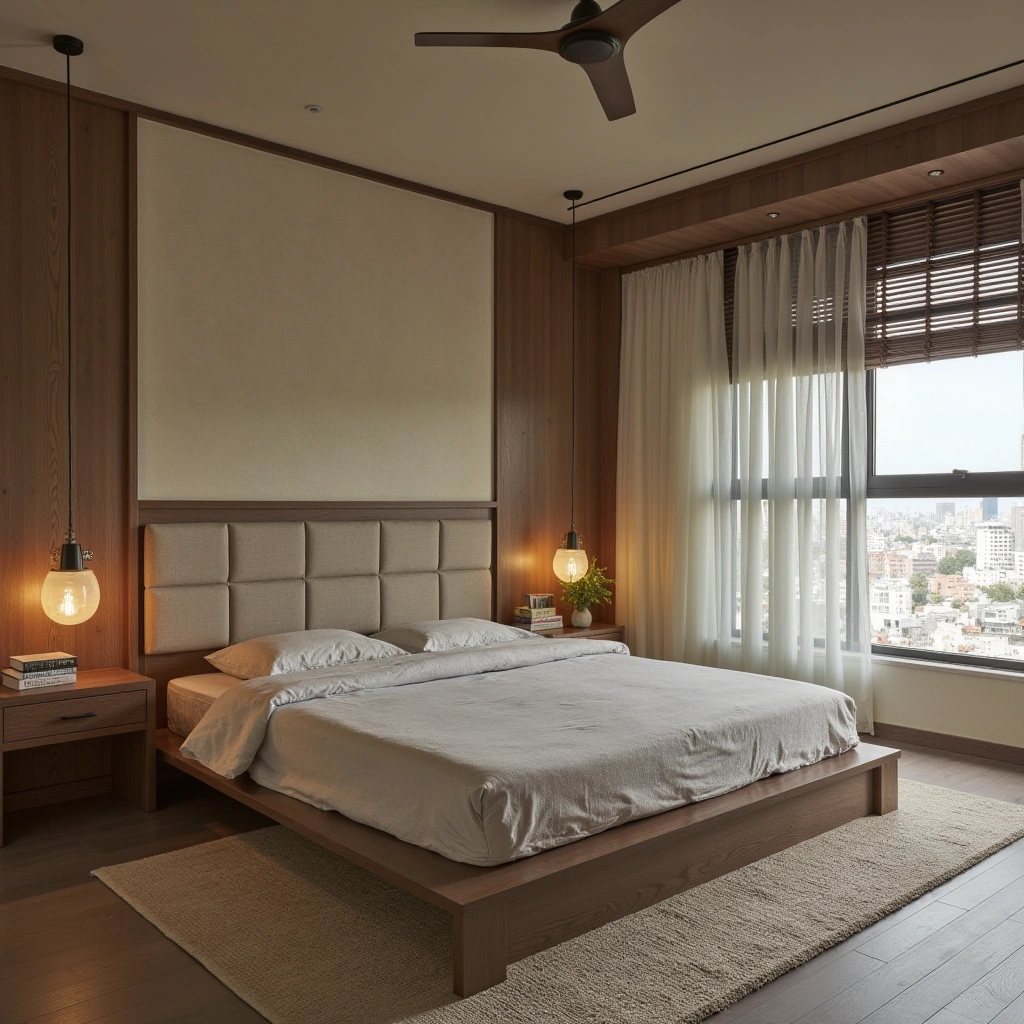
Japandi bedroom design is an intersection of two beautiful design philosophies that share a love for simplicity, natural materials, and functional spaces. By combining these elements, Japandi creates a unique blend of coziness and elegance, making your bedroom a true sanctuary.
1. Embrace Minimalism
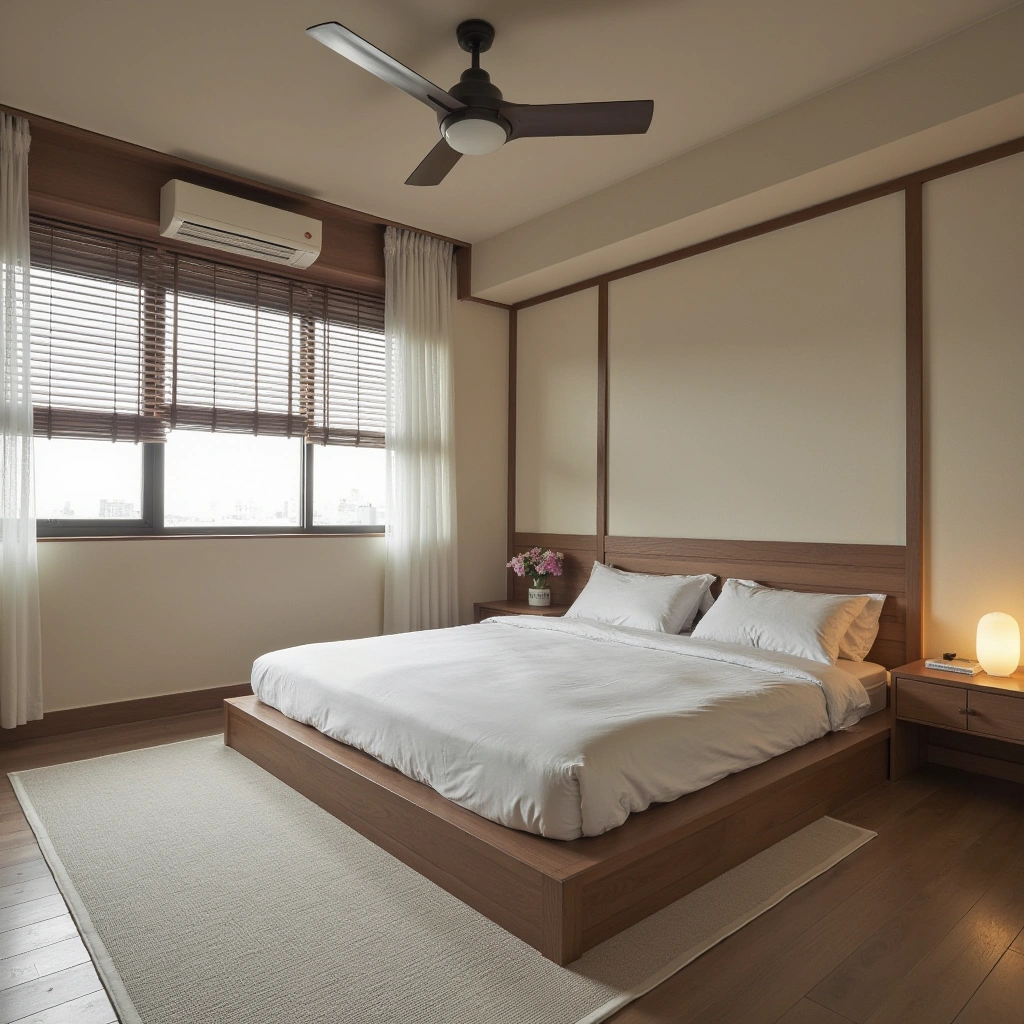
Let’s begin with the core principle of Japandi design: minimalism. Embracing minimalism doesn’t mean your bedroom should be stark or empty. Instead, focus on keeping only essential furniture pieces and decorative elements that serve a purpose or bring you joy.
Implementation Tips:
- Opt for a low-profile bed frame, preferably in a natural wood finish.
- Choose functional furniture like a platform bed with built-in storage.
- Declutter regularly to maintain a clean and serene atmosphere.
Suitability: This approach works well in both modern and traditional homes, as it emphasizes simplicity and functionality.
Moving on, let’s explore how to incorporate natural materials into your Japandi bedroom.
2. Incorporate Natural Wood
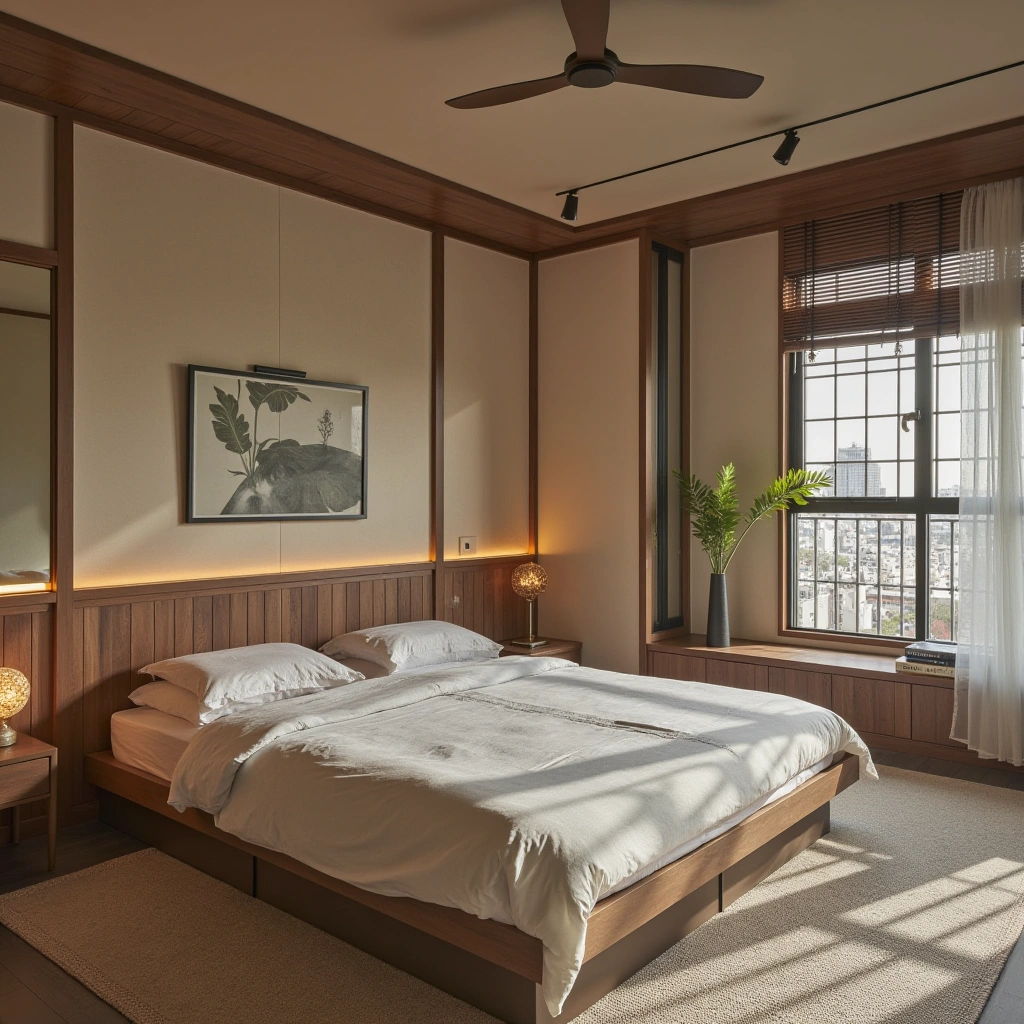
Natural wood is a staple in Japandi design, adding warmth and a connection to nature. From furniture to decorative accents, wood can be integrated in various ways to create a cohesive look.
Implementation Tips:
- Select furniture made from light-colored woods like oak, beech, or bamboo.
- Use wood for flooring, wall panels, or even ceiling beams to enhance the natural feel.
- Add wooden decorative elements like picture frames, trays, or sculptures.
Suitability: Natural wood complements both modern and rustic home styles, adding a touch of organic warmth.
Next, let’s dive into the world of color schemes that define Japandi design.
3. Opt for Neutral Color Schemes
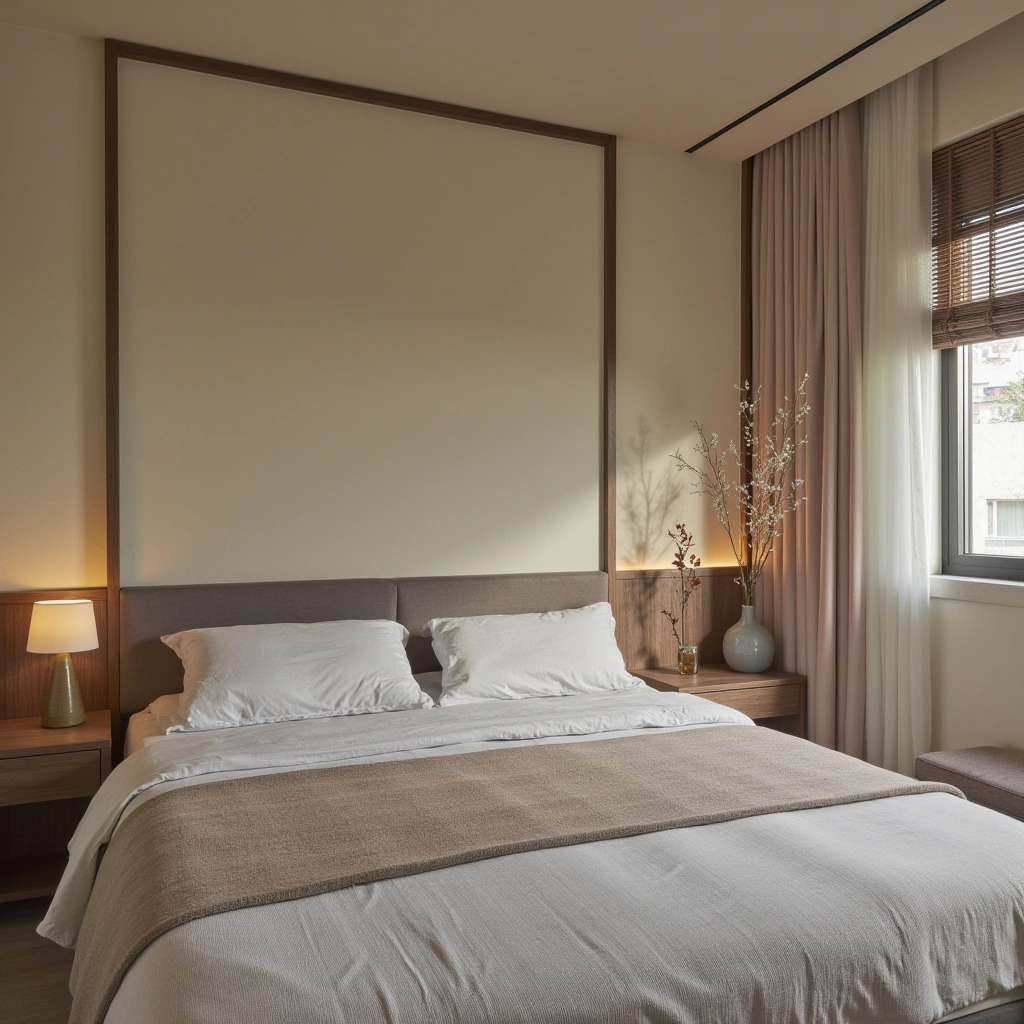
Neutral color schemes are essential in Japandi bedrooms, creating a calming and soothing environment. Think soft whites, beiges, and greys, with subtle pops of color inspired by nature.
Implementation Tips:
- Use a soft white or beige as the base color for walls and larger furniture pieces.
- Incorporate natural greens through plants and earthy tones like terracotta or muted blues.
- Add texture with fabrics like linen, wool, or jute in neutral shades.
Suitability: Neutral color schemes are versatile and work well in any home style, from contemporary to classic.
Now, let’s explore how to bring nature indoors with plants.
4. Bring in Plants
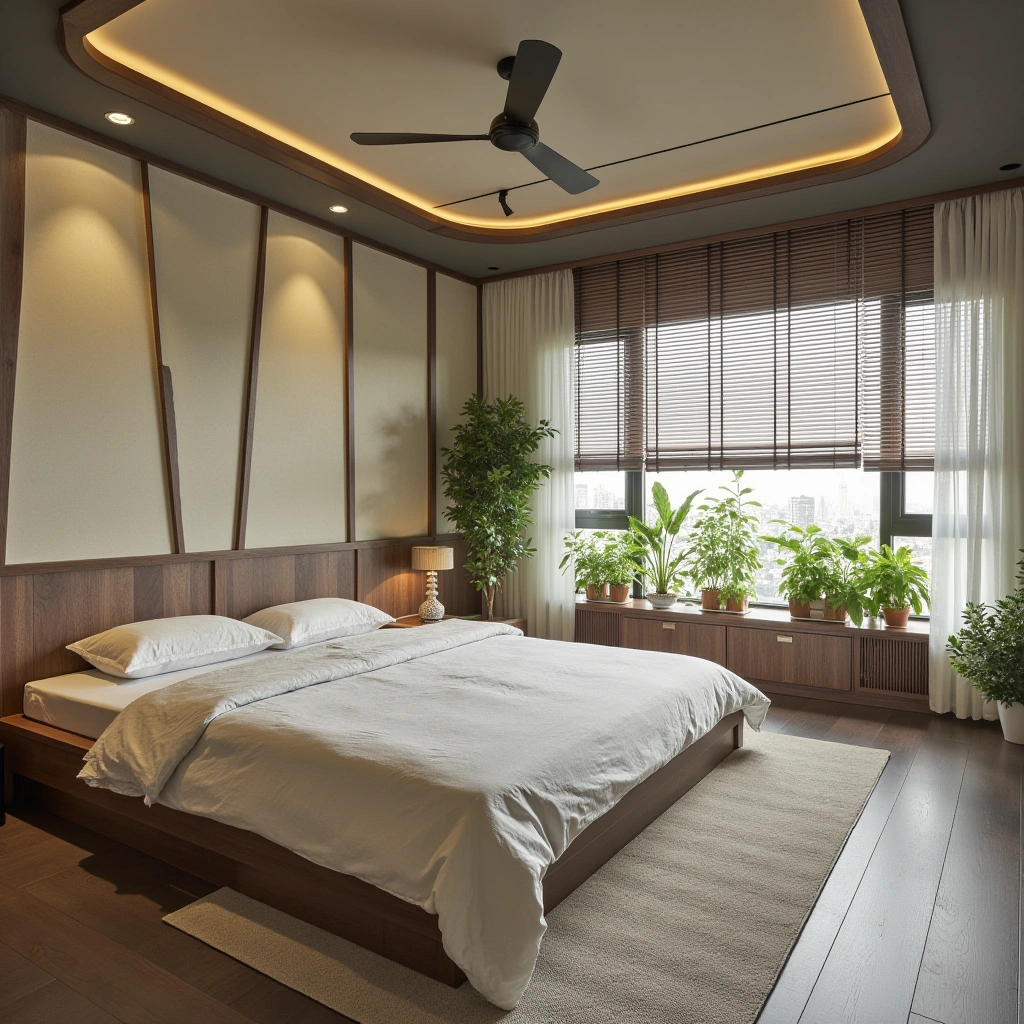
Plants are an integral part of Japandi design, bringing life and freshness to your bedroom. They not only add a touch of nature but also improve air quality and create a serene atmosphere.
Implementation Tips:
- Choose easy-to-care-for plants like snake plants, pothos, or spider plants.
- Place plants in various sizes and heights around the room for a balanced look.
- Use natural-material planters like terracotta, wood, or woven baskets.
Suitability: Plants can enhance any home style, adding a touch of nature and vitality.
Let’s move on to the importance of natural light in Japandi design.
5. Maximize Natural Light
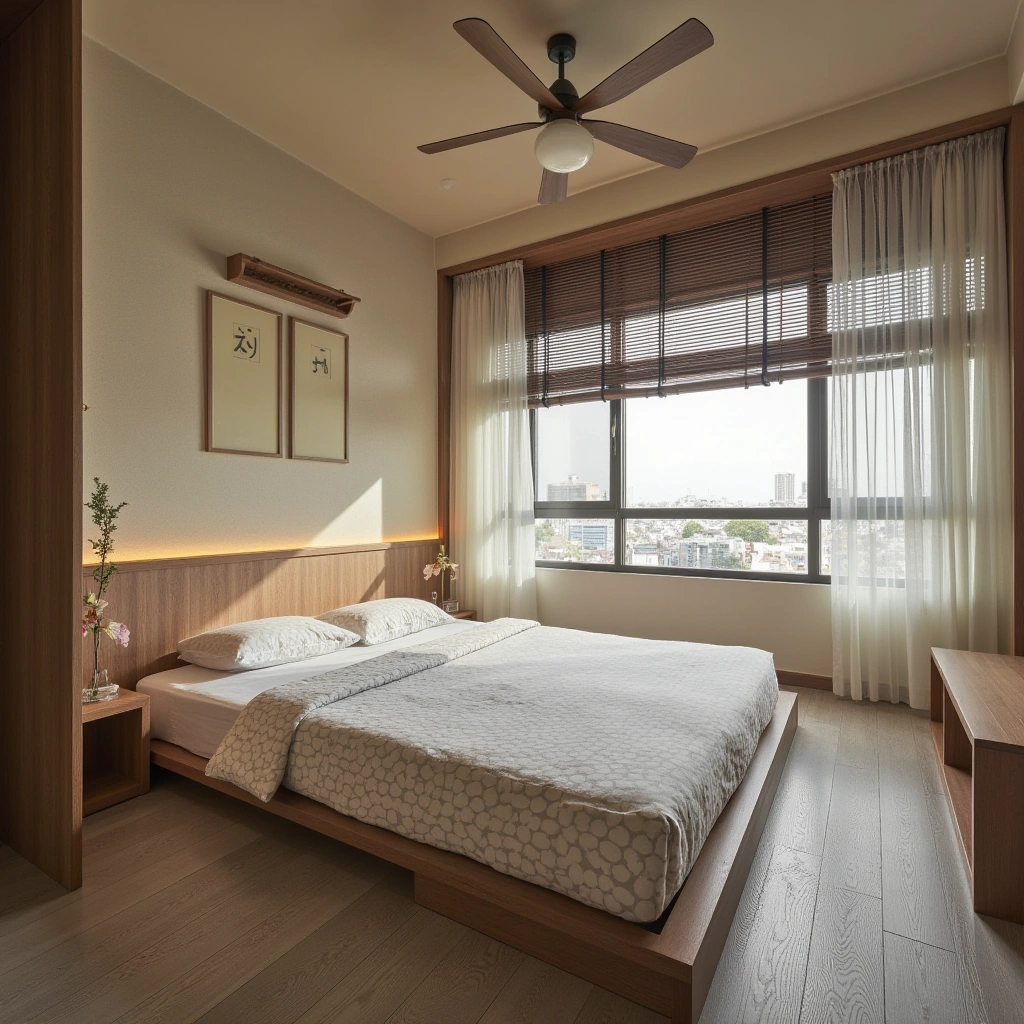
Natural light is crucial in Japandi bedrooms, creating a bright and airy space that feels connected to the outdoors. Maximizing natural light can make your bedroom feel more inviting and spacious.
Implementation Tips:
- Use sheer or light-colored curtains to allow maximum light filtration.
- Position your bed near a window to enjoy the morning sun.
- Incorporate mirrors to reflect light and create the illusion of a larger space.
Suitability: Natural light is beneficial in any home style, making spaces feel brighter and more welcoming.
Next, let’s discuss the role of simplicity in furniture design.
6. Choose Simple Furniture Designs
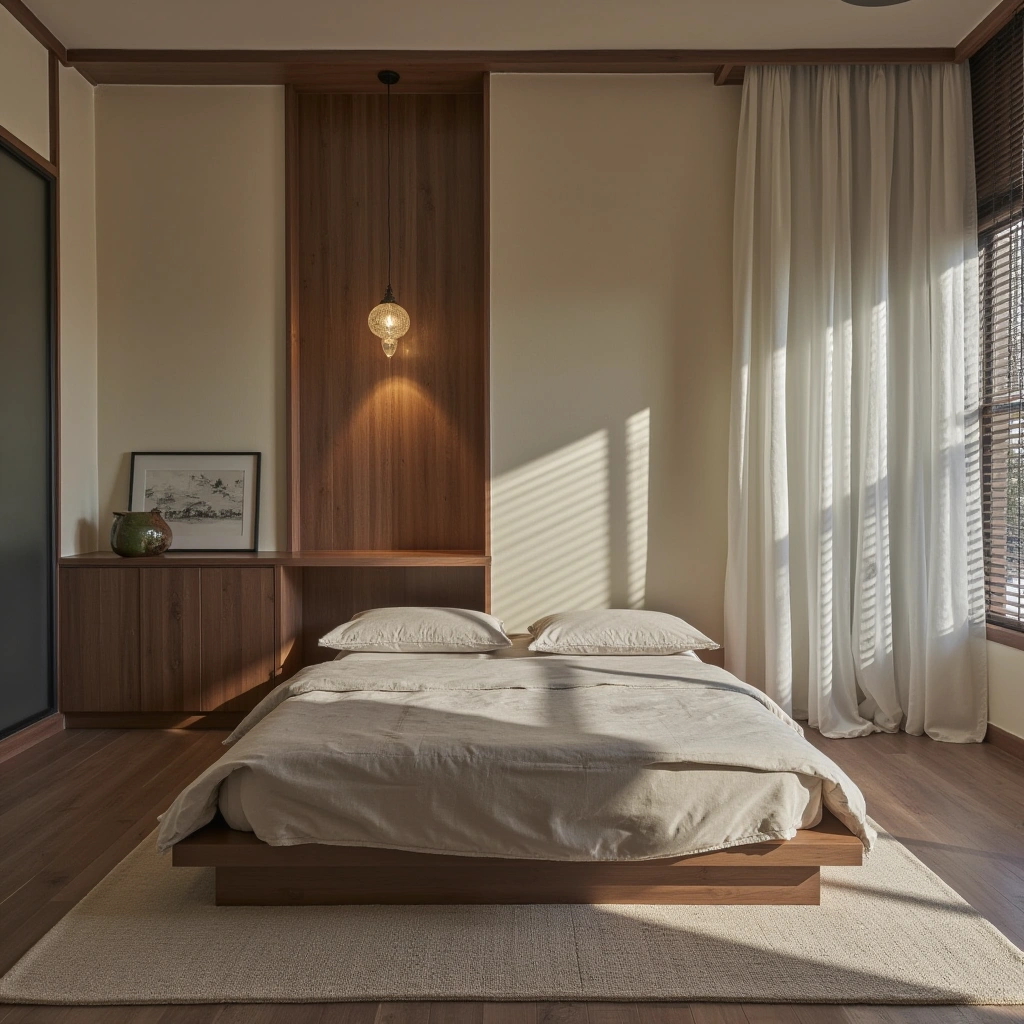
Simple furniture designs are a hallmark of Japandi style, focusing on clean lines and functional forms. Opt for pieces that are unadorned yet elegant, prioritizing quality and craftsmanship.
Implementation Tips:
- Select a bed frame with a simple, low-profile design.
- Choose nightstands with clean lines and functional storage.
- Opt for a dresser or wardrobe with a minimalist design and natural wood finish.
Suitability: Simple furniture designs complement both modern and traditional home styles, adding a touch of elegance and functionality.
Now, let’s explore the art of layering textures.
7. Layer Textures
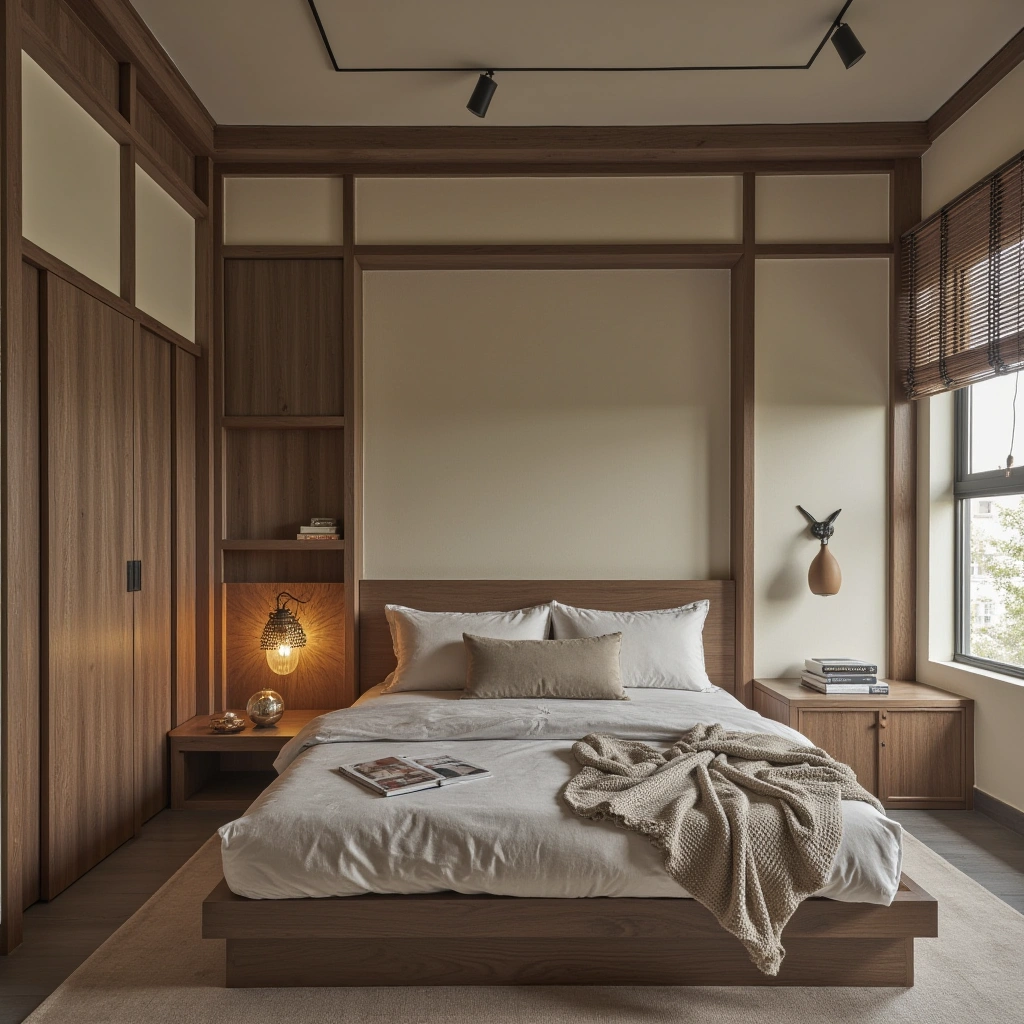
Layering textures adds depth and warmth to your Japandi bedroom, creating a cozy and inviting atmosphere. From fabrics to decorative accents, incorporating various textures can make your space feel more dynamic and interesting.
Implementation Tips:
- Use a mix of fabrics like linen, wool, and cotton for bedding and throw pillows.
- Add a natural fiber rug, such as jute or sisal, for warmth and texture.
- Incorporate woven baskets, macrame wall hangings, or textured ceramics.
Suitability: Layering textures works well in any home style, adding a touch of coziness and visual interest.
Let’s move on to the importance of decluttering.
8. Declutter Regularly
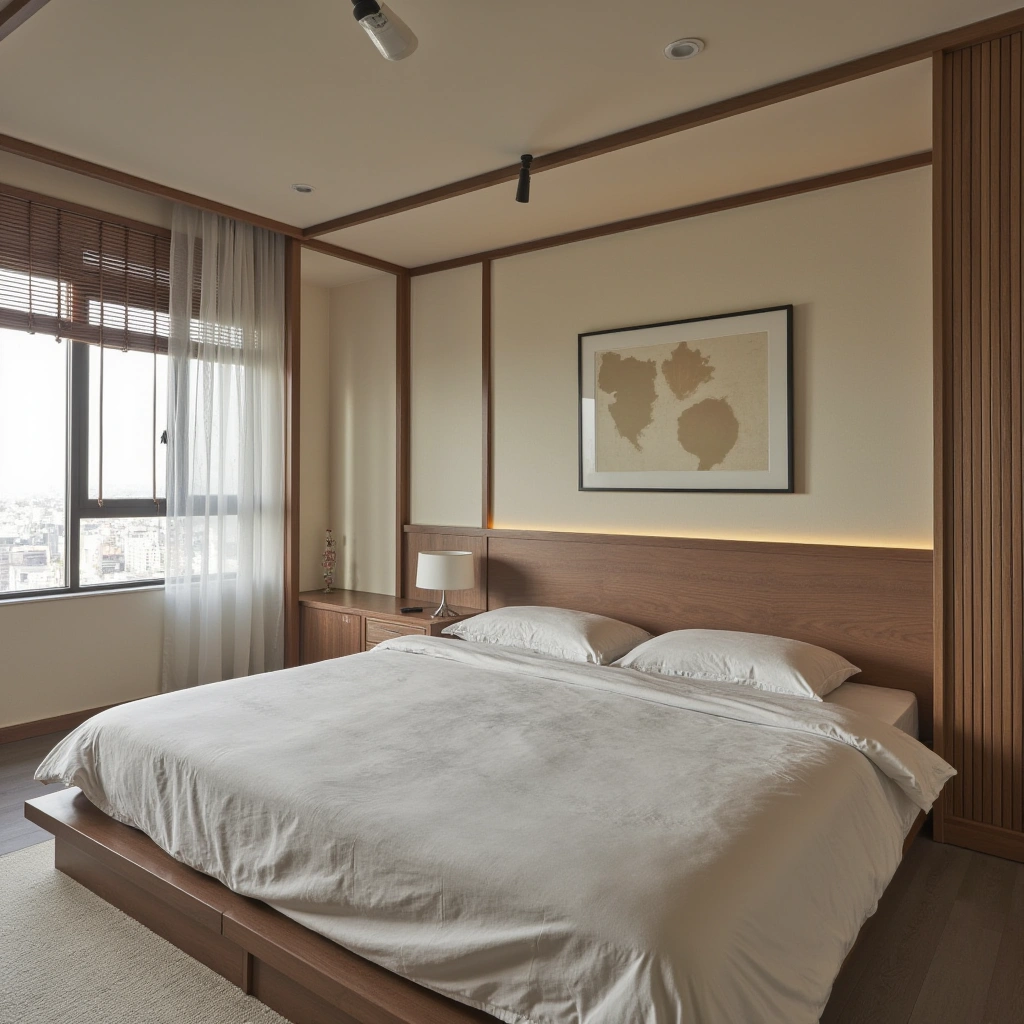
Decluttering is essential in Japandi design, helping to maintain a clean and serene environment. Regularly removing unnecessary items can make your bedroom feel more spacious and calming.
Implementation Tips:
- Keep surfaces clear of clutter by using storage solutions like baskets, trays, or boxes.
- Regularly sort through your belongings and donate or discard items you no longer need.
- Create designated spaces for everyday items to keep them organized and easily accessible.
Suitability: Decluttering is beneficial in any home style, promoting a clean and organized living space.
Next, let’s discuss the role of art and decor.
9. Incorporate Minimalist Art and Decor
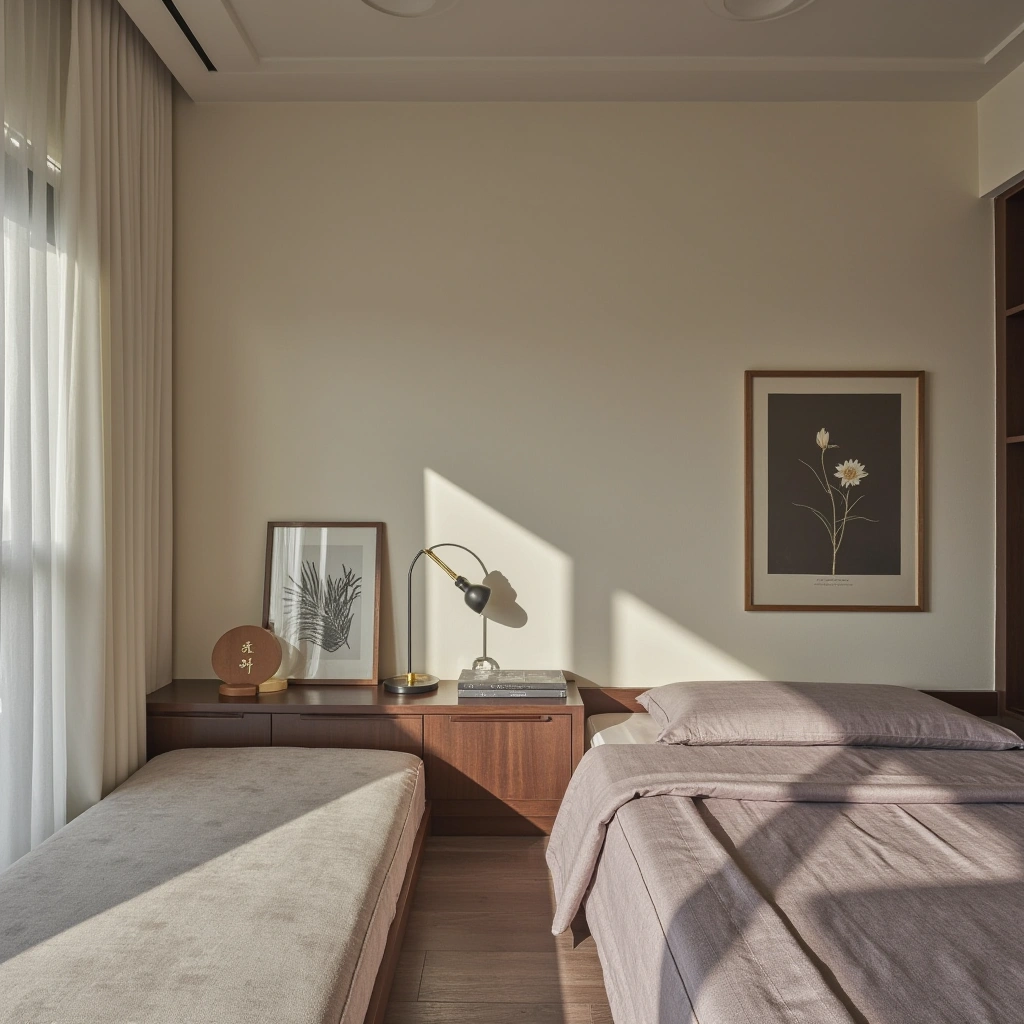
Minimalist art and decor add a personal touch to your Japandi bedroom without overwhelming the space. Opt for simple, elegant pieces that complement the overall design.
Implementation Tips:
- Choose art prints with nature-inspired themes or abstract designs.
- Incorporate decorative elements like vases, trays, or sculptures in natural materials.
- Use a neutral color palette for art and decor to maintain a cohesive look.
Suitability: Minimalist art and decor complement both modern and traditional home styles, adding a touch of elegance and personalization.
Now, let’s explore the concept of Wabi-Sabi.
10. Embrace Wabi-Sabi
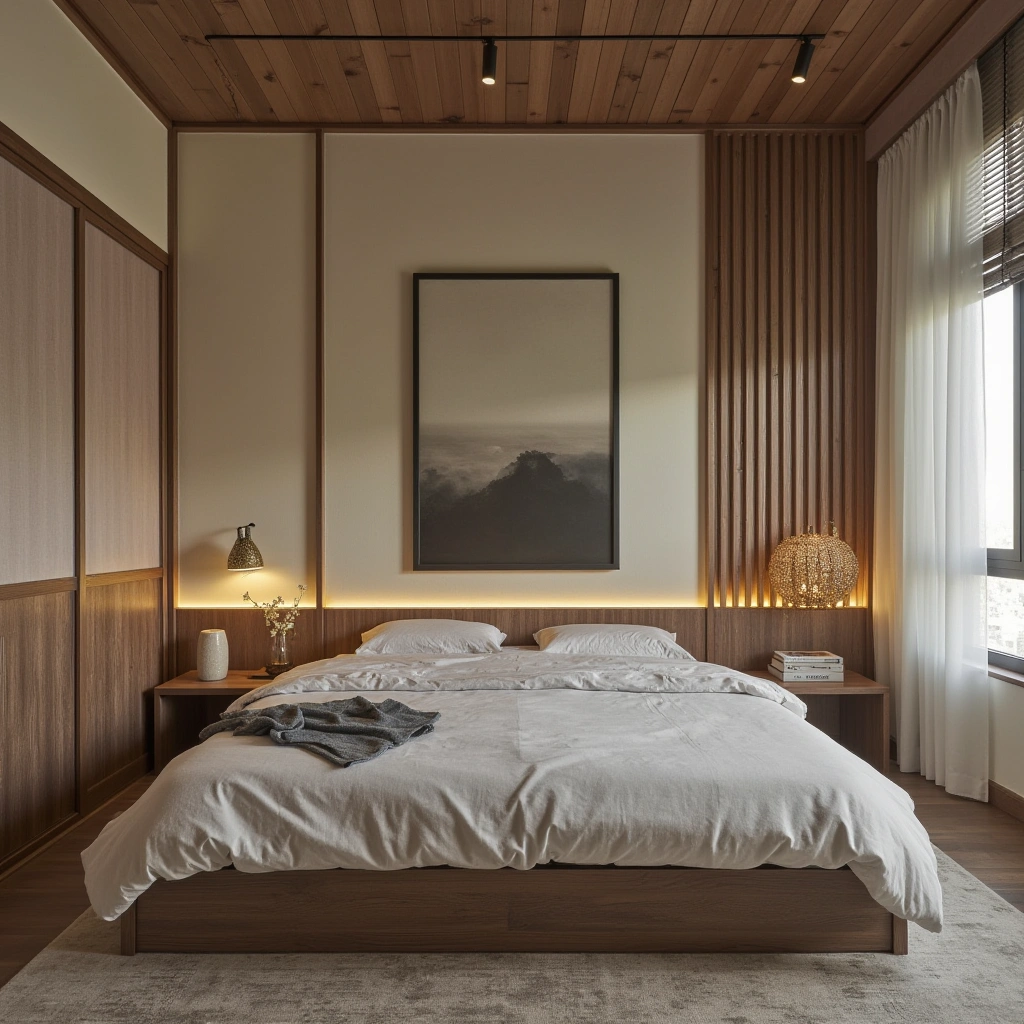
Wabi-Sabi is a Japanese philosophy that celebrates the beauty of imperfection and impermanence. Embracing Wabi-Sabi in your Japandi bedroom can create a space that feels authentic and lived-in.
Implementation Tips:
- Choose handmade or artisanal pieces with natural imperfections.
- Incorporate vintage or antique items that show signs of wear and tear.
- Use natural materials that age gracefully, like unfinished wood or patinaed metal.
Suitability: Wabi-Sabi can enhance any home style, adding a touch of authenticity and character.
Let’s move on to the importance of a clutter-free floor.
11. Keep the Floor Clear
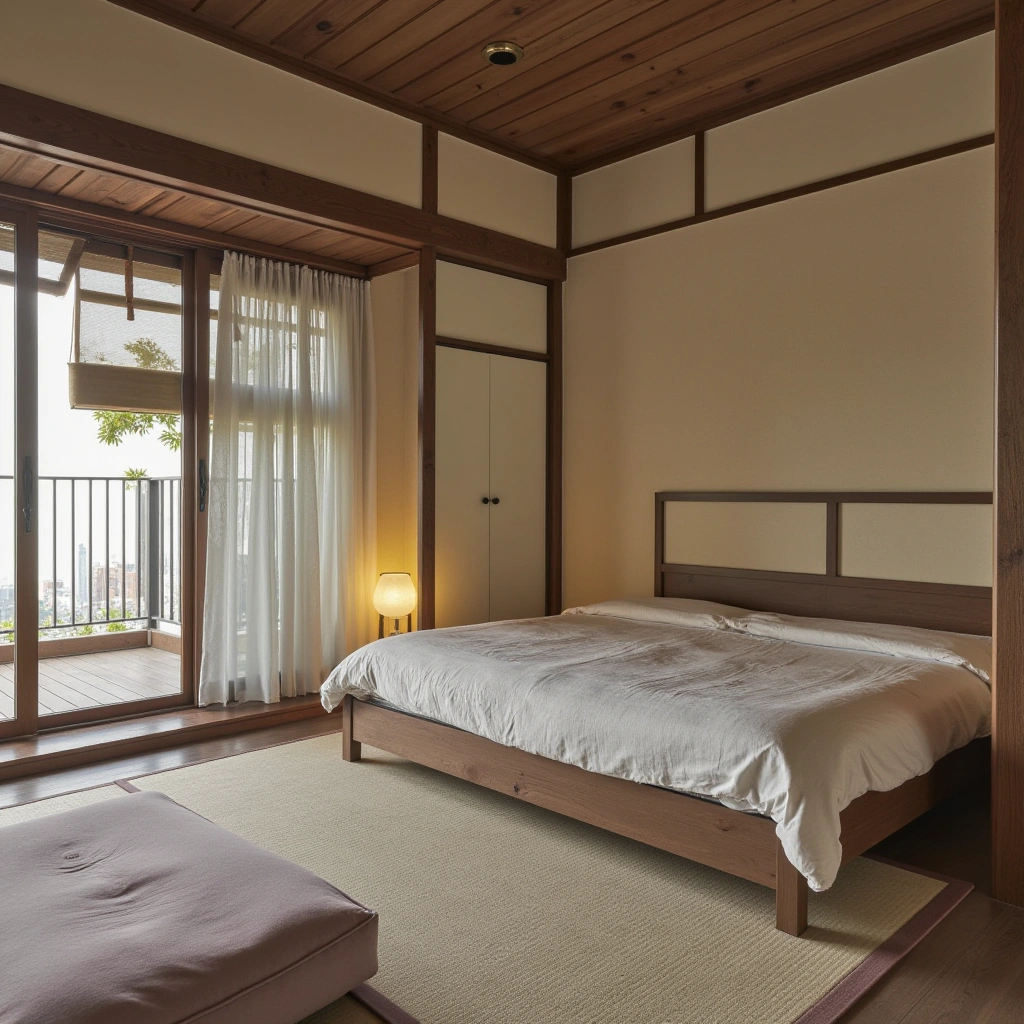
A clutter-free floor is essential in Japandi design, creating a sense of spaciousness and tranquility. Keeping the floor clear allows the eye to rest and promotes a calm environment.
Implementation Tips:
- Use wall-mounted or floating shelves to keep items off the floor.
- Opt for furniture with legs to create a sense of openness.
- Regularly tidy up and put away items that accumulate on the floor.
Suitability: A clutter-free floor is beneficial in any home style, promoting a clean and organized living space.
Next, let’s discuss the role of cozy lighting.
12. Use Warm and Soft Lighting
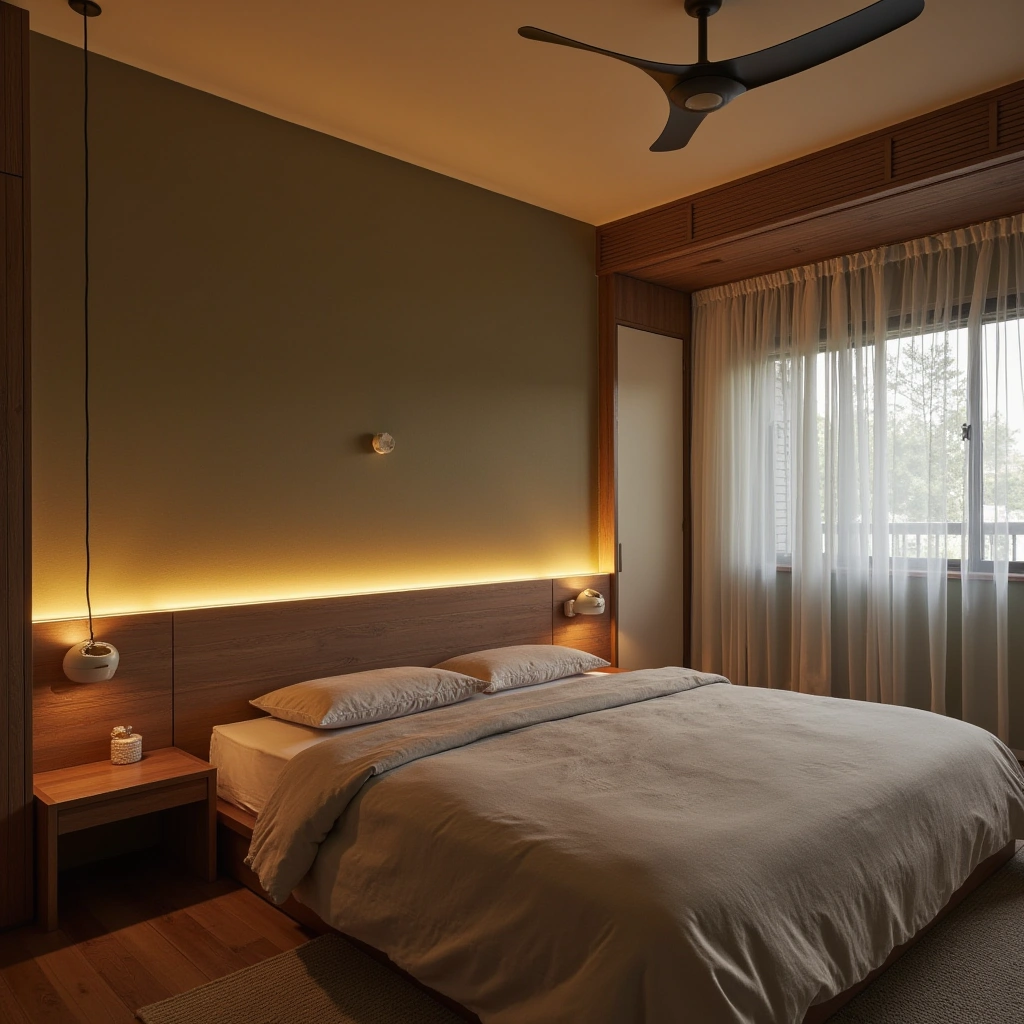
Warm and soft lighting creates a cozy and inviting atmosphere in your Japandi bedroom. Opt for lighting solutions that enhance the overall design and promote relaxation.
Implementation Tips:
- Use table lamps or floor lamps with warm-toned bulbs for a soft glow.
- Incorporate string lights or fairy lights for a magical touch.
- Choose pendant lights or wall sconces with a simple, elegant design.
Suitability: Warm and soft lighting complements both modern and traditional home styles, adding a touch of coziness and ambiance.
Now, let’s explore the concept of a capsule wardrobe.
13. Create a Capsule Wardrobe
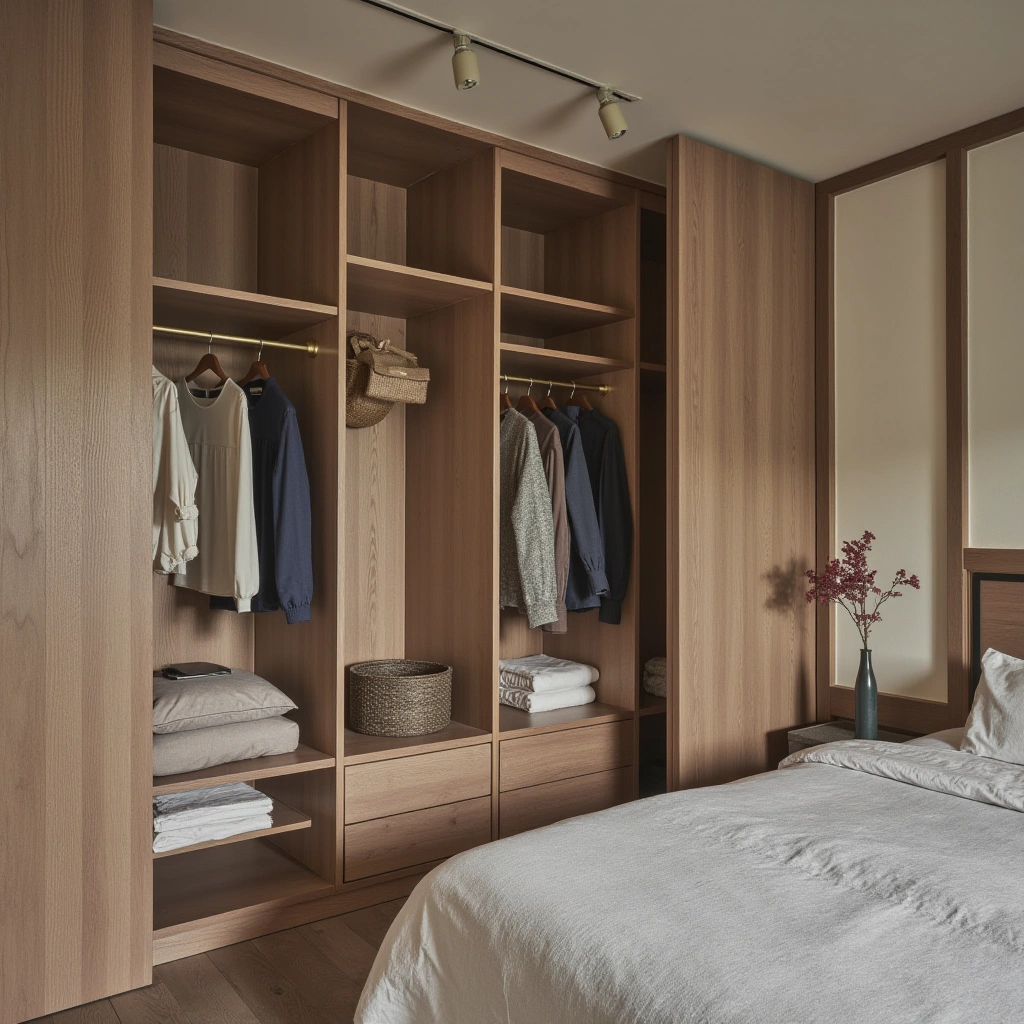
A capsule wardrobe is a curated collection of essential clothing items that can be easily mixed and matched. Creating a capsule wardrobe can help maintain a clutter-free and organized Japandi bedroom.
Implementation Tips:
- Choose versatile, high-quality pieces that can be worn in multiple ways.
- Opt for a neutral color palette that complements the overall design.
- Regularly review and update your capsule wardrobe to keep it fresh and functional.
Suitability: A capsule wardrobe is beneficial in any home style, promoting a clean and organized living space.
Let’s move on to the importance of a designated relaxation area.
14. Designate a Relaxation Area
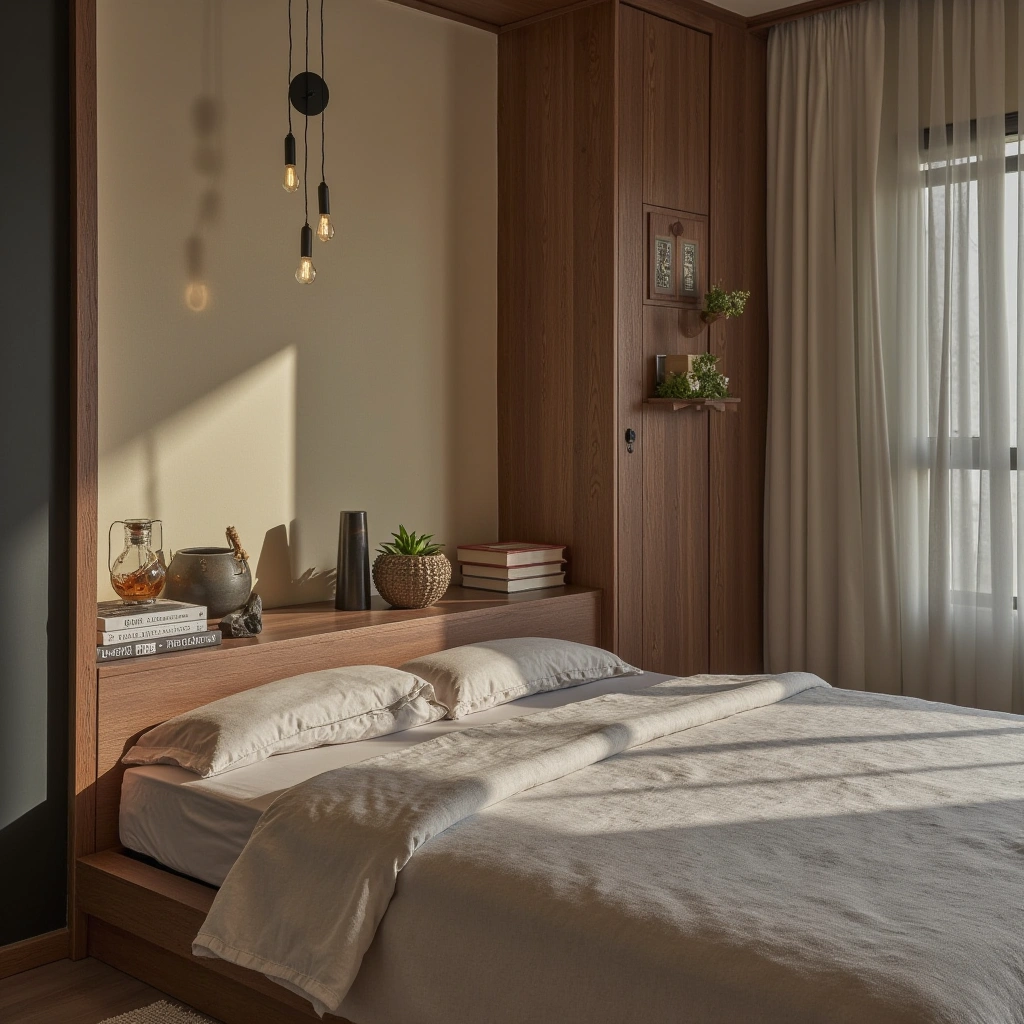
A designated relaxation area in your Japandi bedroom provides a space for unwinding and recharging. Creating a cozy nook for reading, meditation, or simply enjoying a cup of tea can enhance your overall well-being.
Implementation Tips:
- Choose a comfortable chair or floor cushions for seating.
- Add a small table or side table for holding books, tea, or decorative items.
- Incorporate soft lighting and cozy textiles to create a inviting atmosphere.
Suitability: A designated relaxation area complements both modern and traditional home styles, adding a touch of tranquility and personalization.
Finally, let’s discuss the role of scent in creating a calming environment.
15. Incorporate Calming Scents
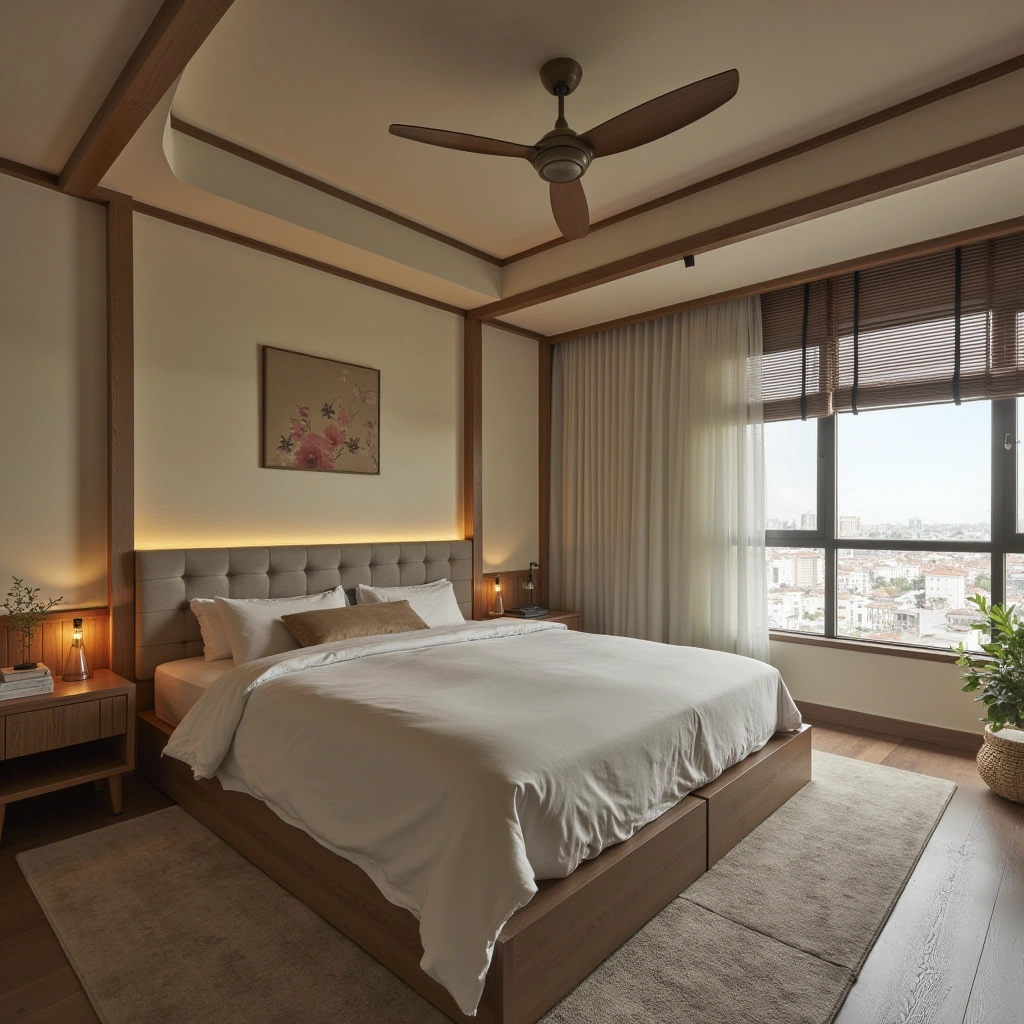
Calming scents can enhance the overall atmosphere of your Japandi bedroom, promoting relaxation and well-being. Opt for natural fragrances that complement the design and create a serene environment.
Implementation Tips:
- Use essential oil diffusers with scents like lavender, eucalyptus, or sandalwood.
- Incorporate scented candles with natural fragrances and simple, elegant designs.
- Add fresh flowers or herbs for a natural and fragrant touch.
Suitability: Calming scents complement both modern and traditional home styles, adding a touch of tranquility and sensory appeal.
Conclusion
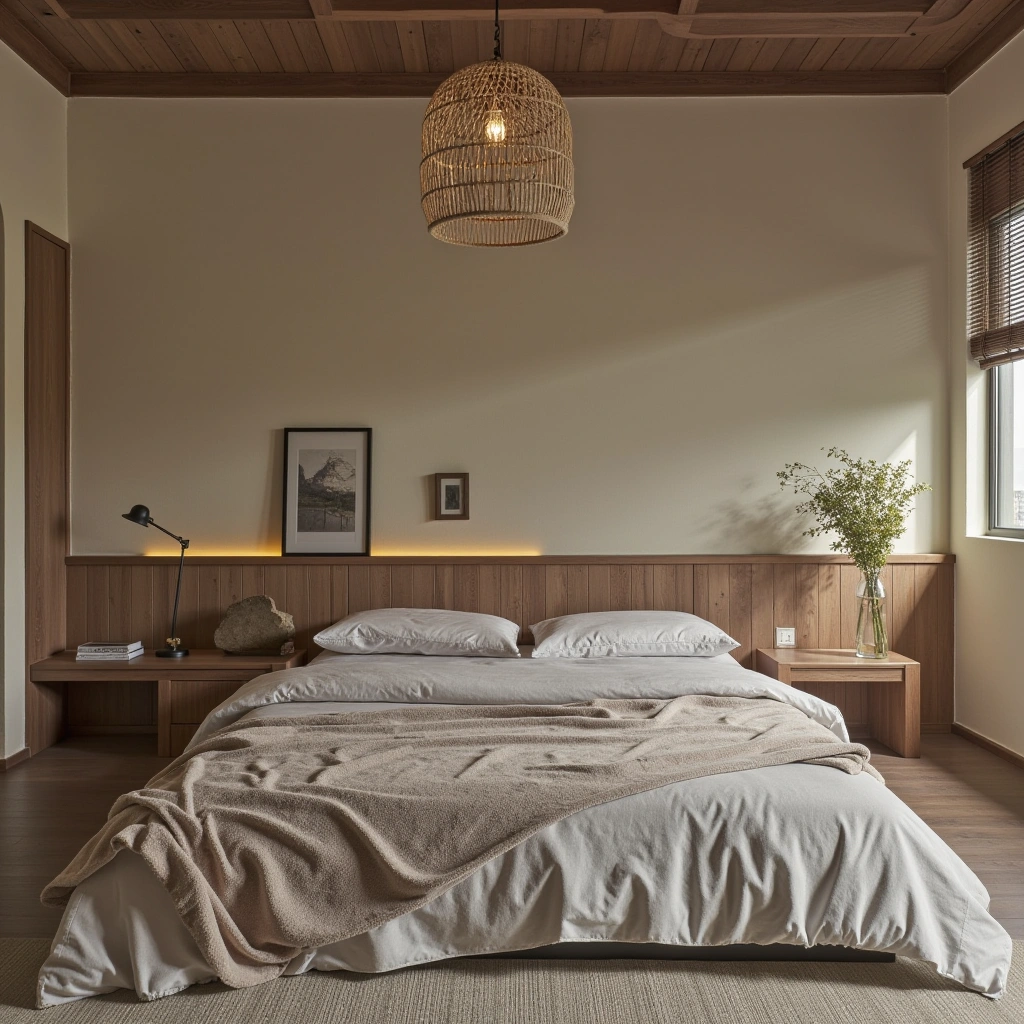
Transforming your bedroom into a nature-inspired Japandi sanctuary is a journey of simplicity, functionality, and connection to nature. By embracing minimalism, incorporating natural materials, and focusing on a neutral color palette, you can create a serene and harmonious space that promotes relaxation and well-being.
So, are you ready to bring the beauty of Japandi design into your bedroom? With these 15 nature-inspired Japandi bedroom ideas, you’re well on your way to creating a tranquil oasis that reflects your unique style and celebrates the beauty of nature. Happy decorating! 15 nature-inspired Japandi bedroom ideas.
