
Ever wondered how to make the most of your tiny house living room while keeping a vintage touch? You’re in the right place! We’ve gathered the best ideas to help you create a charming, functional space that reflects your unique style.
So, how can you create a vintage tiny house living room? Start by incorporating classic elements like antique furniture, retro color schemes, and timeless decorative pieces. Focus on maximizing space and functionality with clever storage solutions and multi-purpose furniture. By blending old and new, you can create a cozy, inviting atmosphere that suits both modern and traditional home styles.
Ready to dive in? Let’s explore 13 vintage tiny house living room ideas that will inspire you to create a beautiful, efficient space that you’ll absolutely love!
Contents
- 1 Embrace the Charm of Antique Furniture
- 2 Warm Up with Retro Color Schemes
- 3 Maximize Space with Clever Storage Solutions
- 4 Enhance with Vintage-Inspired Lighting
- 5 Add Warmth with Vintage Textiles
- 6 Incorporate Natural Elements for a Rustic Touch
- 7 Personalize with Vintage-Inspired Artwork
- 8 Create the Illusion of Space with Mirrors
- 9 Add Visual Interest with Decorative Accents
- 10 Enhance with Vintage-Inspired Architectural Details
- 11 Define Your Space with Vintage Area Rugs
- 12 Add Style with Vintage Window Treatments
- 13 Maximize Functionality with Multipurpose Furniture
- 14 Conclusion
Embrace the Charm of Antique Furniture
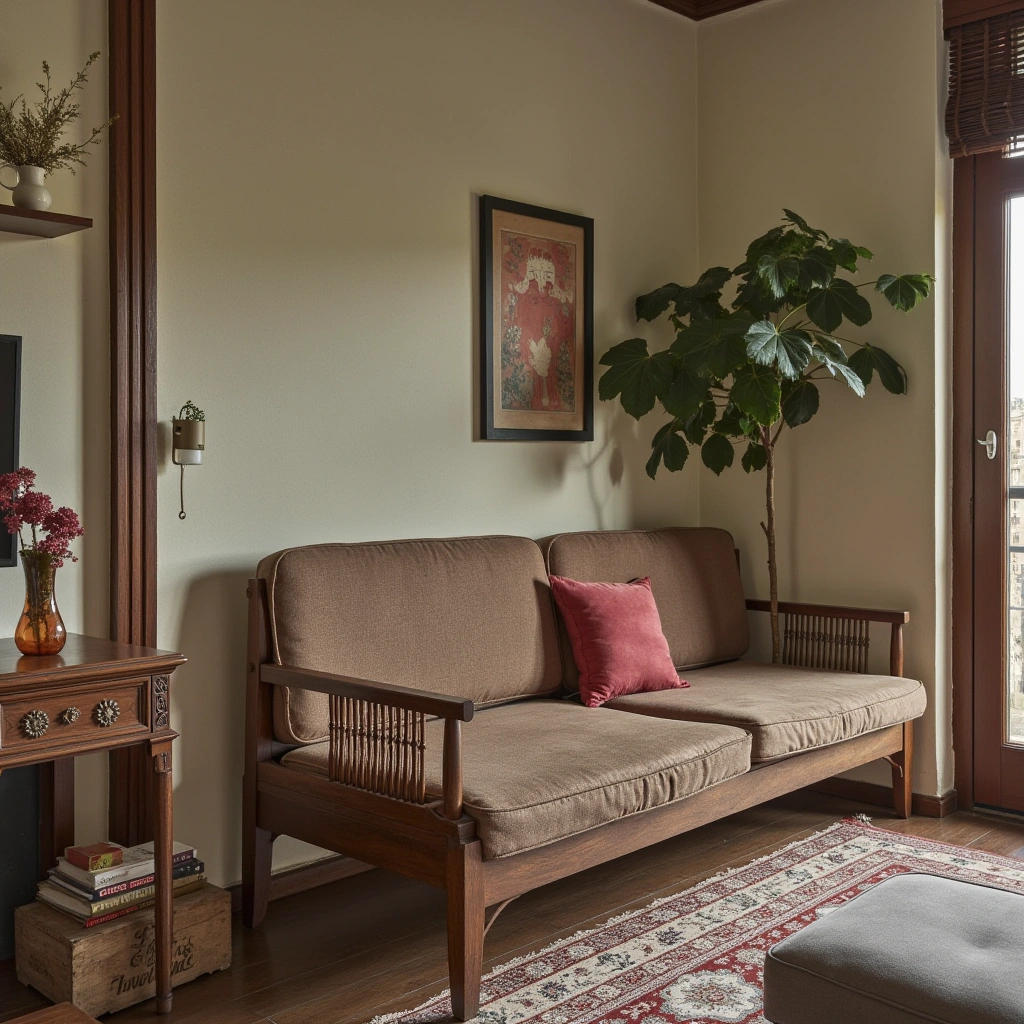
One of the best ways to bring vintage charm to your tiny house living room is by incorporating antique furniture. Pieces from the past often have intricate details and a unique patina that add warmth and character to your space. Opt for a vintage sofa or armchair as the focal point, and complement it with a antique coffee table or sideboard.
Implementation Tips:
- Choose furniture with a story: Pieces with a history can add a personal touch to your living room.
- Mix and match: Don’t be afraid to combine furniture from different eras for an eclectic look.
- Consider scale: In a tiny house, it’s essential to select furniture that fits the space without overwhelming it.
To make the most of your antique furniture, consider using a vintage rug to anchor the seating area. This can help define the space and add a cozy touch. Transitioning to the next idea, let’s explore how to use color to enhance your vintage living room.
Warm Up with Retro Color Schemes
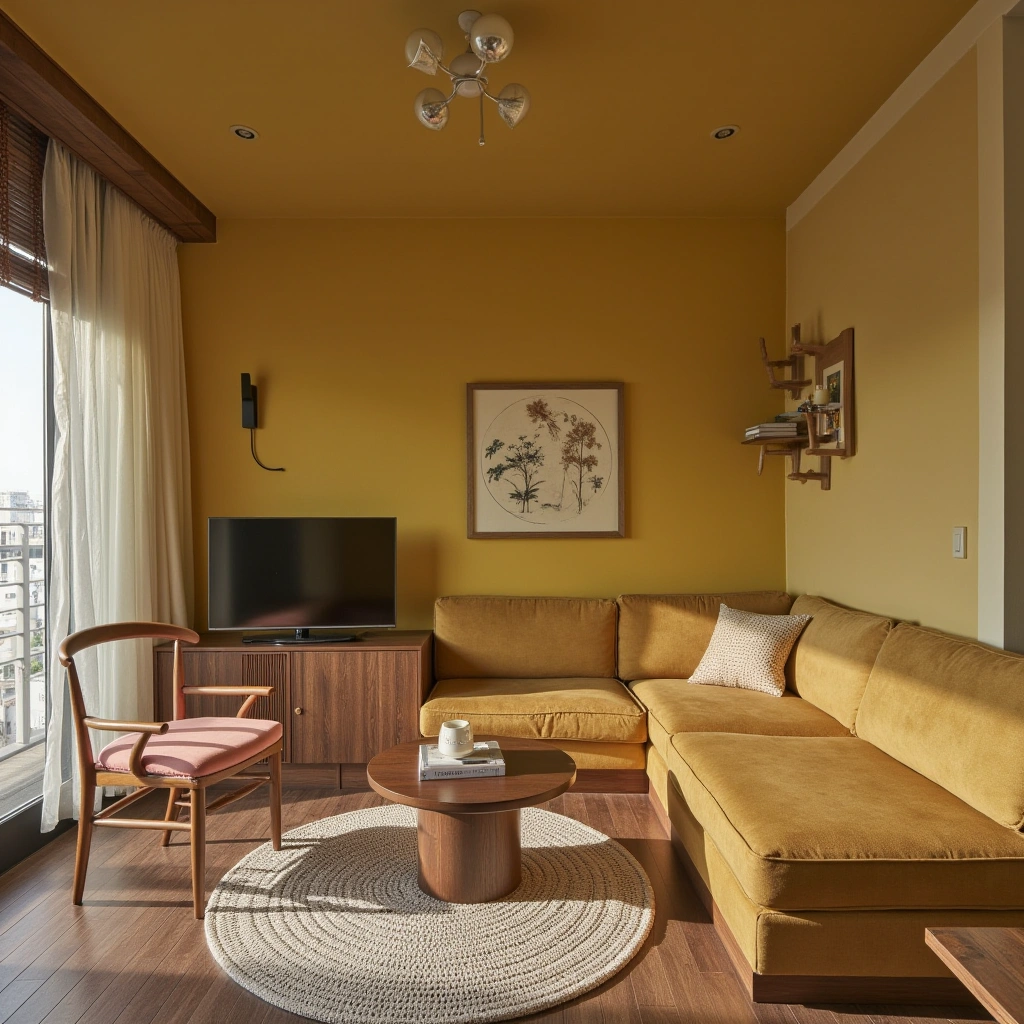
Color plays a crucial role in setting the mood for your vintage tiny house living room. Opt for retro-inspired color schemes that evoke nostalgia and create a welcoming atmosphere. Think mustard yellows, avocado greens, and burnt oranges for a 1970s vibe, or soft pastels for a more delicate, vintage feel.
Implementation Tips:
- Accent wall: Paint one wall in a bold, retro color to create a striking focal point.
- Color-coordinated accessories: Use decorative items like throw pillows, curtains, and artwork to reinforce your color scheme.
- Balance with neutrals: To keep the space from feeling overwhelming, balance retro colors with neutral hues like white, beige, or gray.
By incorporating retro color schemes, you can create a living room that feels both nostalgic and fresh. Next, let’s discuss how to maximize space with clever storage solutions.
Maximize Space with Clever Storage Solutions
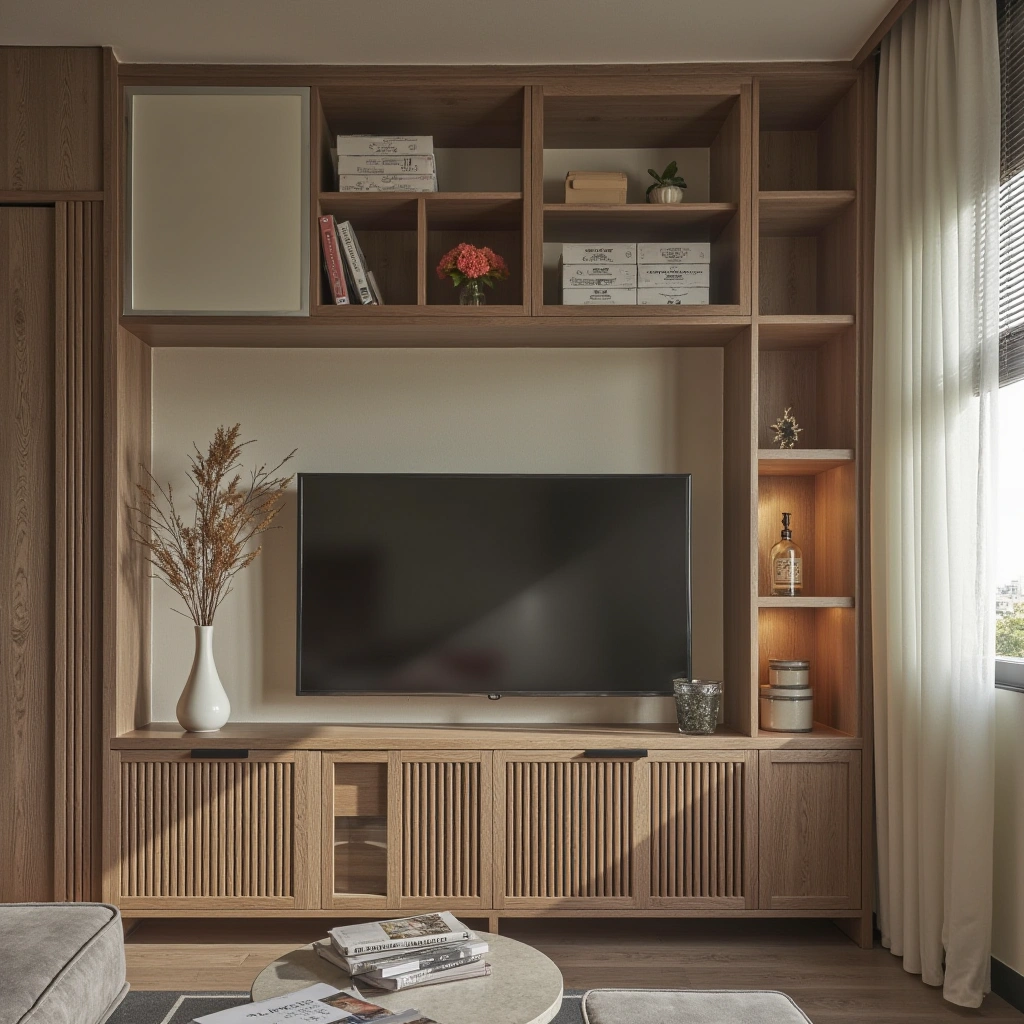
In a tiny house, every inch of space counts. To keep your vintage living room organized and clutter-free, implement clever storage solutions that blend seamlessly with your decor. Consider using vintage-inspired storage pieces like antique trunks, wicker baskets, or repurposed crates to create a cohesive look.
Implementation Tips:
- Multi-functional furniture: Opt for pieces that serve dual purposes, such as a coffee table with built-in storage or a sofa bed for overnight guests.
- Wall-mounted shelving: Make use of vertical space by installing open shelves or cabinets on the walls.
- Hidden storage: Incorporate hidden storage solutions, like a built-in bench with lift-up seating or a hollow ottoman, to keep clutter out of sight.
By maximizing space with clever storage solutions, you can create a functional and stylish vintage living room that meets your needs. Now, let’s explore how to use lighting to enhance your space.
Enhance with Vintage-Inspired Lighting
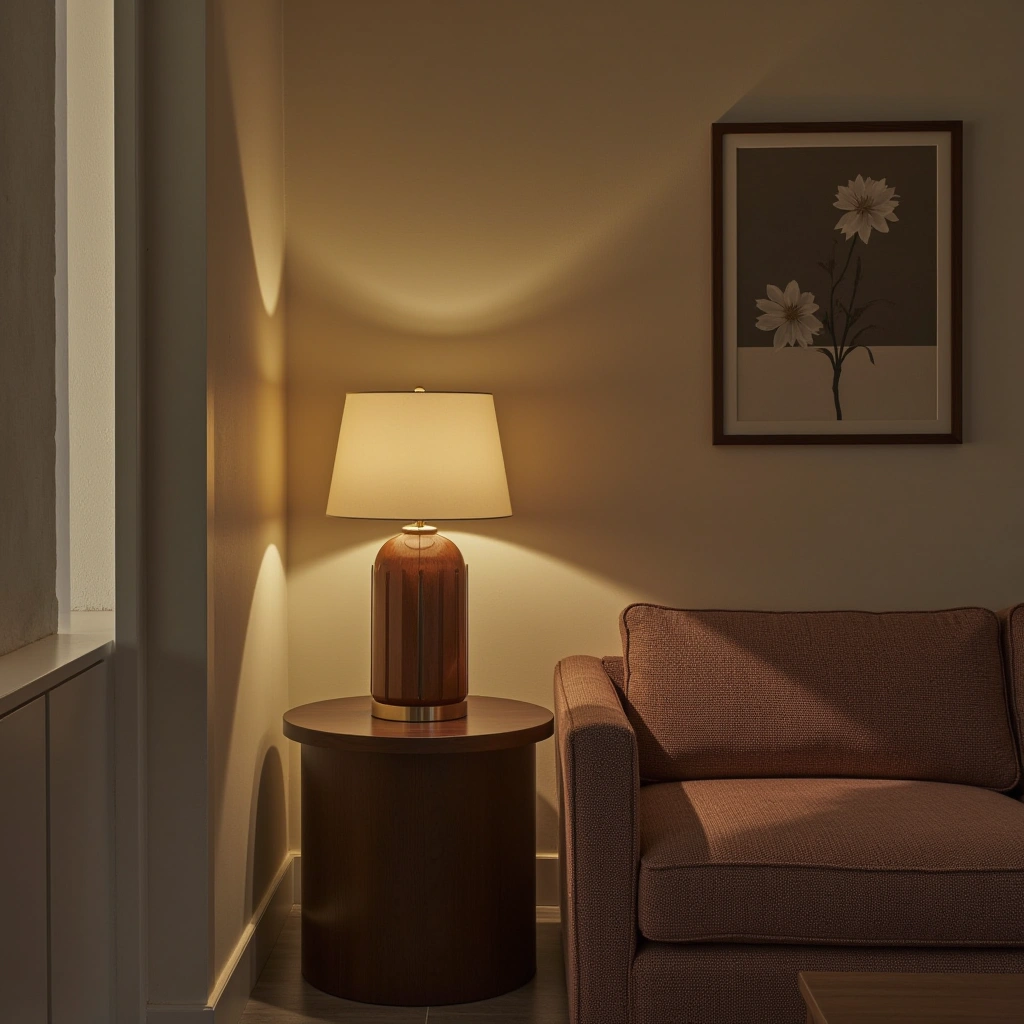
Lighting is a essential element in any living room, and choosing the right fixtures can help reinforce your vintage aesthetic. Opt for classic lighting options like Art Deco-style table lamps, industrial-inspired pendant lights, or a statement chandelier for a touch of glamour.
Implementation Tips:
- Layer lighting: Combine ambient, task, and accent lighting to create a well-lit and inviting space.
- Statement piece: Choose one standout lighting fixture to serve as a focal point in your living room.
- Coordinate finishes: Match the finish of your lighting fixtures to other hardware in the room, such as doorknobs or cabinet pulls, for a cohesive look.
By incorporating vintage-inspired lighting, you can create a warm and inviting atmosphere in your tiny house living room. Next, let’s discuss how to use textiles to add warmth and texture.
Add Warmth with Vintage Textiles
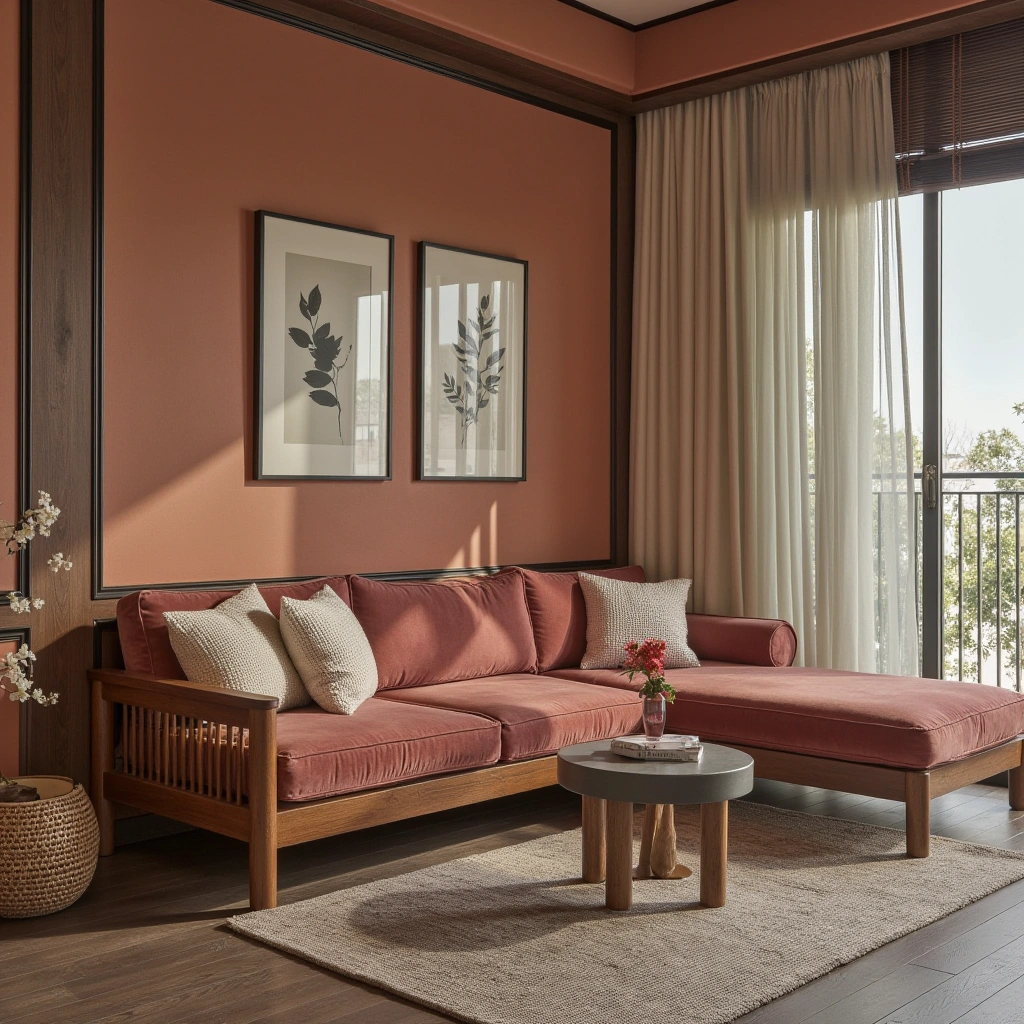
Textiles play a significant role in adding warmth, texture, and visual interest to your vintage tiny house living room. Opt for fabrics with a retro-inspired feel, such as velvet, chenille, or crocheted pieces, to create a cozy and inviting space.
Implementation Tips:
- Layer textiles: Combine different textiles, like a crocheted throw blanket and a velvet pillow, to create a rich, layered look.
- Vintage-inspired patterns: Incorporate fabrics with classic patterns, like paisley, floral, or geometric designs, to reinforce your vintage aesthetic.
- DIY textile projects: Create your own vintage-inspired textiles by repurposing old fabrics or making your own throw pillows, curtains, or area rugs.
By adding warmth with vintage textiles, you can create a living room that feels both nostalgic and cozy. Now, let’s explore how to incorporate natural elements into your space.
Incorporate Natural Elements for a Rustic Touch
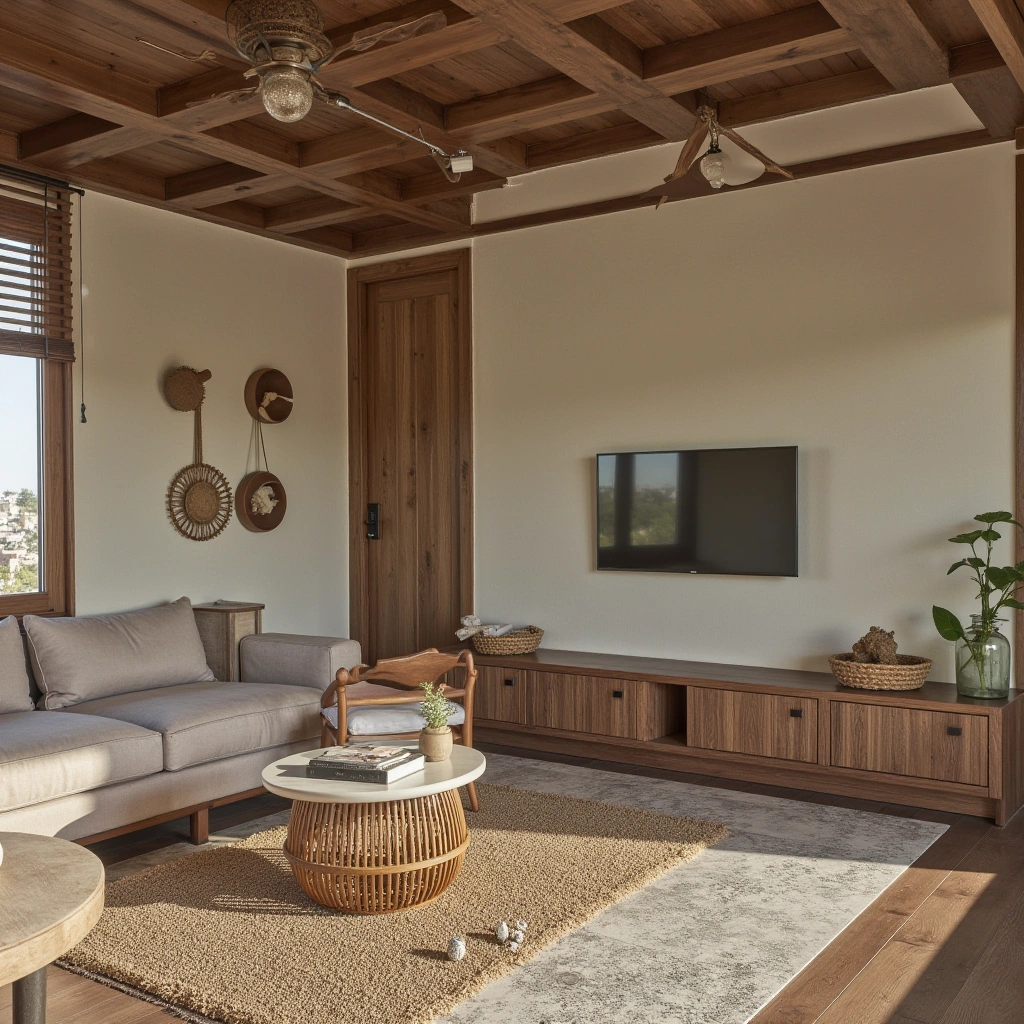
Incorporating natural elements into your vintage tiny house living room can add a rustic, earthy touch that complements your vintage aesthetic. Opt for materials like reclaimed wood, rattan, or jute to create a space that feels connected to nature.
Implementation Tips:
- Reclaimed wood accents: Use reclaimed wood for shelves, wall art, or furniture to add a rustic touch.
- Natural fiber rugs: Choose a rug made from natural fibers, like jute or sisal, to anchor your seating area and add texture.
- Plants: Incorporate plants into your living room to bring life and freshness to the space.
By incorporating natural elements, you can create a vintage living room that feels both nostalgic and grounded. Next, let’s discuss how to use artwork to personalize your space.
Personalize with Vintage-Inspired Artwork
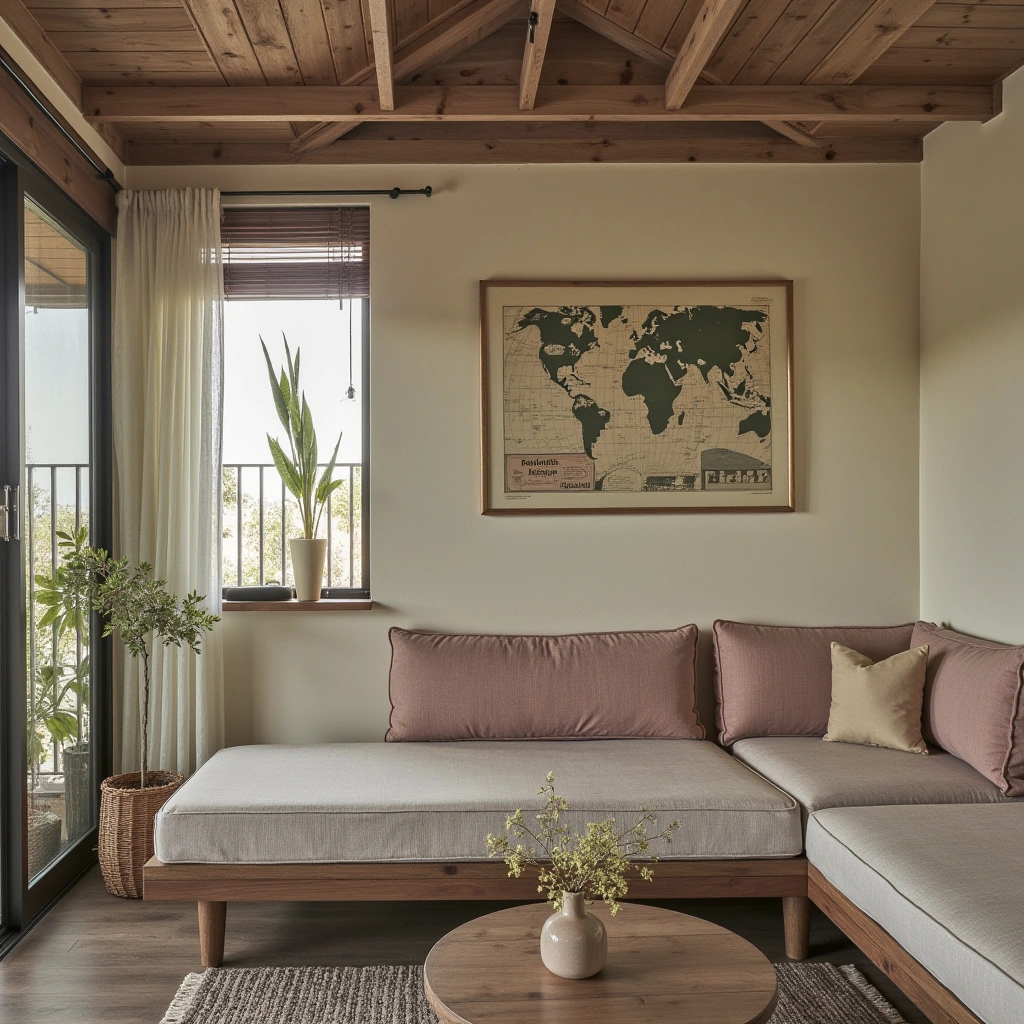
Artwork is an excellent way to personalize your vintage tiny house living room and add visual interest to the space. Opt for vintage-inspired pieces, like retro prints, antique maps, or classic paintings, to create a living room that reflects your unique style.
Implementation Tips:
- Gallery wall: Create a gallery wall featuring a mix of vintage artwork, photographs, and mirrors to add a personal touch to your living room.
- Statement piece: Choose one standout artwork to serve as a focal point in the space.
- DIY art: Create your own vintage-inspired artwork by repurposing old frames, maps, or other found objects.
By personalizing with vintage-inspired artwork, you can create a living room that feels both nostalgic and uniquely yours. Now, let’s explore how to use mirrors to create the illusion of space.
Create the Illusion of Space with Mirrors
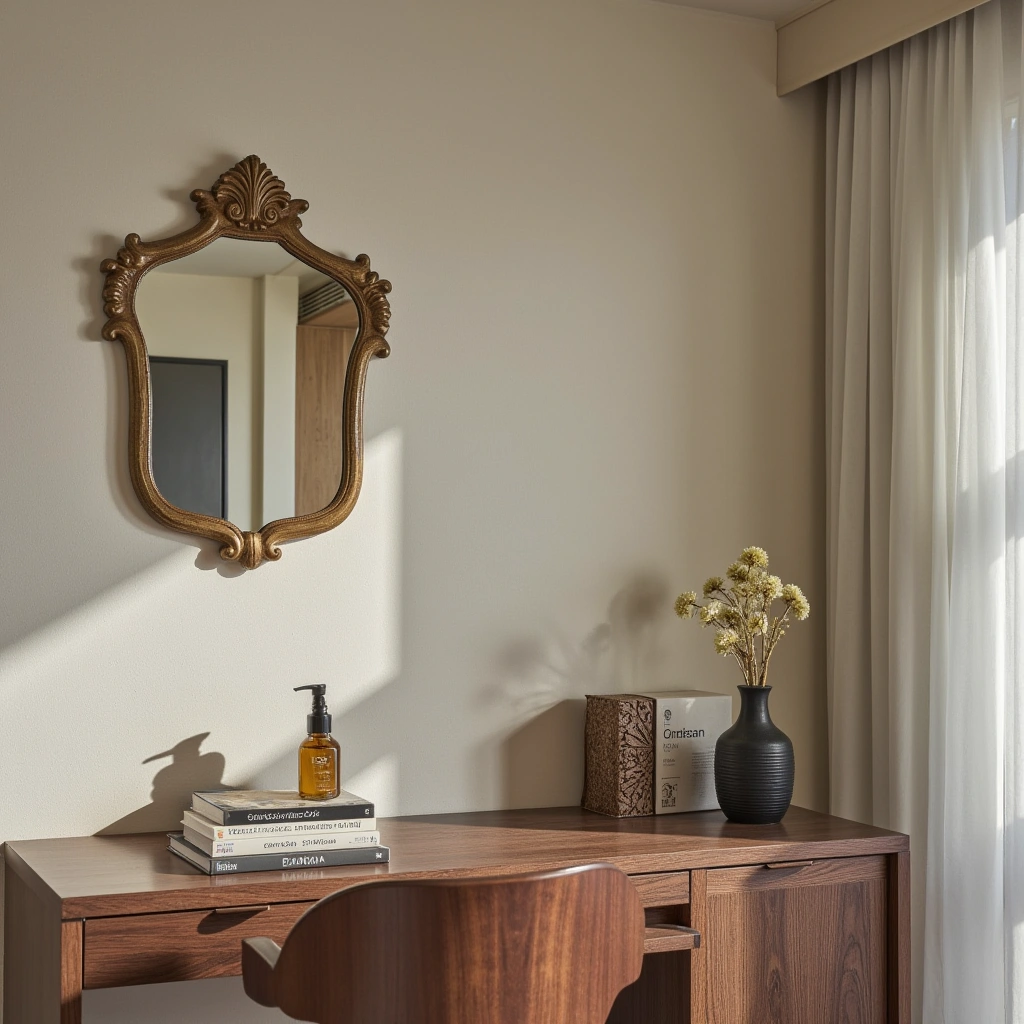
Mirrors are a powerful tool in tiny house design, as they can help create the illusion of space and amplify light. Opt for vintage-inspired mirrors, like an ornate gilded mirror or a simple round mirror with a thin frame, to add a touch of elegance to your living room.
Implementation Tips:
- Strategic placement: Hang mirrors opposite windows or in dark corners to reflect light and brighten the space.
- Mirrored furniture: Incorporate furniture with mirrored surfaces, like a mirrored coffee table or sideboard, to add a glamorous touch and create the illusion of space.
- Mirror gallery: Create a gallery wall featuring a mix of mirrors in different shapes and sizes to add visual interest and reflect light.
By using mirrors to create the illusion of space, you can make your vintage tiny house living room feel more open and airy. Next, let’s discuss how to use decorative accents to add visual interest.
Add Visual Interest with Decorative Accents
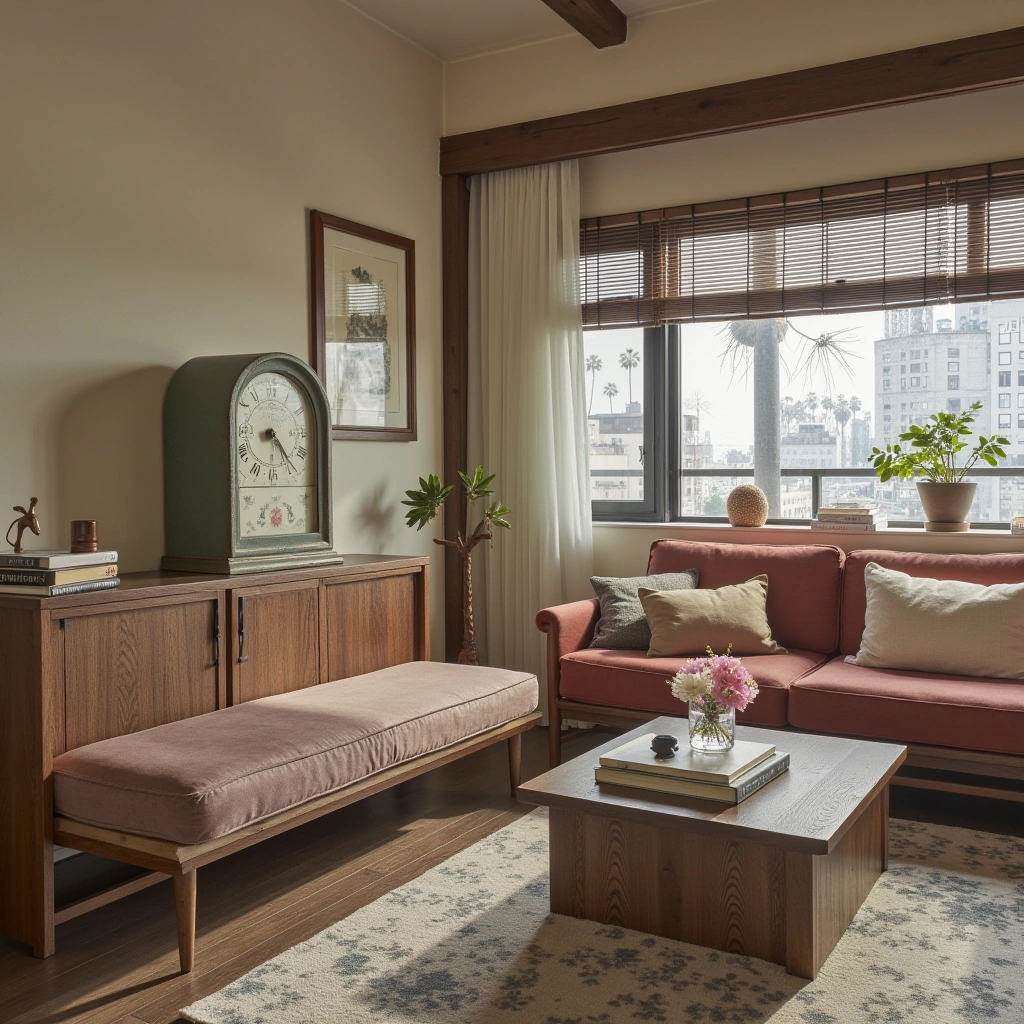
Decorative accents are an essential element in any vintage tiny house living room, as they help add visual interest and reinforce your aesthetic. Opt for classic pieces, like vintage clocks, antique books, or retro-inspired decorative objects, to create a space that feels both nostalgic and curated.
Implementation Tips:
- Vignettes: Create small groupings of decorative accents, like a collection of vintage books and a retro candle holder, to add visual interest to surfaces like coffee tables or shelves.
- Eclectic mix: Combine decorative accents from different eras and styles to create an eclectic, layered look.
- DIY decor: Create your own vintage-inspired decorative accents by repurposing old objects or making your own pieces, like a DIY terrarium or a hand-painted vase.
By adding visual interest with decorative accents, you can create a vintage living room that feels both nostalgic and uniquely yours. Now, let’s explore how to use architectural details to enhance your space.
Enhance with Vintage-Inspired Architectural Details
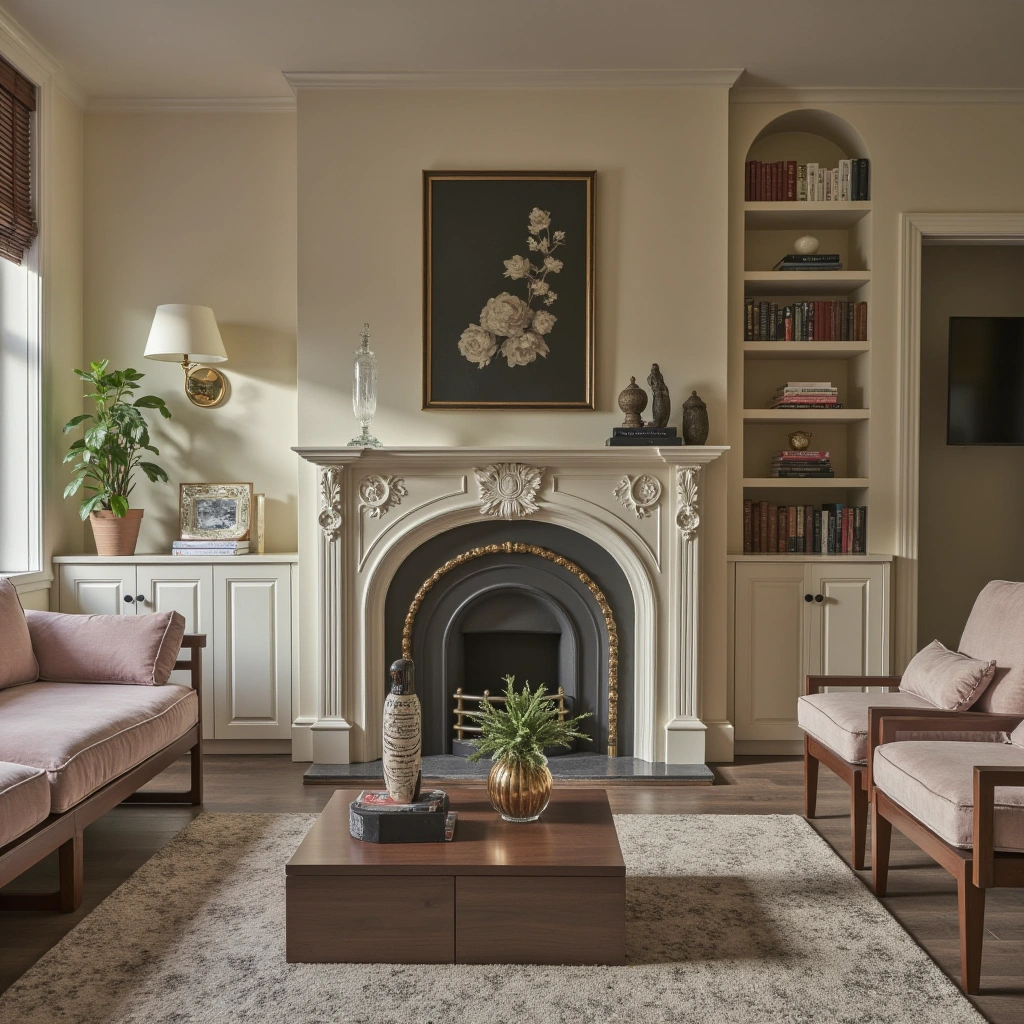
Architectural details can add character and charm to your vintage tiny house living room. Opt for classic elements, like crown molding, wainscoting, or a decorative fireplace, to create a space that feels both nostalgic and elegant.
Implementation Tips:
- Faux details: If your tiny house lacks architectural details, consider adding faux elements, like a DIY faux fireplace or removable wall molding, to enhance your space.
- Paint techniques: Use paint techniques, like color blocking or a faux finish, to create the illusion of architectural details.
- Salvaged materials: Incorporate salvaged materials, like reclaimed wood or vintage tiles, to add a touch of history and character to your living room.
By enhancing with vintage-inspired architectural details, you can create a living room that feels both nostalgic and timeless. Next, let’s discuss how to use area rugs to define your space.
Define Your Space with Vintage Area Rugs
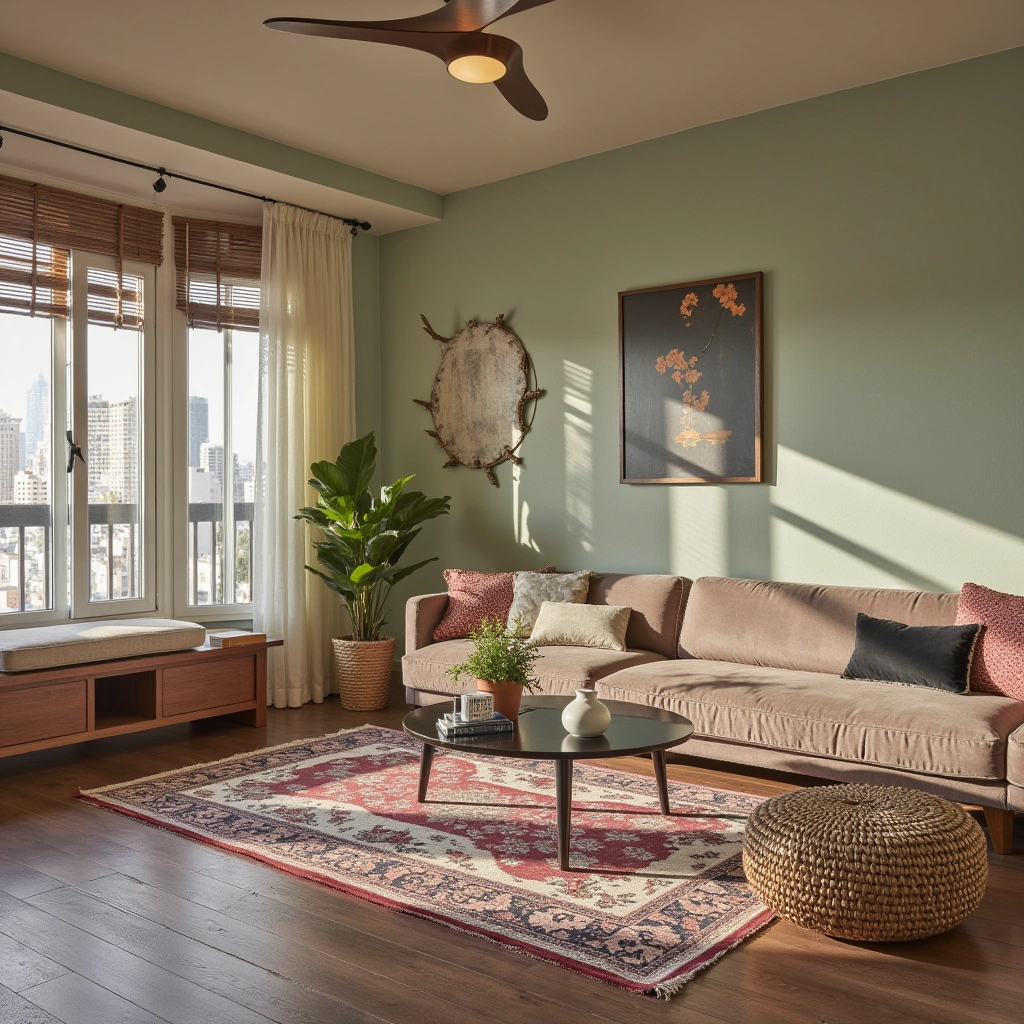
Area rugs are an excellent way to define your seating area and add warmth and texture to your vintage tiny house living room. Opt for rugs with a retro-inspired feel, like a Persian rug, a shag rug, or a flat-weave kilim, to create a space that feels both nostalgic and cozy.
Implementation Tips:
- Layer rugs: Combine different area rugs, like a large jute rug topped with a smaller vintage rug, to create a rich, layered look.
- Rug size: Choose a rug that is large enough to anchor your seating area and accommodate all of your furniture.
- Rug padding: Add a rug pad underneath your area rug to provide extra cushioning and prevent slipping.
By defining your space with vintage area rugs, you can create a living room that feels both nostalgic and inviting. Now, let’s explore how to use window treatments to add style and functionality.
Add Style with Vintage Window Treatments
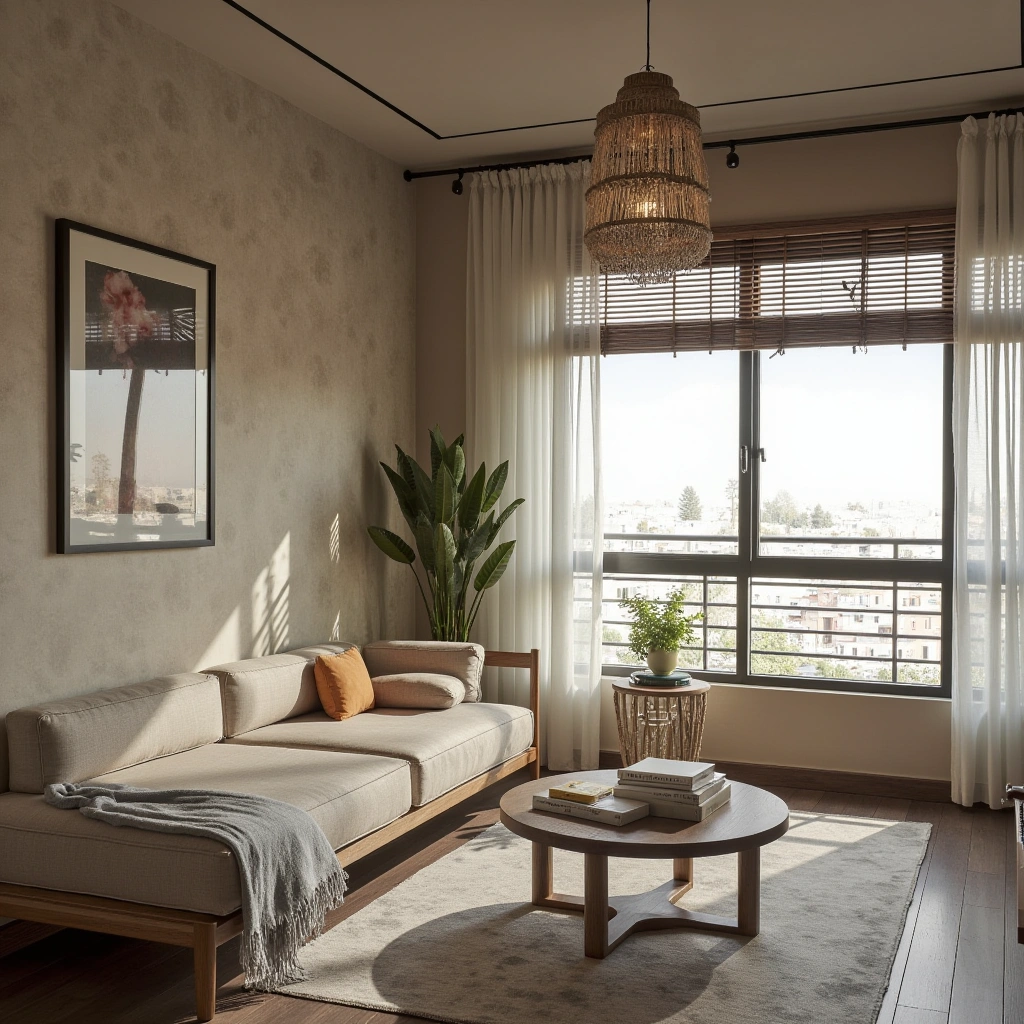
Window treatments are an essential element in any vintage tiny house living room, as they provide both style and functionality. Opt for classic options, like lace curtains, velvet drapes, or roman shades, to create a space that feels both nostalgic and well-appointed.
Implementation Tips:
- Layer window treatments: Combine different window treatments, like sheer curtains paired with a roman shade, to add depth and visual interest to your windows.
- Custom hardware: Choose custom curtain rods and finials to add a personal touch to your window treatments.
- DIY window treatments: Create your own vintage-inspired window treatments by repurposing old fabrics or making your own curtains or shades.
By adding style with vintage window treatments, you can create a living room that feels both nostalgic and polished. Finally, let’s discuss how to use multipurpose furniture to maximize functionality.
Maximize Functionality with Multipurpose Furniture
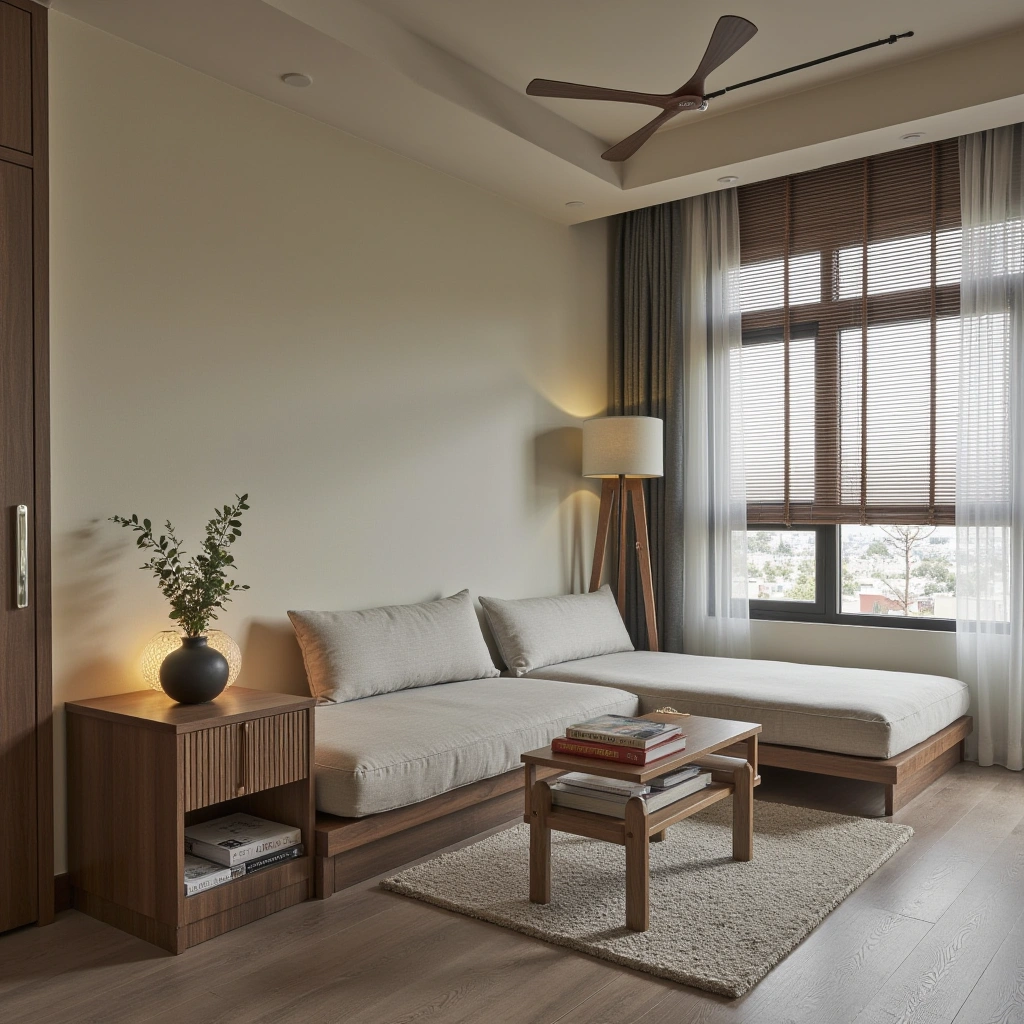
In a tiny house, it’s essential to make the most of every piece of furniture. Opt for multipurpose furniture that can serve multiple functions, like a sofa bed, a coffee table with built-in storage, or a fold-down desk, to create a space that is both stylish and functional.
Implementation Tips:
- Fold-away furniture: Choose furniture that can be easily folded away or stored when not in use, like a murphy bed or a folding chair.
- Modular furniture: Incorporate modular furniture that can be rearranged and adapted to suit your needs, like a sectional sofa or a modular shelving unit.
- Dual-purpose furniture: Opt for furniture that serves dual purposes, like a bench with built-in storage or a side table that can also function as a stool.
By maximizing functionality with multipurpose furniture, you can create a vintage tiny house living room that is both stylish and efficient.
Conclusion
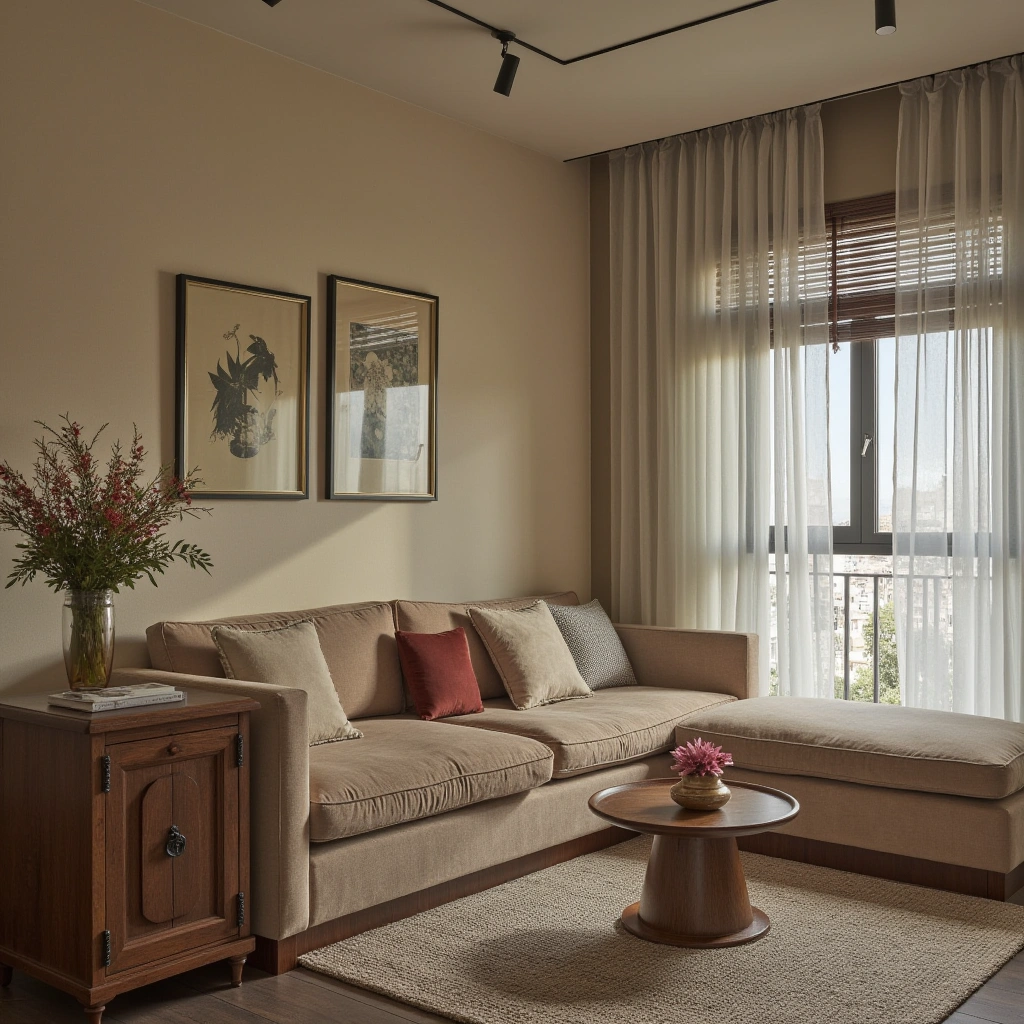
In conclusion, creating a vintage tiny house living room is all about blending old and new to create a space that feels both nostalgic and fresh. By incorporating elements like antique furniture, retro color schemes, and clever storage solutions, you can create a living room that is both stylish and functional. Don’t be afraid to experiment with different design ideas and make the space your own.
With these 13 vintage tiny house living room ideas, you’re well on your way to creating a beautiful, efficient space that you’ll absolutely love. So go ahead and start designing your dream vintage living room today – your tiny house deserves it! And remember, the key to a successful vintage tiny house living room is to blend old and new to create a space that feels both nostalgic and fresh.
13 Vintage Tiny House Living Room Ideas.
