
Elevate your small living room with our expertly curated minimalist design ideas. We promise to deliver practical, stylish, and space-saving solutions tailored just for you.
So, how can you make the most of a small living room with minimalist design? Minimalist design focuses on simplicity, functionality, and elegance. By using clean lines, neutral colors, and essential furniture, you can create a spacious, calming environment in your small living room. This approach emphasizes the principle of “less is more,” helping you achieve a clutter-free, harmonious space.
Read on to discover innovative minimalist living room ideas that maximize your space and minimize clutter.
Contents
- 1 Embrace the Magic of Minimalism in Small Spaces
- 2 1. Neutral Color Palette
- 3 2. Multifunctional Furniture
- 4 3. Declutter and Organize
- 5 4. Natural Light and Airy Feel
- 6 5. Floating Shelves
- 7 6. Minimalist Artwork
- 8 7. Plants for Life
- 9 8. Streamlined Seating
- 10 9. Hidden Storage
- 11 10. Simple Lighting
- 12 11. Textural Elements
- 13 12. Open Floor Plan
- 14 13. Minimalist Decor
- 15 14. Personal Touches
- 16 Conclusion
Embrace the Magic of Minimalism in Small Spaces
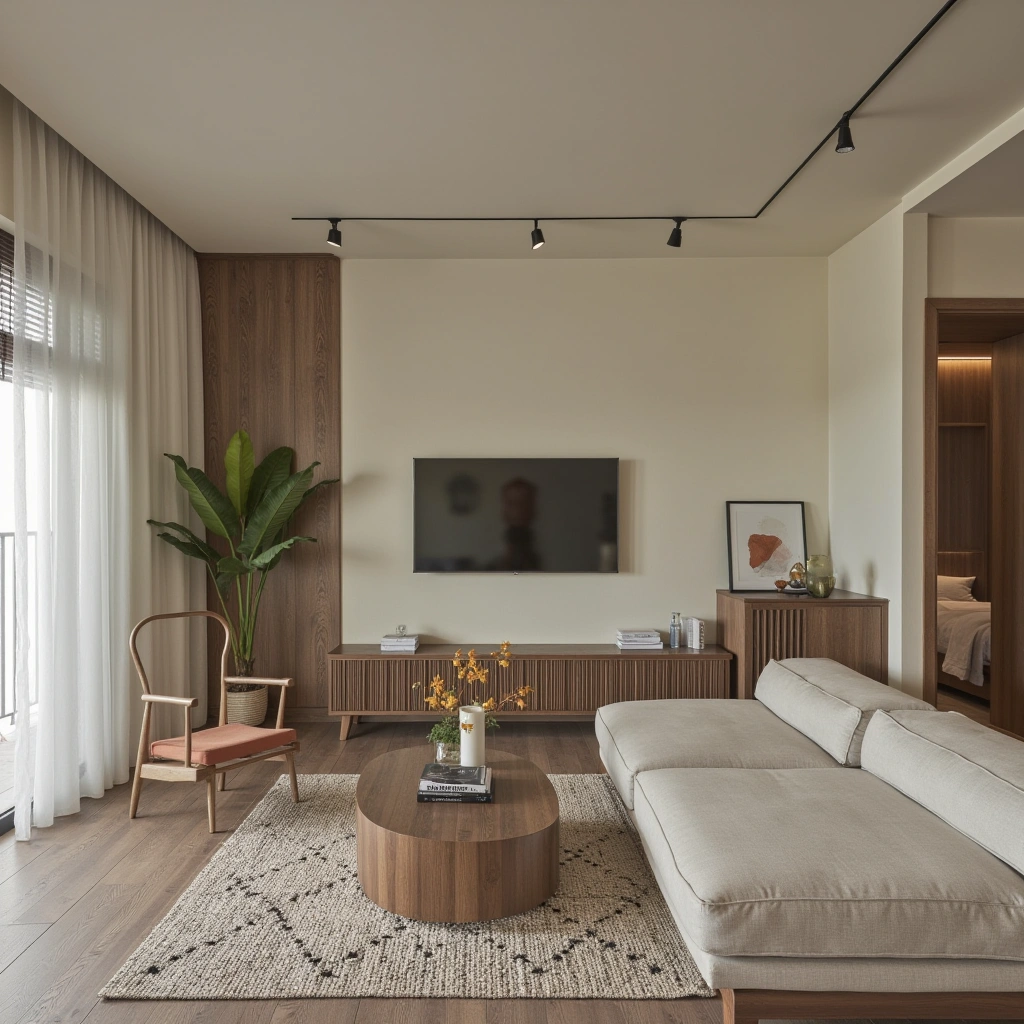
Minimalist design is perfect for small living rooms as it emphasizes simplicity and functionality. By reducing clutter and focusing on essential elements, you can create a serene and inviting space. Let’s dive into 14 inspiring ideas to transform your small living room into a minimalist haven.
1. Neutral Color Palette
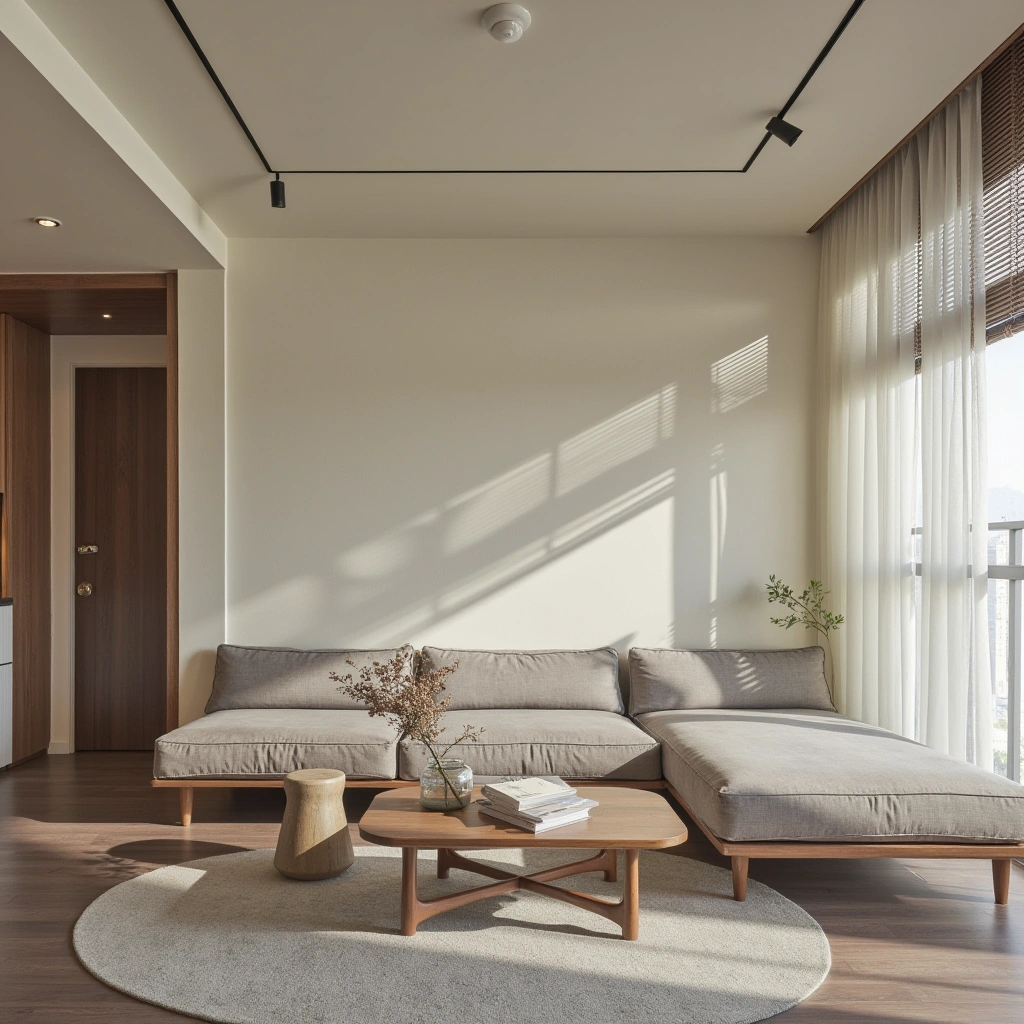
Begin with a neutral color palette to create a sense of spaciousness. Light colors like white, beige, and grey reflect light, making the room feel brighter and more expansive. Opt for a monochromatic scheme or introduce subtle accents of pastel hues for a soft, calming effect. This approach works well in both modern and traditional settings, adding a touch of elegance without overwhelming the space.
Practical Tip: Use a single neutral shade for walls, furniture, and decor to create a cohesive look.
2. Multifunctional Furniture
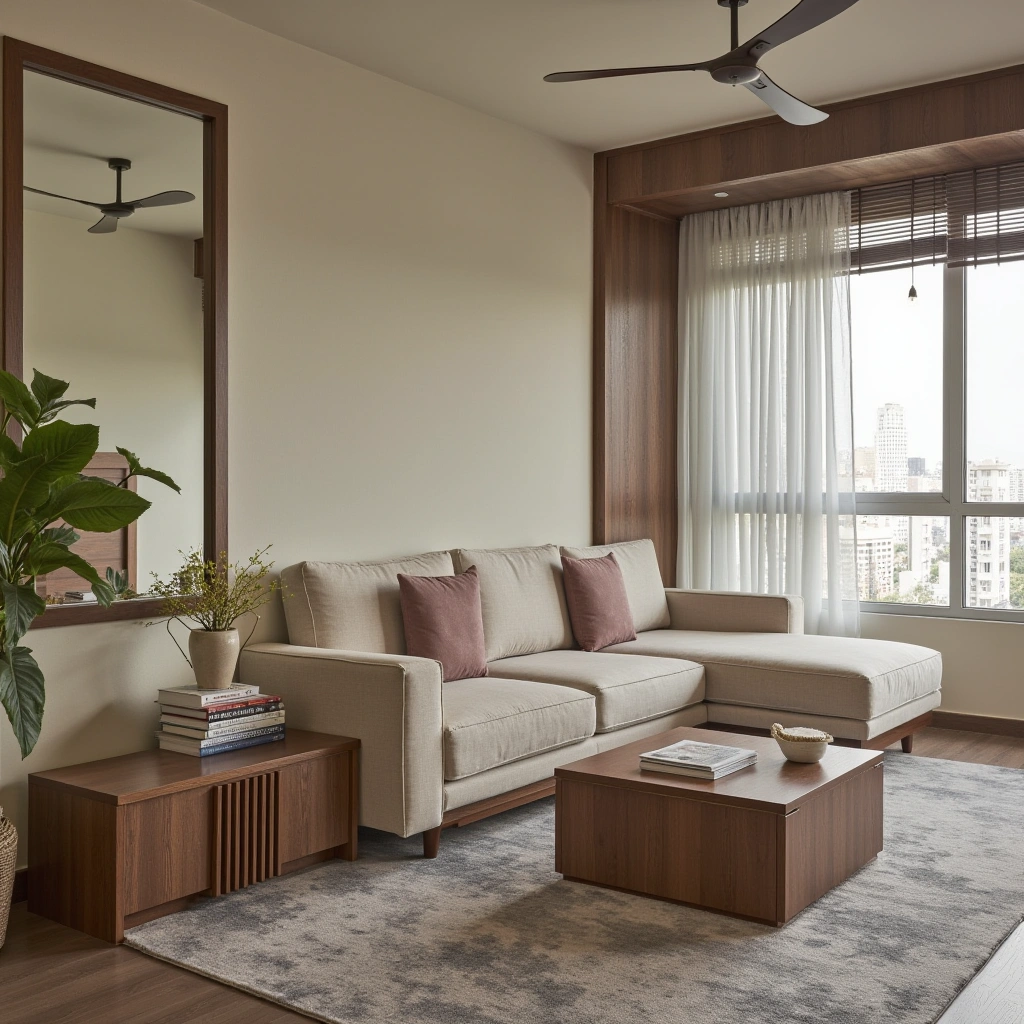
Invest in multifunctional furniture to maximize your small living room’s potential. Choose pieces that serve dual purposes, such as a coffee table with built-in storage or a sofa bed for overnight guests. This not only saves space but also keeps the room clutter-free. Opt for clean, simple lines to maintain the minimalist aesthetic, ensuring the furniture blends seamlessly with the overall design.
Practical Tip: Look for ottomans with hidden storage or nesting tables that can be easily tucked away when not in use.
3. Declutter and Organize
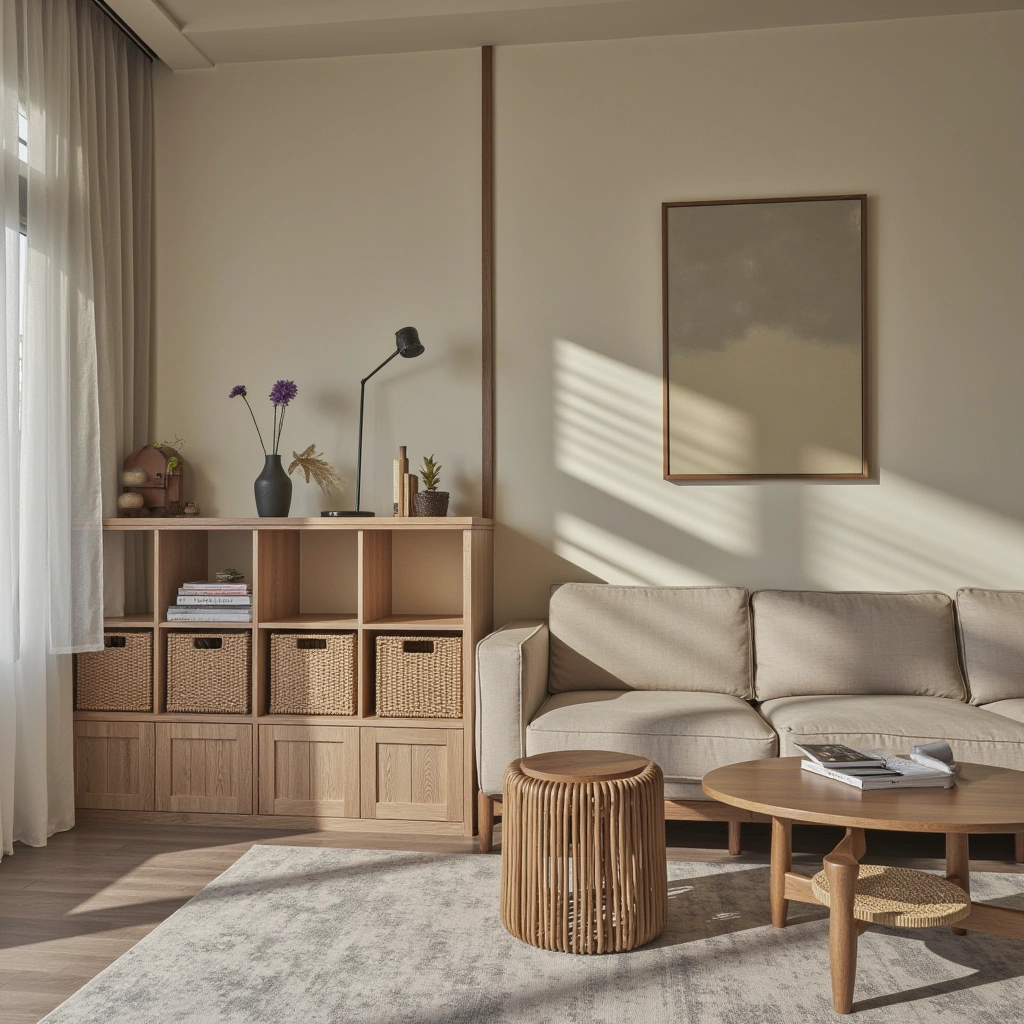
Decluttering is key to achieving a minimalist living room. Remove any unnecessary items and keep only the essentials. Organize your belongings using storage solutions like shelves, baskets, and bins. This not only keeps the room tidy but also creates a sense of order and calm. Consider using wall-mounted shelves to free up floor space and add a decorative touch.
Practical Tip: Regularly review and donate or sell items you no longer need to maintain a clutter-free environment.
4. Natural Light and Airy Feel
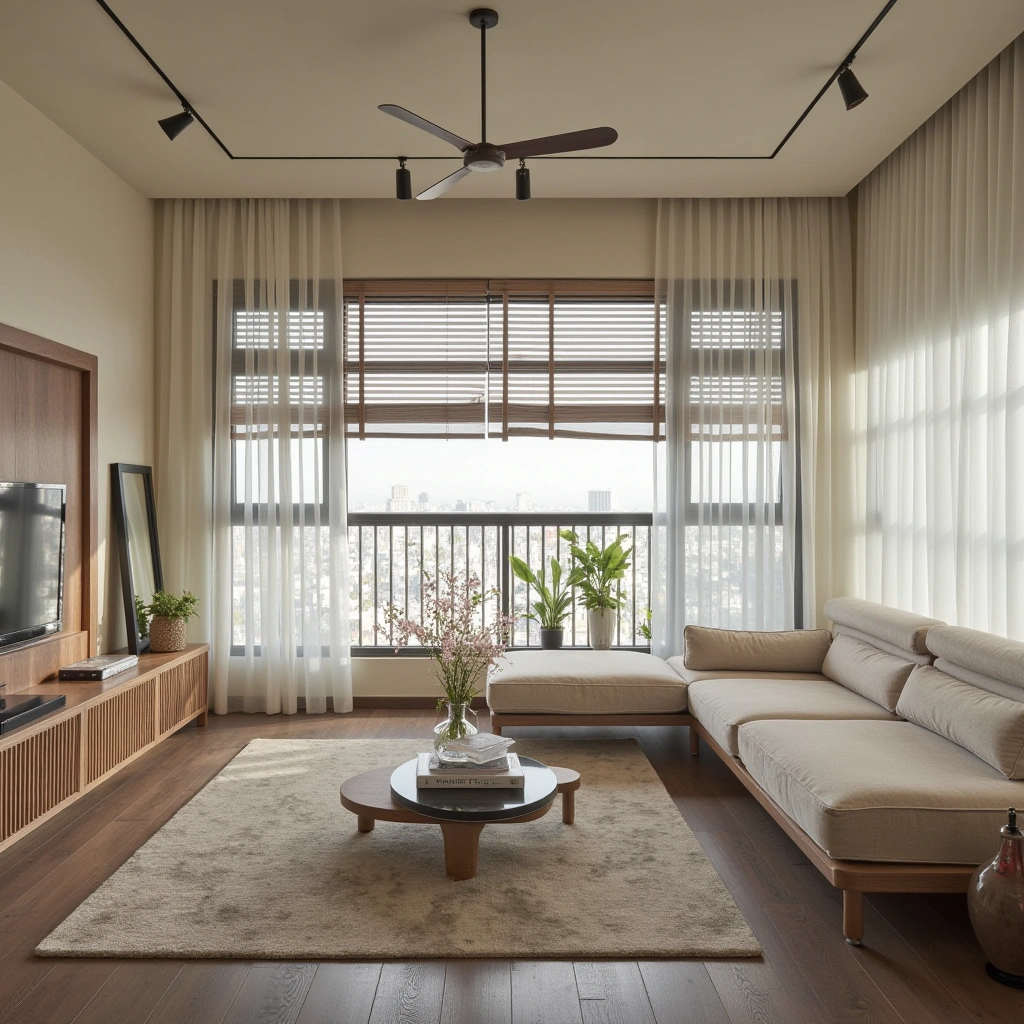
Maximize natural light to create an airy and inviting atmosphere. Use sheer curtains or blinds that allow light to filter in, making the room feel more spacious. Position mirrors strategically to reflect light and create the illusion of a larger space. This approach works well in both modern and traditional settings, adding a touch of brightness and warmth.
Practical Tip: Avoid heavy drapes and opt for lightweight, translucent fabrics for window treatments.
5. Floating Shelves
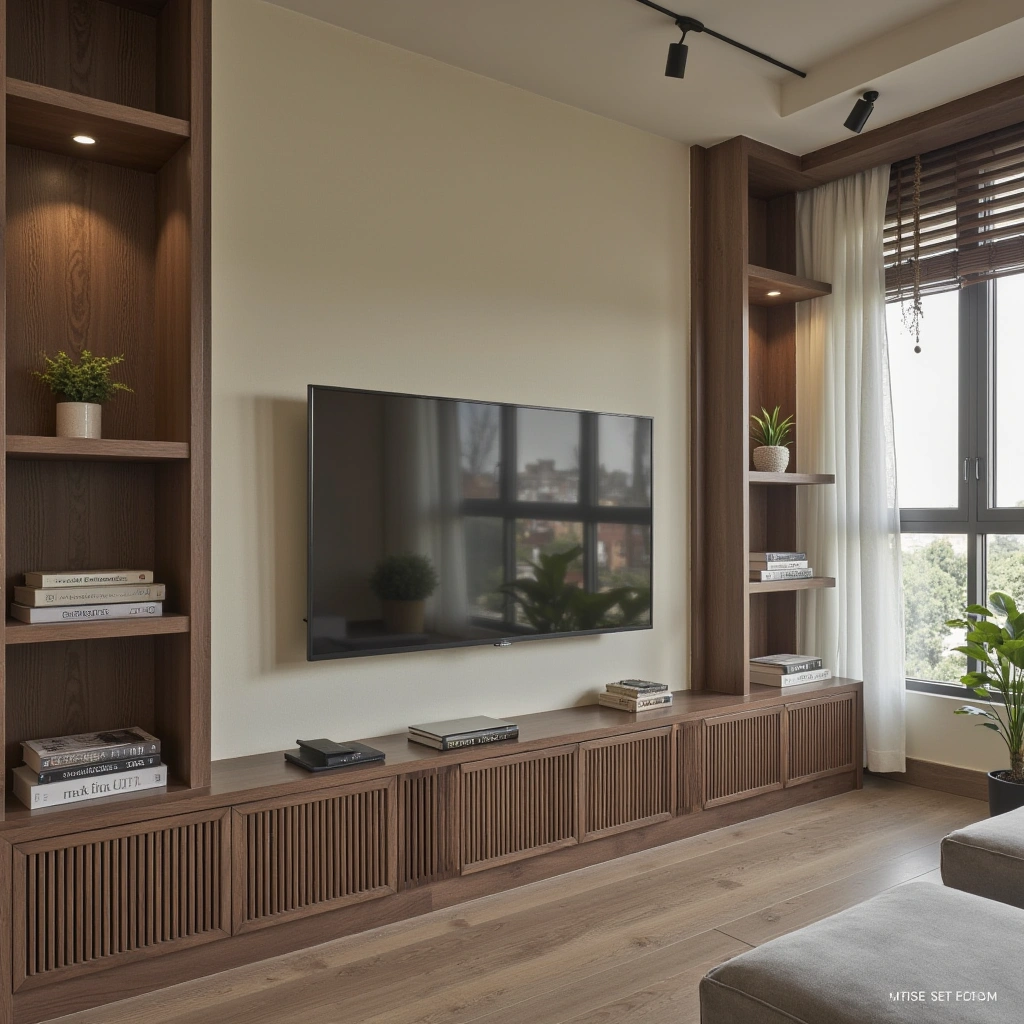
Floating shelves are a stylish and practical way to add storage without taking up valuable floor space. They provide a place to display decorative items, books, or plants while keeping the room clutter-free. Choose shelves with clean lines and a neutral finish to maintain the minimalist aesthetic. This design element suits various home styles, from modern to Scandinavian.
Practical Tip: Use floating shelves to create a focal point on a blank wall, adding both function and visual interest.
6. Minimalist Artwork
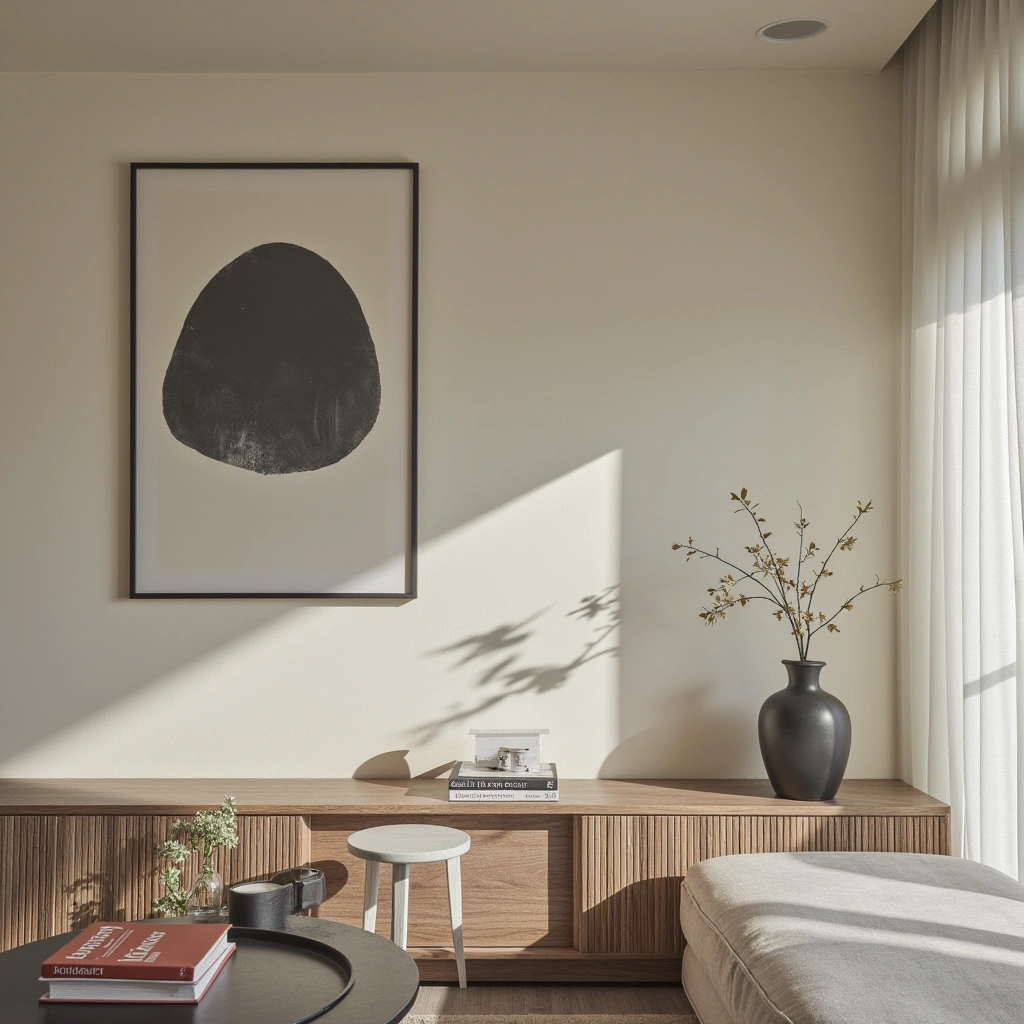
Incorporate minimalist artwork to add a touch of personality without overwhelming the space. Opt for simple, abstract pieces or black-and-white photographs that complement the neutral color palette. Hang the artwork at eye level to create a balanced and harmonious look. This approach works well in both modern and traditional settings, adding a touch of sophistication.
Practical Tip: Choose artwork with a slim frame or no frame at all for a clean, minimalist look.
7. Plants for Life
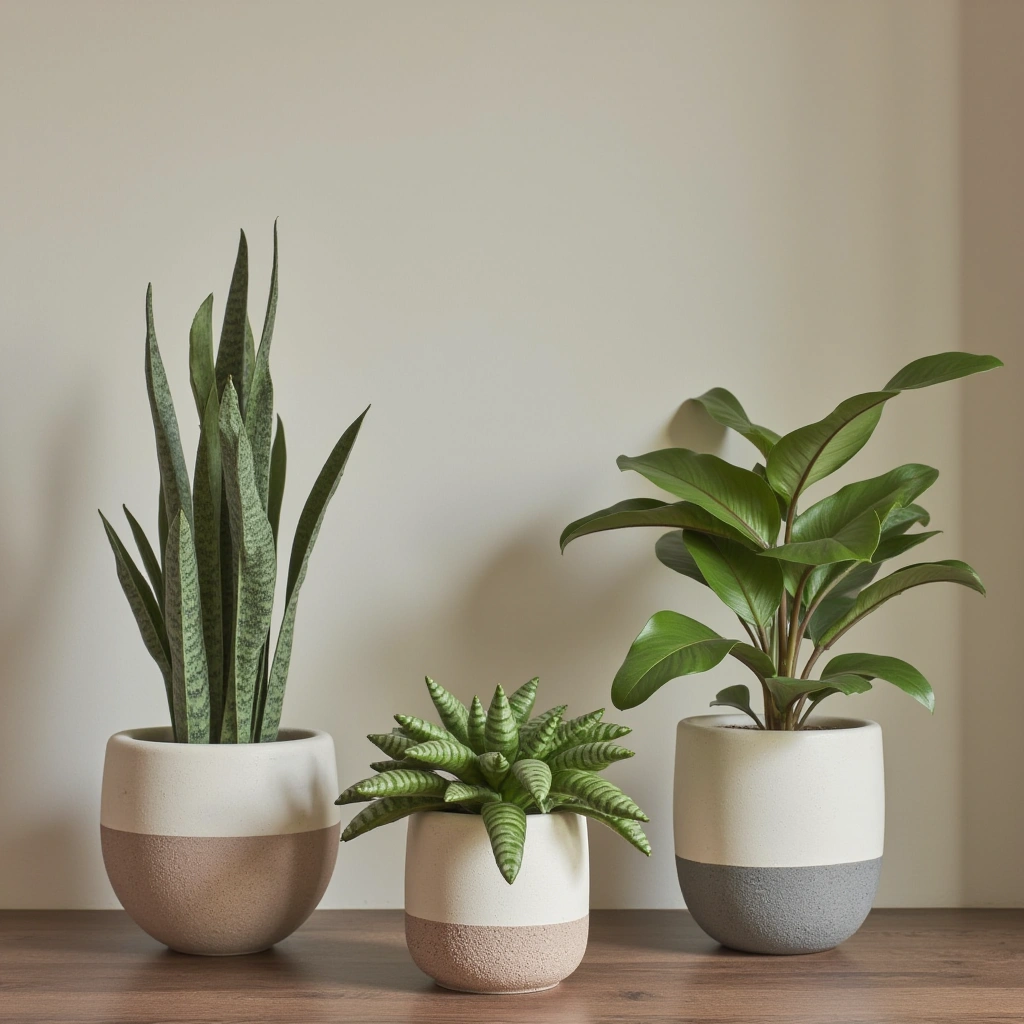
Add a touch of nature with minimalist plants. Opt for low-maintenance varieties like snake plants, succulents, or air plants that require little care. Place them in simple, neutral-colored pots to maintain the minimalist aesthetic. Plants not only add a pop of color but also purify the air, creating a healthier living environment.
Practical Tip: Hang plants from the ceiling or place them on floating shelves to save floor space.
8. Streamlined Seating
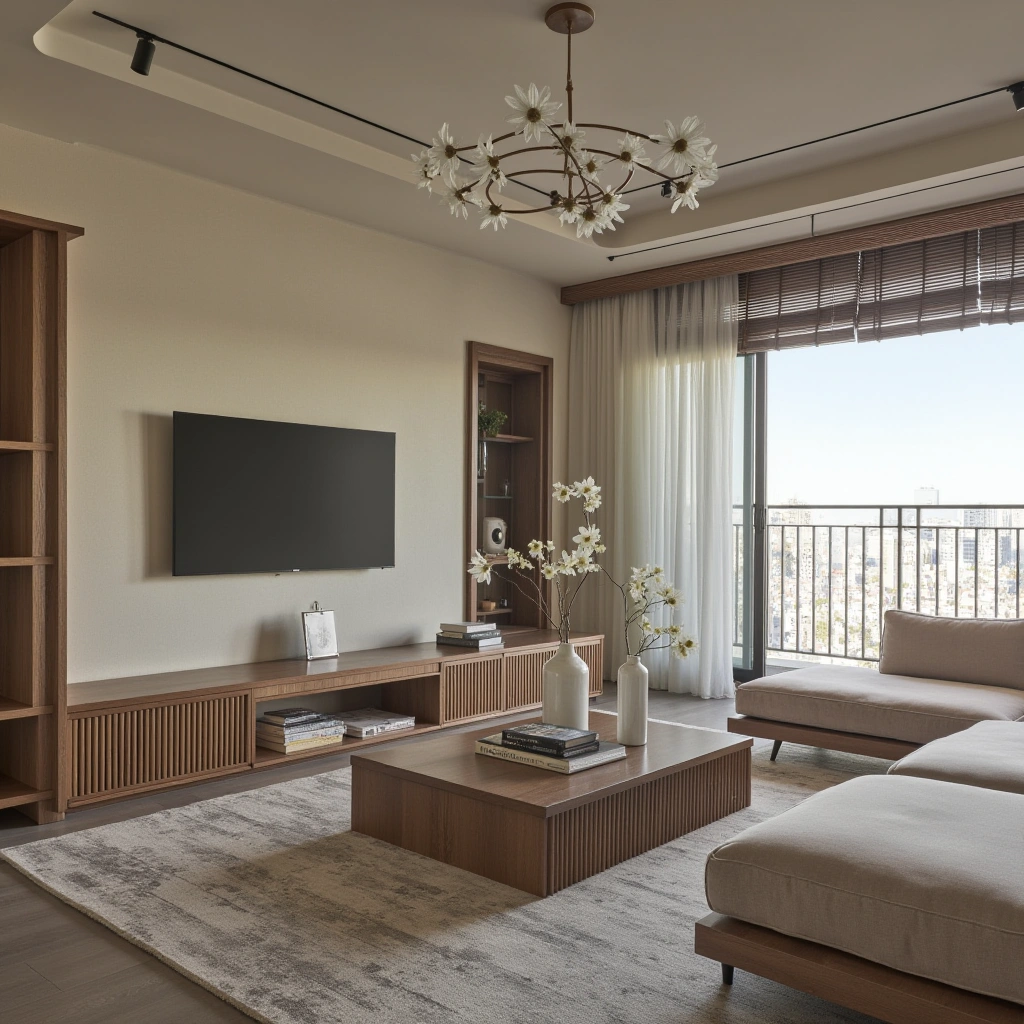
Choose streamlined seating options to keep the room feeling spacious. Opt for a sleek, modern sofa or a pair of armchairs with clean lines. Avoid overstuffed or bulky furniture that can make the room feel cramped. This approach works well in both modern and traditional settings, adding a touch of elegance and comfort.
Practical Tip: Look for furniture with slim legs to create the illusion of more floor space.
9. Hidden Storage
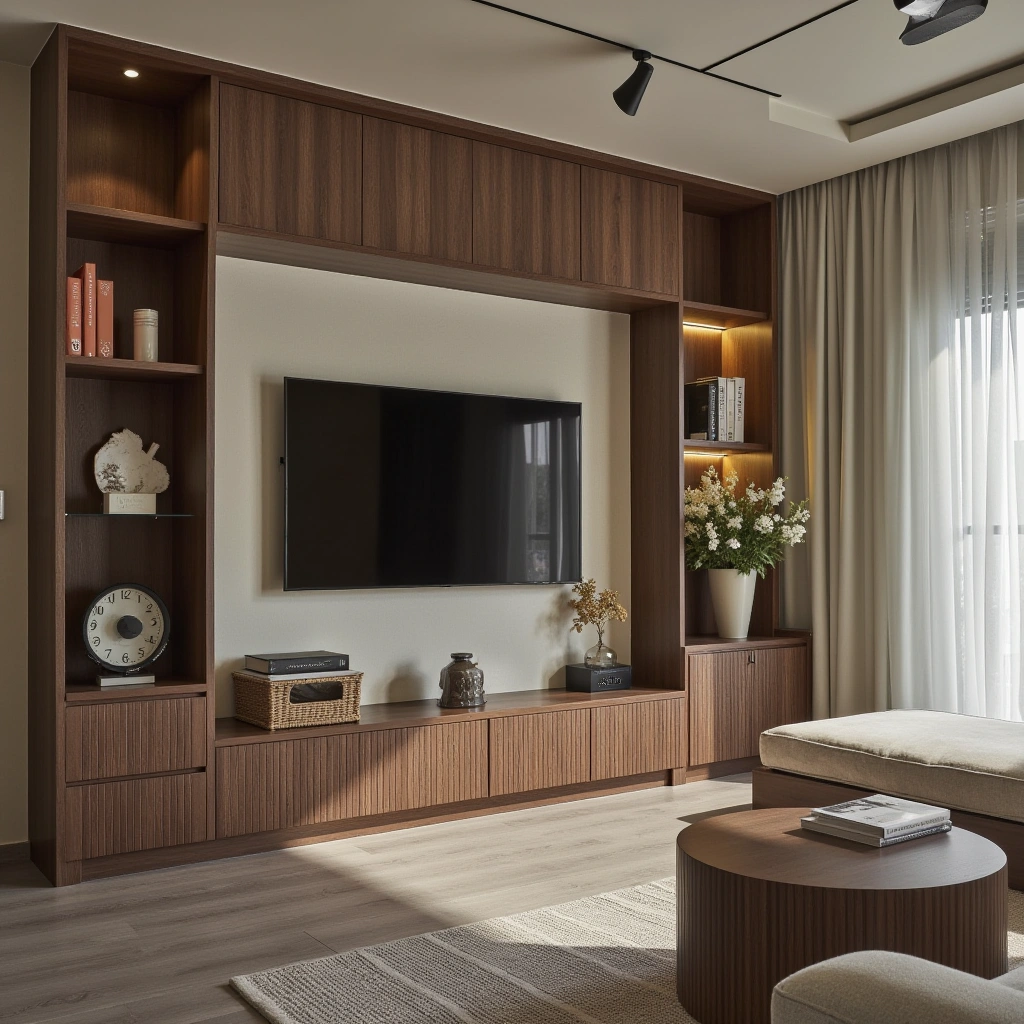
Incorporate hidden storage solutions to keep the room clutter-free. Use built-in cabinets, under-sofa drawers, or wall-mounted shelves to store items out of sight. This not only keeps the room tidy but also creates a sense of order and calm. Consider using baskets or bins to organize smaller items and maintain a minimalist look.
Practical Tip: Opt for furniture with built-in storage, such as a coffee table with drawers or a sofa with hidden compartments.
10. Simple Lighting
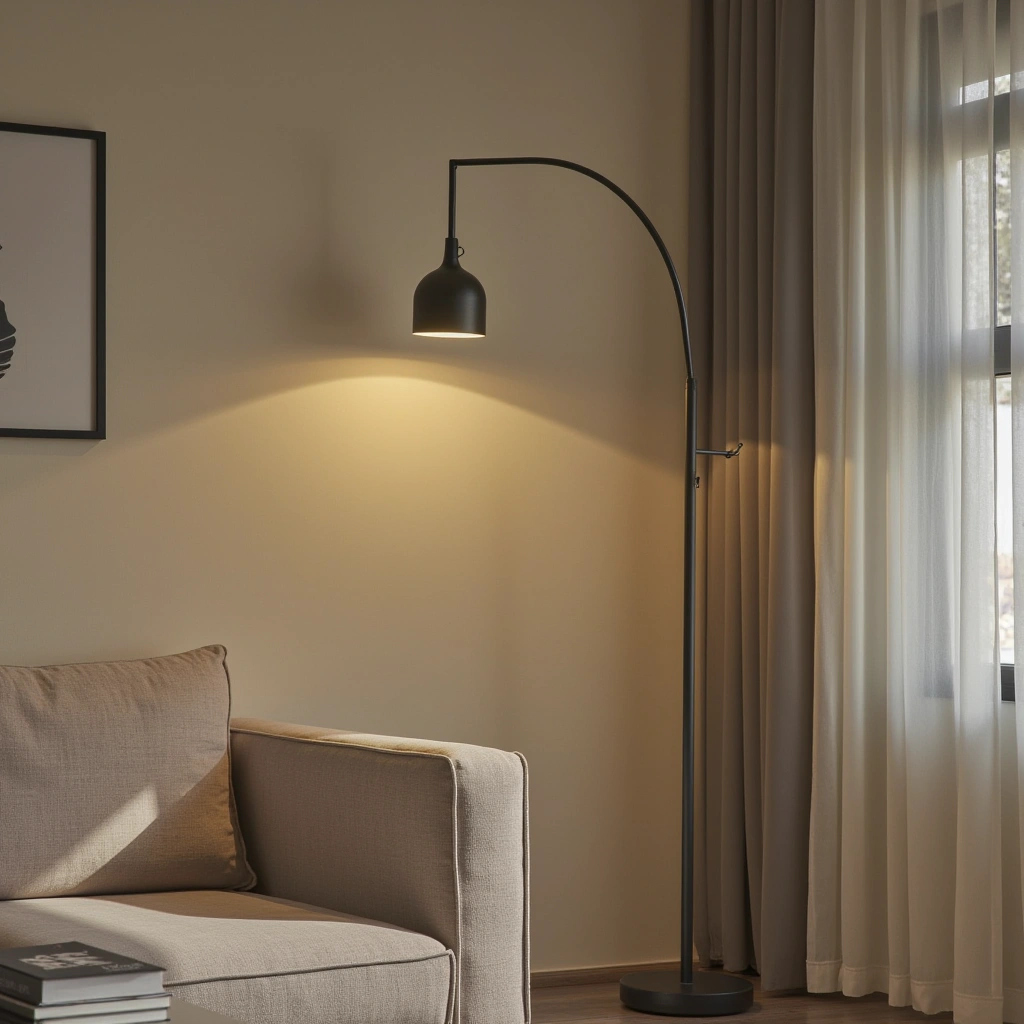
Choose simple, minimalist lighting fixtures to enhance the room’s ambiance. Opt for pendant lamps, floor lamps, or wall sconces with clean lines and a neutral finish. Avoid elaborate or ornate fixtures that can overwhelm the space. This approach works well in both modern and traditional settings, adding a touch of warmth and elegance.
Practical Tip: Use LED bulbs for energy efficiency and a long lifespan.
11. Textural Elements
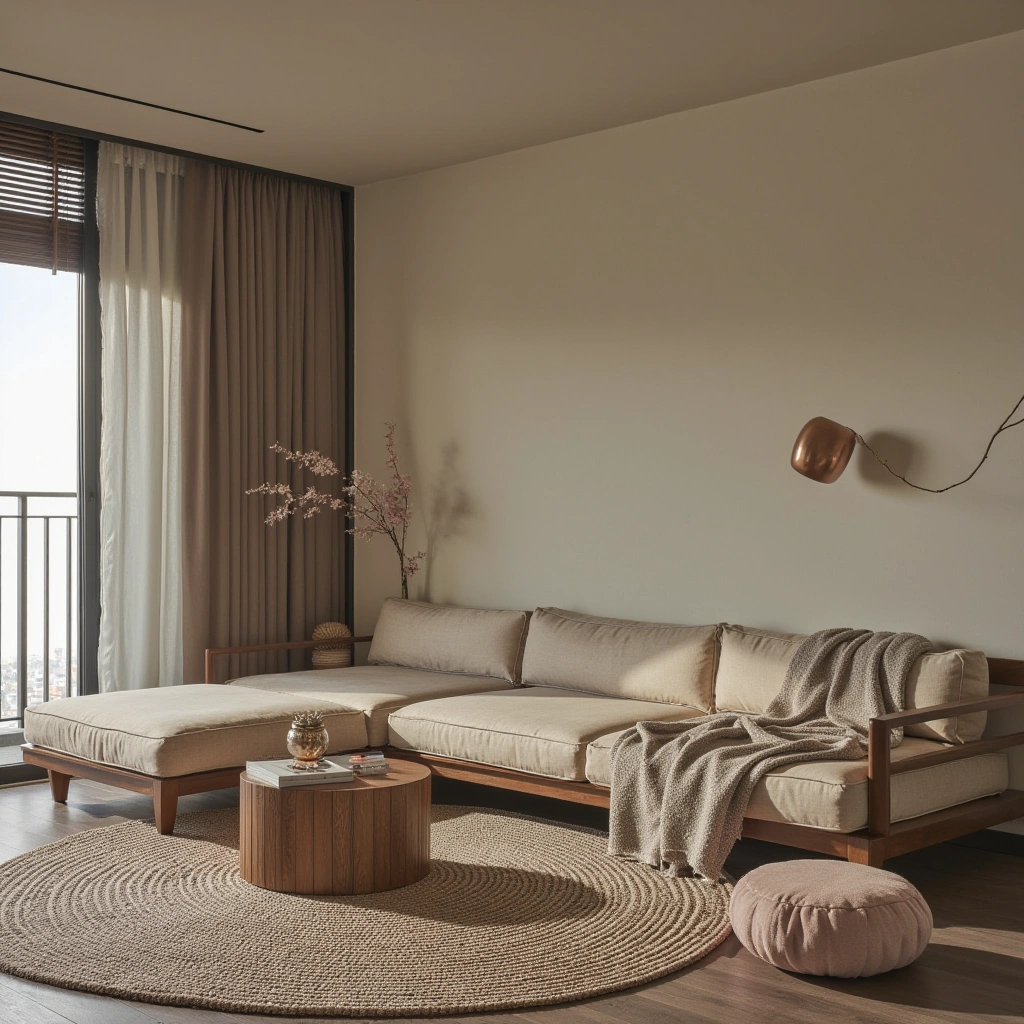
Incorporate textural elements to add depth and interest to your minimalist living room. Use materials like wood, metal, or natural fibers to create a tactile experience. Opt for a textured rug, throw pillows, or a woven basket to add warmth and dimension. This approach works well in both modern and traditional settings, adding a touch of sophistication.
Practical Tip: Choose textures in neutral colors to maintain the minimalist aesthetic.
12. Open Floor Plan
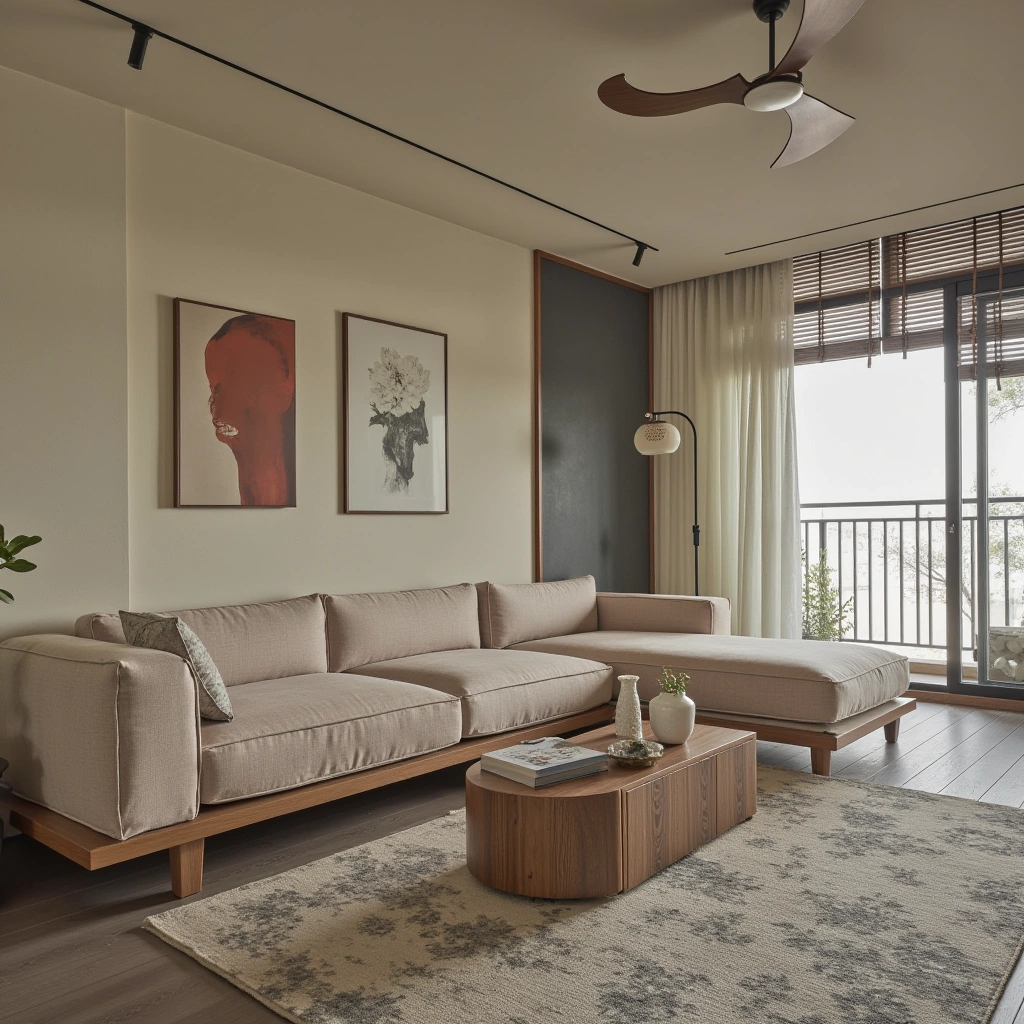
Create an open floor plan to maximize the use of space. Arrange furniture in a way that allows for easy movement and flow. Avoid placing furniture against the walls, as this can make the room feel smaller. This approach works well in both modern and traditional settings, adding a sense of spaciousness and harmony.
Practical Tip: Use area rugs to define different zones within the room, such as a seating area or a workspace.
13. Minimalist Decor
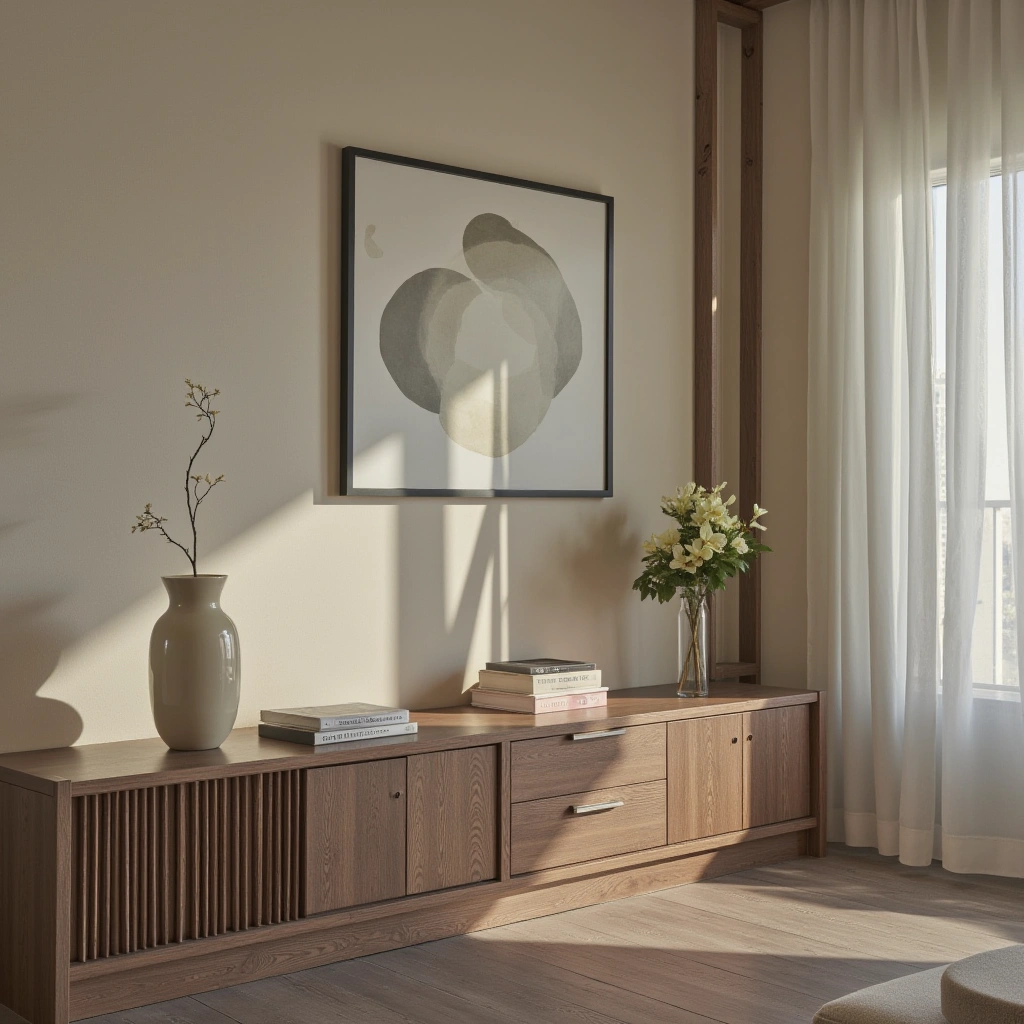
Opt for minimalist decor to keep the room feeling spacious and uncluttered. Choose simple, functional items like a sleek vase, a geometric sculpture, or a minimalist clock. Avoid overly decorative or ornate pieces that can overwhelm the space. This approach works well in both modern and traditional settings, adding a touch of elegance and sophistication.
Practical Tip: Stick to a neutral color palette for decorative items to maintain the minimalist aesthetic.
14. Personal Touches
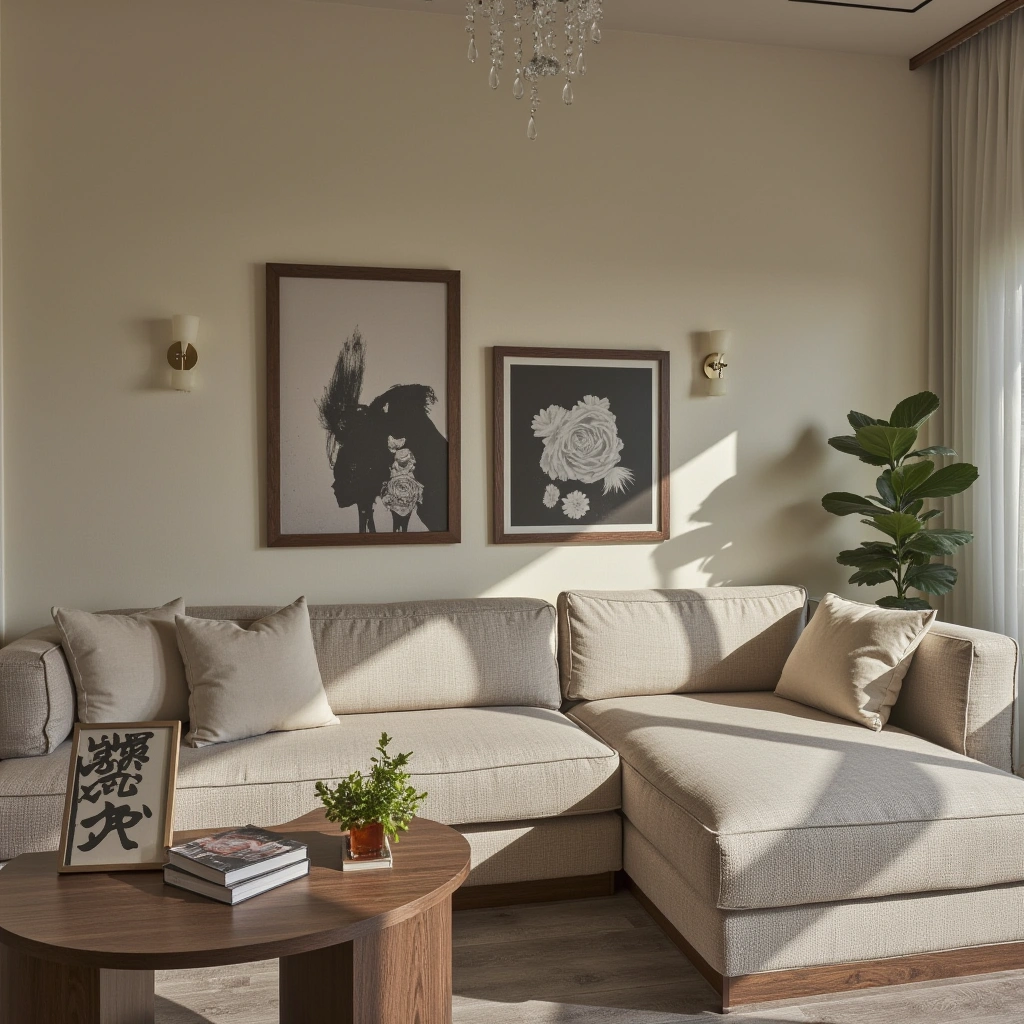
Add personal touches to make the room feel like your own. Incorporate family photos, cherished mementos, or handmade items that reflect your personality. Keep these items to a minimum to maintain the minimalist look. This approach works well in both modern and traditional settings, adding a touch of warmth and individuality.
Practical Tip: Use frames with clean lines and a neutral finish to display personal items.
Conclusion
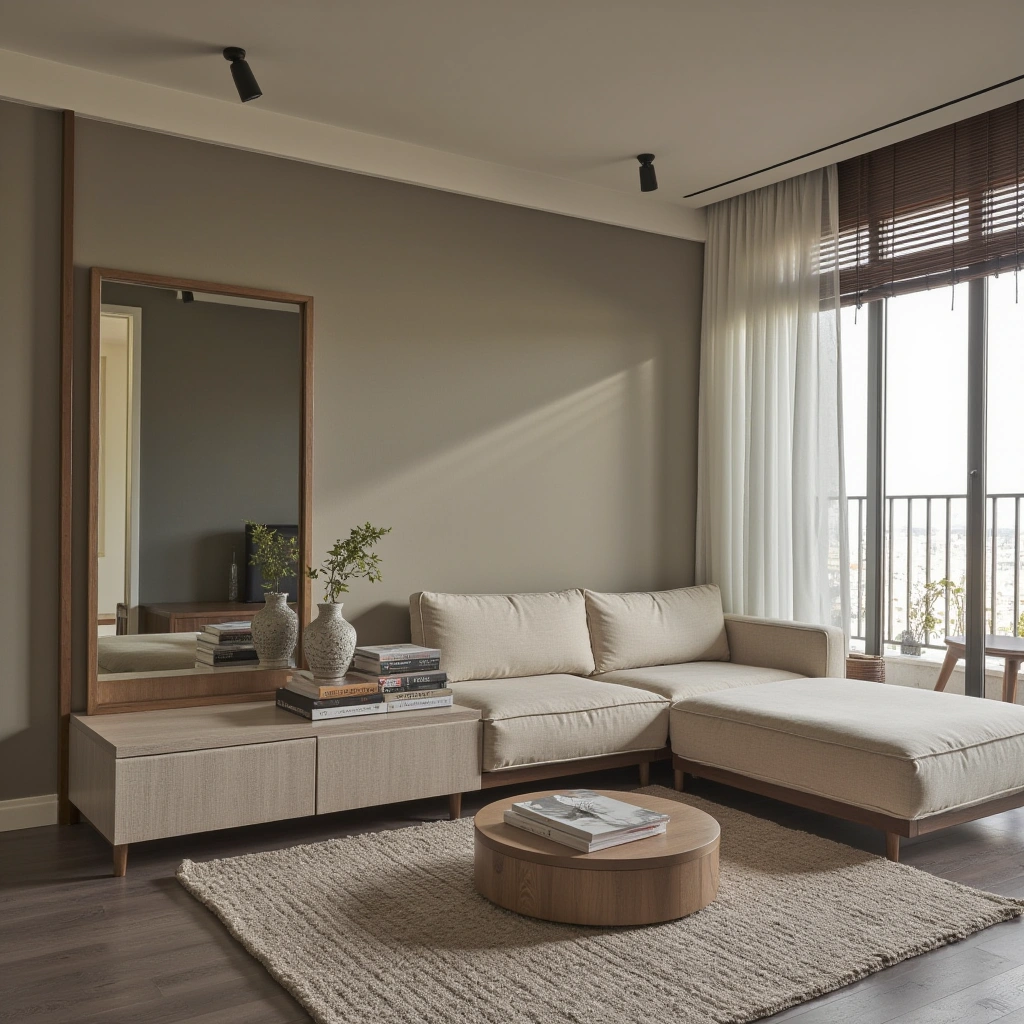
Transforming your small living room into a minimalist haven is achievable with the right design principles and practical tips. By embracing a neutral color palette, investing in multifunctional furniture, and incorporating hidden storage solutions, you can create a spacious, clutter-free environment. Don’t forget to add personal touches and minimalist decor to make the room feel like your own. With these 14 minimalist living room ideas for small spaces, you’re well on your way to creating a serene and inviting space that reflects your unique style. Remember, the key to minimalist design is simplicity, functionality, and elegance, so keep it minimalist.
