

Ever wondered how to create a sleek and functional living room that reflects your personal style? You’re in the right place. We’ve gathered the best minimalist living room ideas tailored just for men. Let’s dive in and transform your space into a modern, clutter-free oasis.
So, what are the key elements of a minimalist living room for men? A minimalist living room for men focuses on clean lines, neutral colors, and functional furniture. It emphasizes simplicity and practicality, creating a space that is both stylish and easy to maintain. Key elements include a clutter-free environment, strategic use of lighting, and a balance between form and function.
Ready to dive deeper? Keep reading to discover 13 unique minimalist living room ideas that will inspire you to create a space that’s both stylish and functional.
Contents
- 1 Embracing Minimalism in Living Room Design
- 2 1. Neutral Color Palette
- 3 2. Functional Furniture
- 4 3. Strategic Lighting
- 5 4. Emphasize Negative Space
- 6 5. Clutter-Free Environment
- 7 6. Incorporate Natural Elements
- 8 7. Create a Focal Point
- 9 8. Use Symmetry
- 10 9. Add Texture
- 11 10. Cohesive Color Scheme
- 12 11. Incorporate Art
- 13 12. Use Mirrors
- 14 13. Comfortable Seating Area
- 15 Conclusion
Embracing Minimalism in Living Room Design
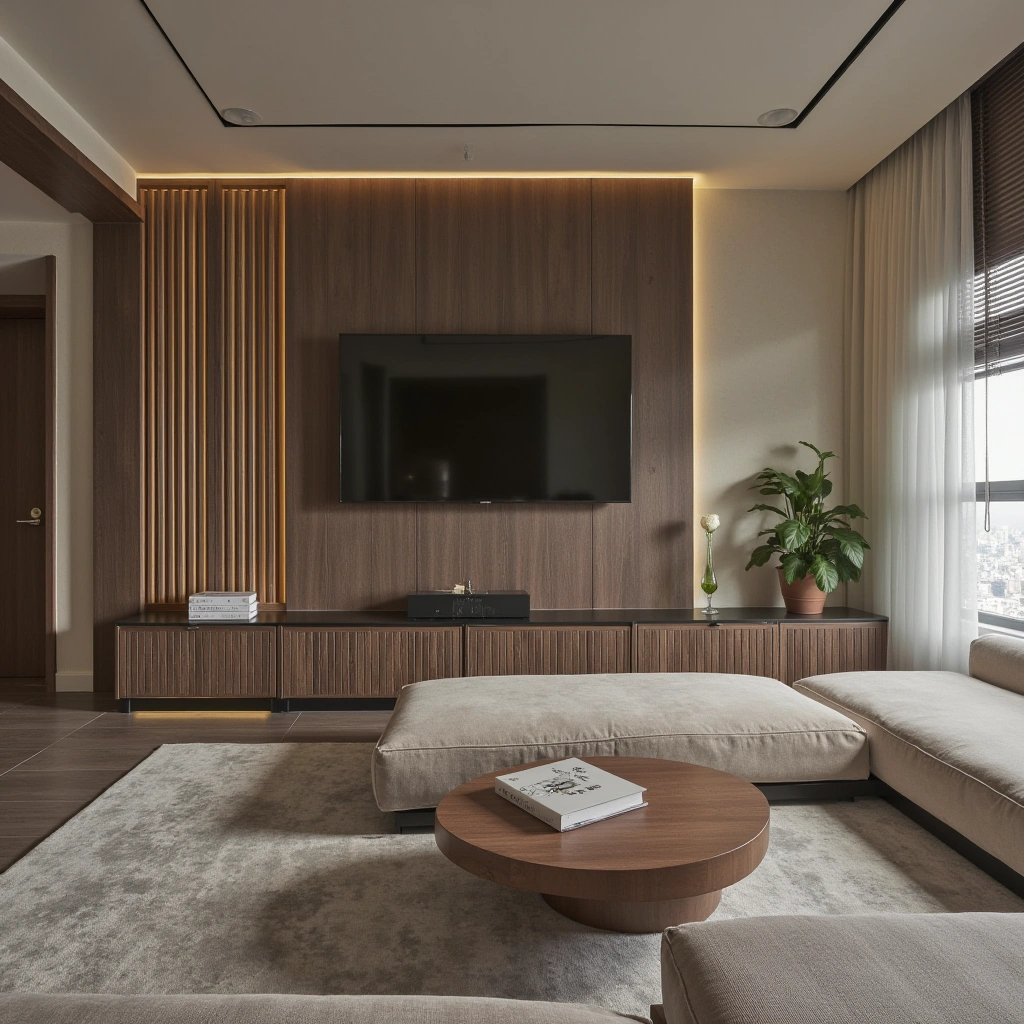
Minimalist living room ideas for men are all about creating a space that is both stylish and functional. By focusing on clean lines, neutral colors, and functional furniture, you can create a living room that is not only aesthetically pleasing but also easy to maintain. Whether you’re looking to declutter your space or simply want a fresh start, these ideas will help you achieve the perfect minimalist living room.
1. Neutral Color Palette
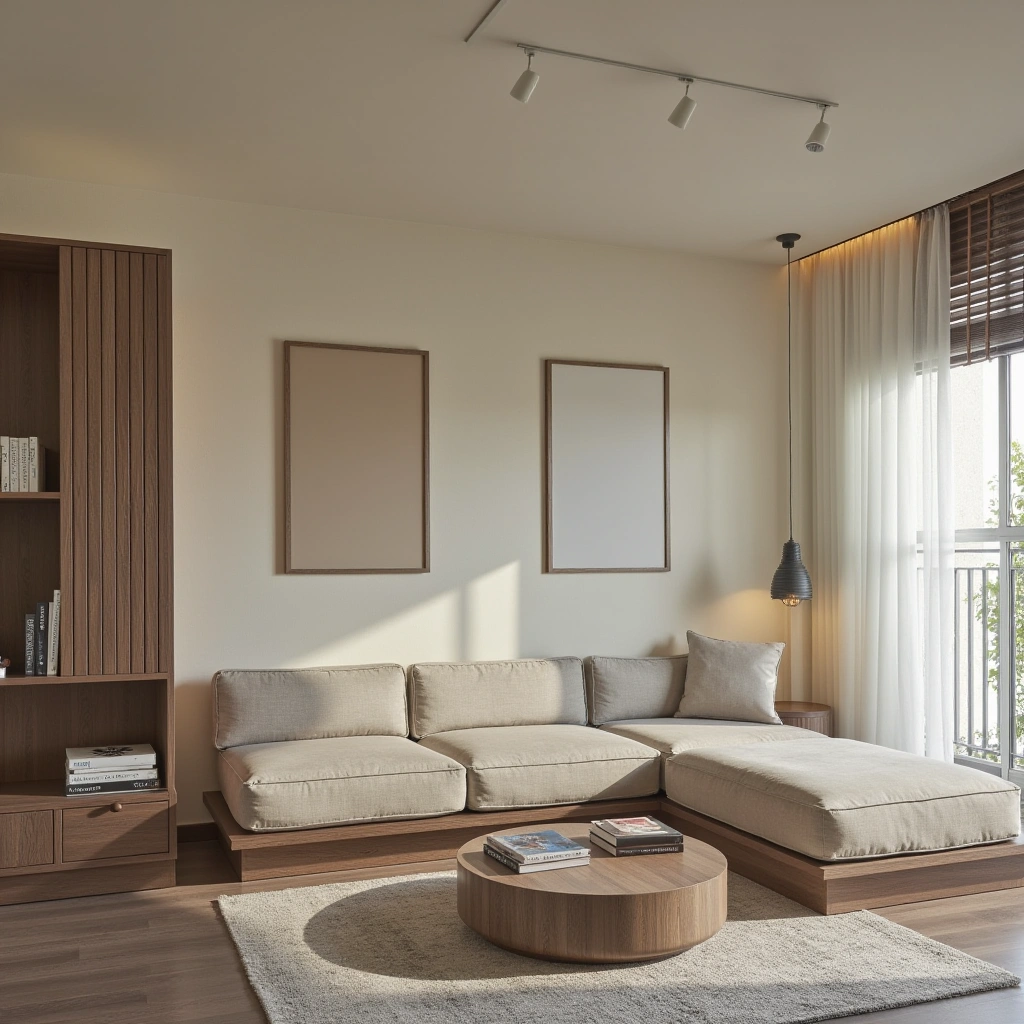
Starting with a neutral color palette is a foolproof way to achieve a minimalist look. Opt for shades of white, grey, and beige for your walls, furniture, and decor. These colors create a calming atmosphere and make the room feel more spacious. Add a pop of color with a single accent piece, like a vibrant throw pillow or a bold artwork, to keep the space from feeling too bland.
Implementation Tips:
- Choose furniture in neutral tones to maintain a cohesive look.
- Use textures like wood, metal, and fabric to add depth without overwhelming the space.
- Incorporate plants to bring a touch of nature and freshness to the room.
Suitability: This design works well in modern and contemporary homes, as well as in smaller apartments where space is a premium.
Let’s move on to the next idea, which focuses on the importance of functional furniture.
2. Functional Furniture
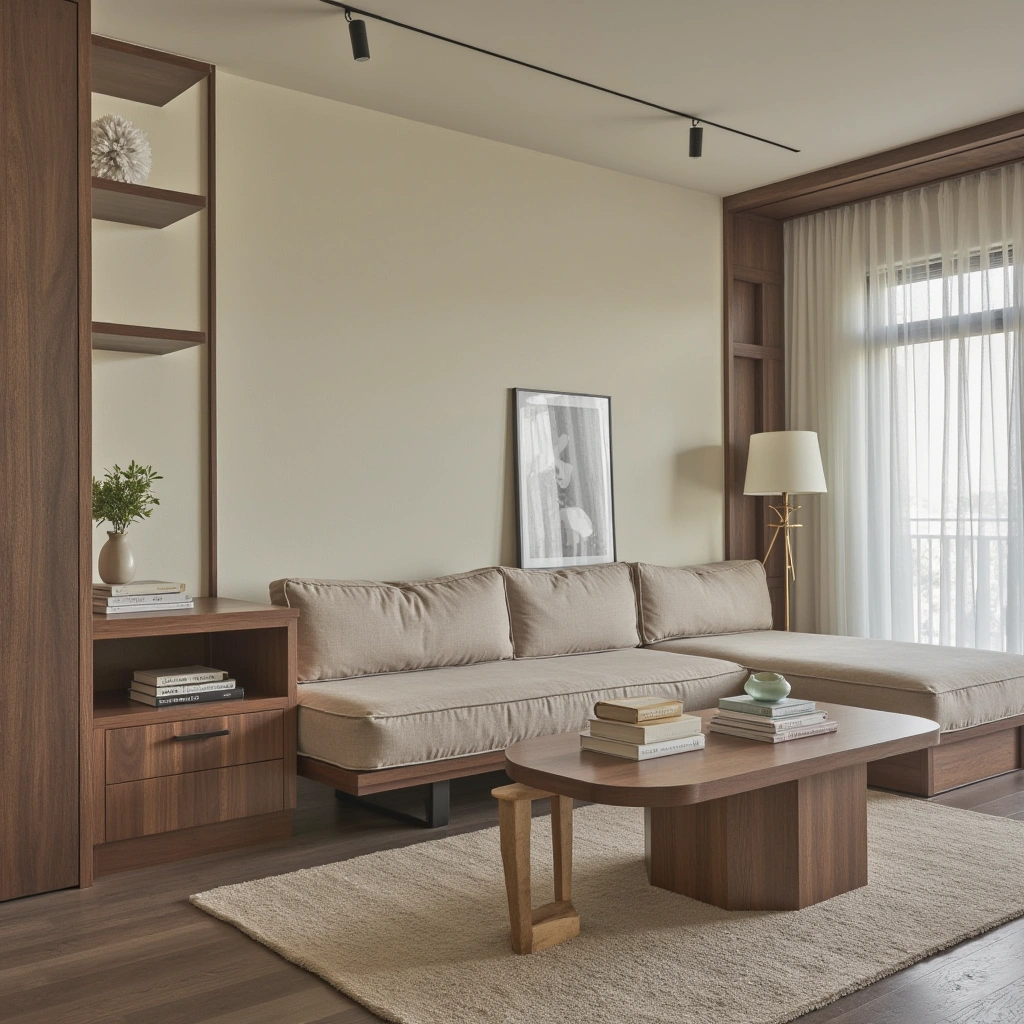
In a minimalist living room, every piece of furniture should serve a purpose. Invest in multi-functional pieces like a coffee table with built-in storage or a sofa that converts into a bed. This not only saves space but also keeps the room clutter-free. Opt for clean, simple lines in your furniture to maintain the minimalist aesthetic.
Implementation Tips:
- Choose a sofa with hidden storage for blankets and pillows.
- Use a wall-mounted TV stand to save floor space.
- Incorporate a bookshelf that doubles as a room divider.
Suitability: This design is perfect for small apartments and modern homes where space optimization is key.
Next, let’s talk about the role of lighting in a minimalist living room.
3. Strategic Lighting

Lighting plays a crucial role in any minimalist living room. Use a combination of natural and artificial light to create a bright and airy space. Opt for sleek, modern fixtures that blend seamlessly with the decor. Floor lamps, table lamps, and pendant lights can add both style and functionality to your living room.
Implementation Tips:
- Use dimmer switches to control the lighting intensity.
- Place lamps strategically to highlight specific areas of the room.
- Incorporate smart lighting solutions for convenience and energy efficiency.
Suitability: This design works well in both modern and traditional homes, adding a touch of elegance and functionality.
Let’s explore how to use negative space effectively.
4. Emphasize Negative Space
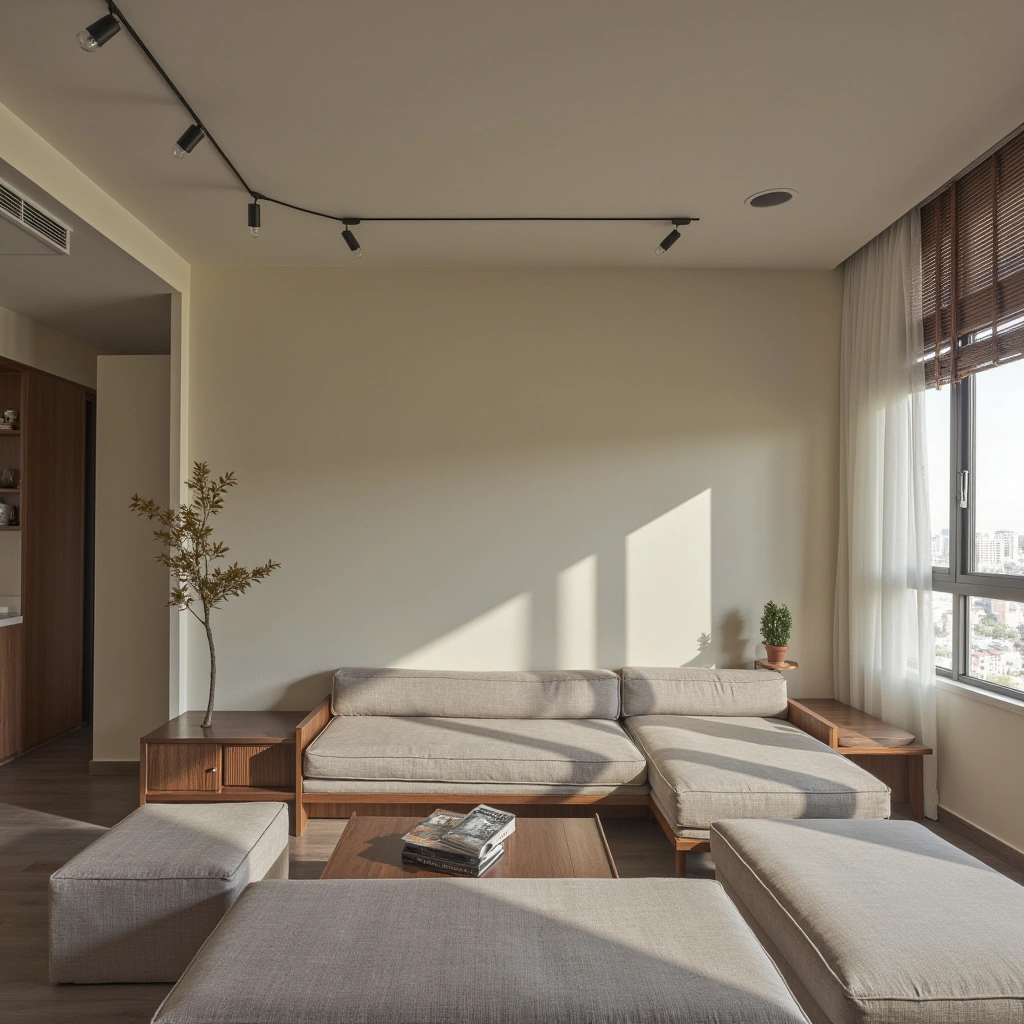
Negative space is the area around and between the subjects of an image. In a minimalist living room, it’s the empty space that allows the eye to rest. Arrange your furniture in a way that creates plenty of negative space, making the room feel more open and inviting. Avoid overcrowding the room with too many pieces.
Implementation Tips:
- Leave ample space between furniture pieces.
- Use wall art sparingly to avoid visual clutter.
- Opt for a minimalist color palette to emphasize the negative space.
Suitability: This design is ideal for modern and contemporary homes, as well as small apartments.
Next, let’s discuss the importance of a clutter-free environment.
5. Clutter-Free Environment
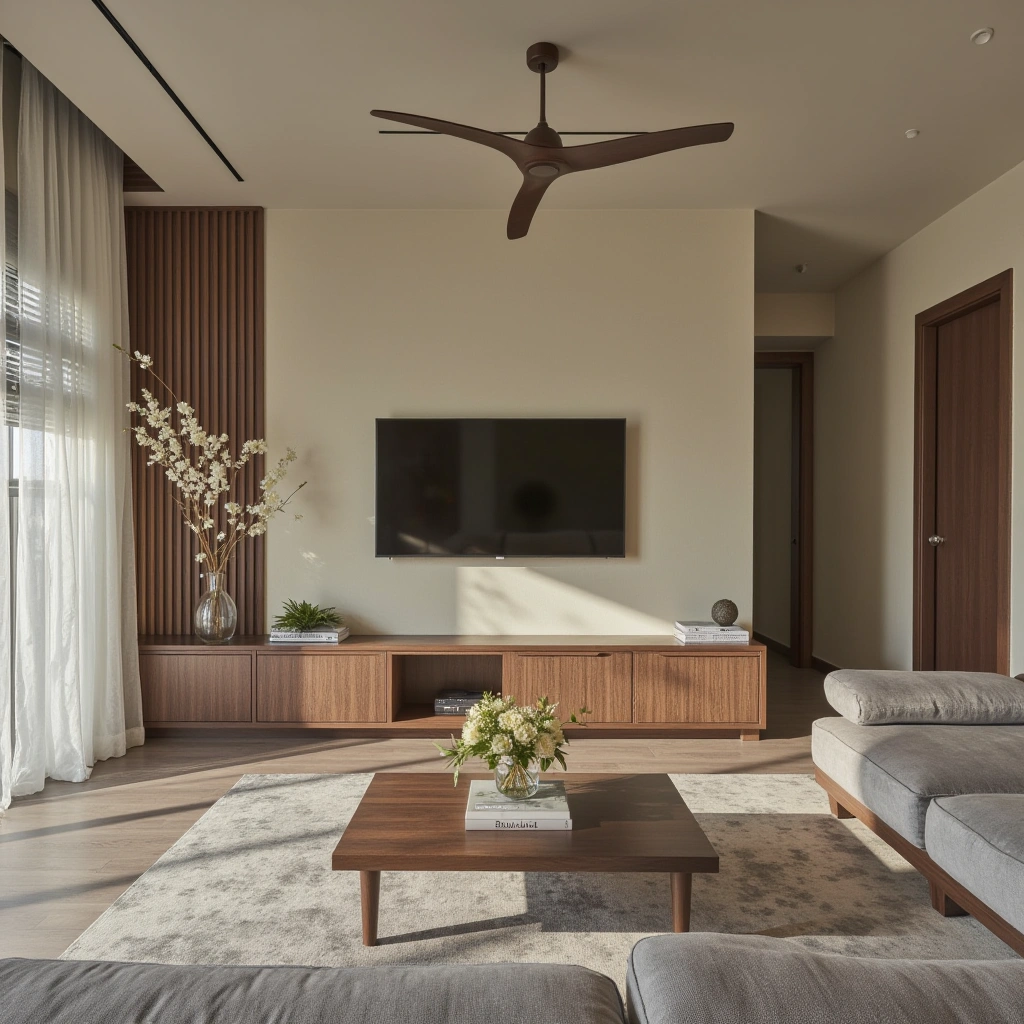
A clutter-free environment is essential for a minimalist living room. Keep surfaces clear and organized, and use storage solutions to hide away items that are not in use. This not only makes the room look neater but also creates a more relaxing atmosphere.
Implementation Tips:
- Use baskets and bins to store small items.
- Invest in a coffee table with built-in storage.
- Regularly declutter and donate items you no longer need.
Suitability: This design is perfect for any home, regardless of size or style.
Let’s move on to the role of natural elements in a minimalist living room.
6. Incorporate Natural Elements
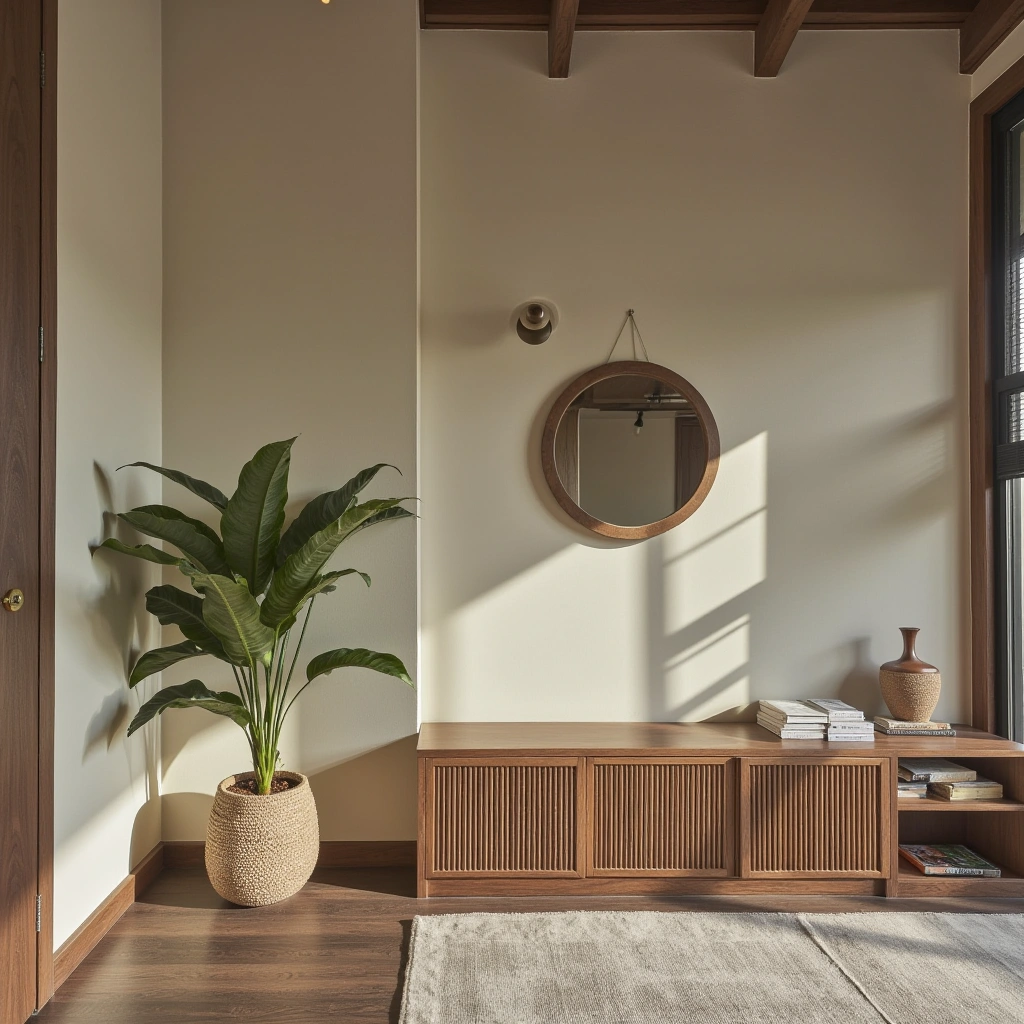
Incorporating natural elements like wood, stone, and plants can add warmth and texture to a minimalist living room. Opt for furniture made from natural materials and add a few potted plants to bring a touch of nature indoors. This creates a balanced and harmonious space.
Implementation Tips:
- Use a wooden coffee table or side table.
- Add a stone accent wall or fireplace.
- Incorporate plants that are easy to care for, like succulents or snake plants.
Suitability: This design works well in both modern and traditional homes, adding a touch of nature and warmth.
Next, let’s talk about the importance of a focal point.
7. Create a Focal Point
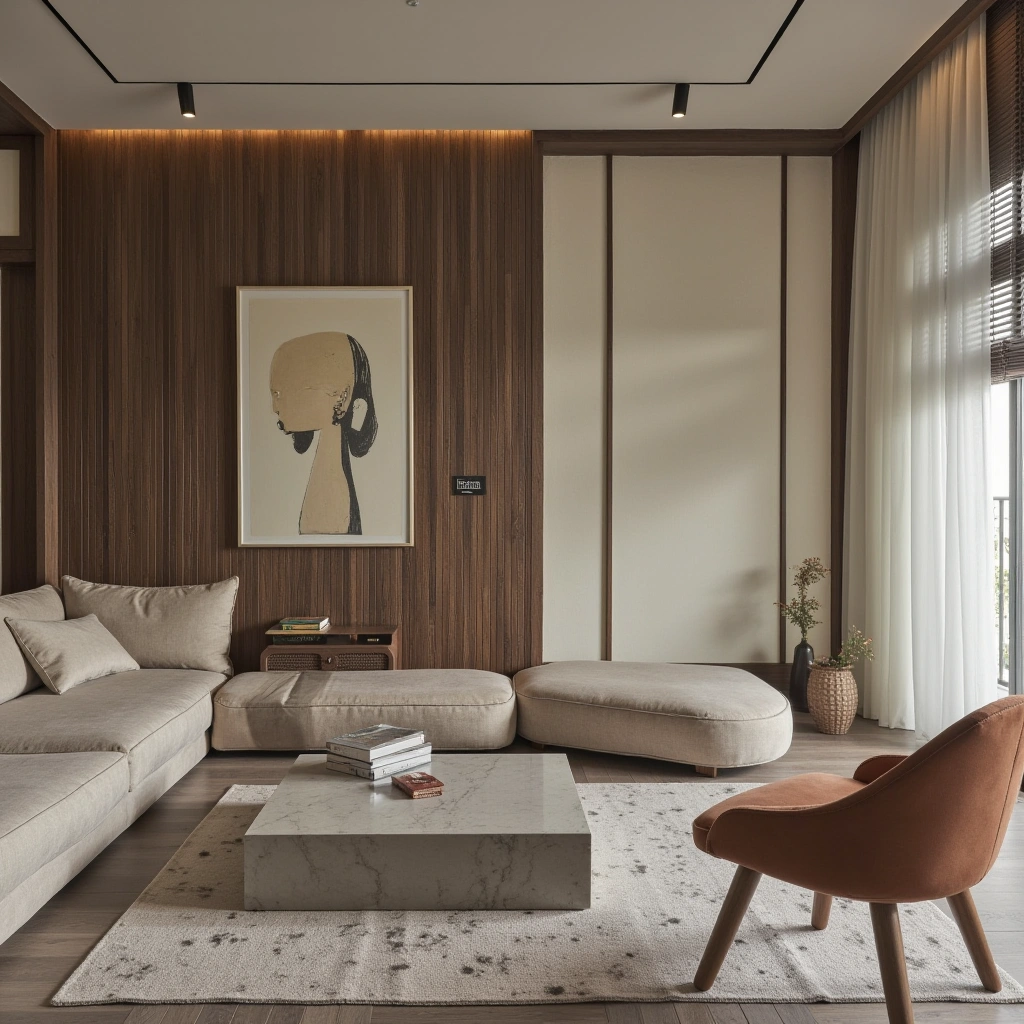
Every minimalist living room needs a focal point to draw the eye in. This could be a statement piece of art, a unique furniture item, or a striking architectural feature. Choose one element to be the star of the show and keep the rest of the decor simple and understated.
Implementation Tips:
- Hang a large piece of artwork on the wall.
- Use a bold area rug to define the space.
- Incorporate a statement lighting fixture.
Suitability: This design is ideal for modern and contemporary homes, as well as larger living rooms.
Let’s explore how to use symmetry in your design.
8. Use Symmetry
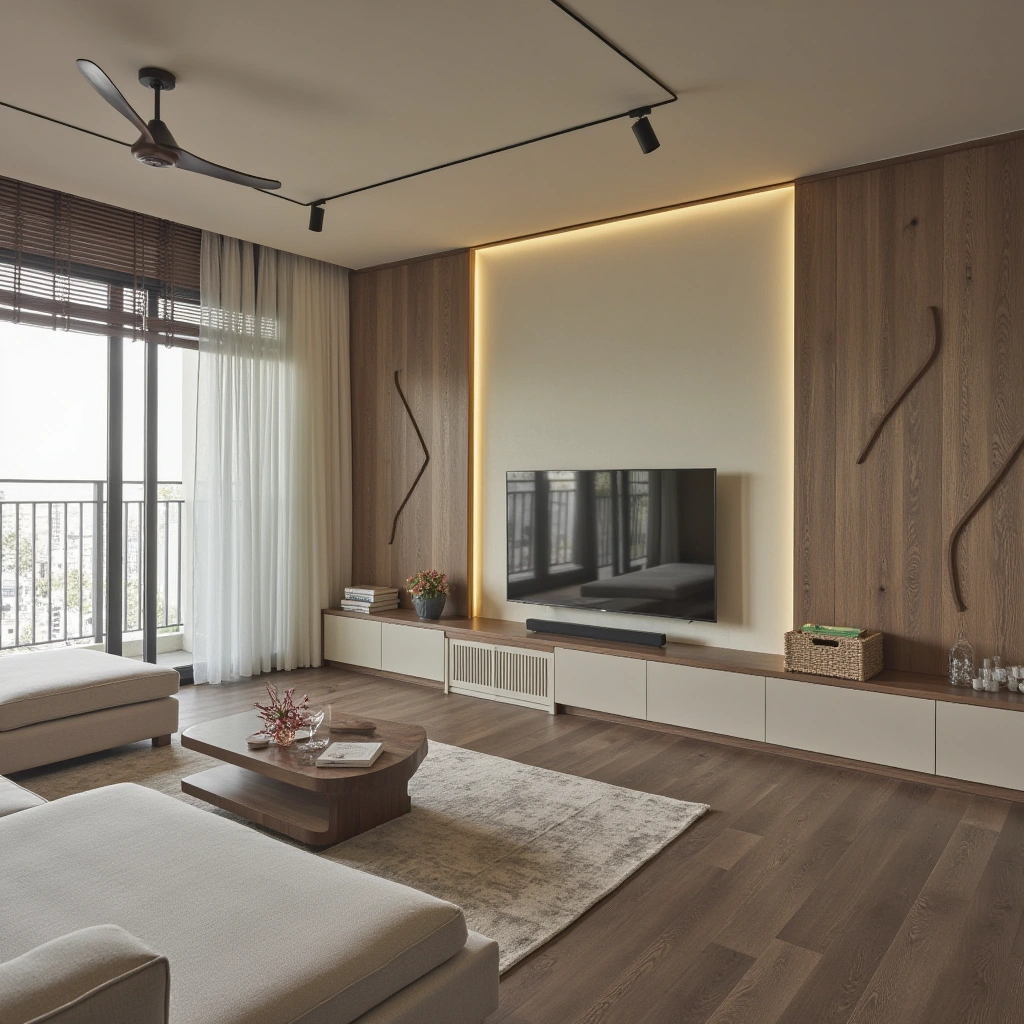
Symmetry creates a sense of balance and harmony in a minimalist living room. Arrange your furniture and decor in a way that creates a symmetrical layout. This can be achieved by placing identical items on either side of a central point, like a coffee table or a fireplace.
Implementation Tips:
- Place matching lamps on either side of the sofa.
- Use identical side tables on either end of the couch.
- Hang artwork in pairs or sets of three.
Suitability: This design works well in both modern and traditional homes, adding a touch of elegance and balance.
Next, let’s discuss the role of texture in a minimalist living room.
9. Add Texture
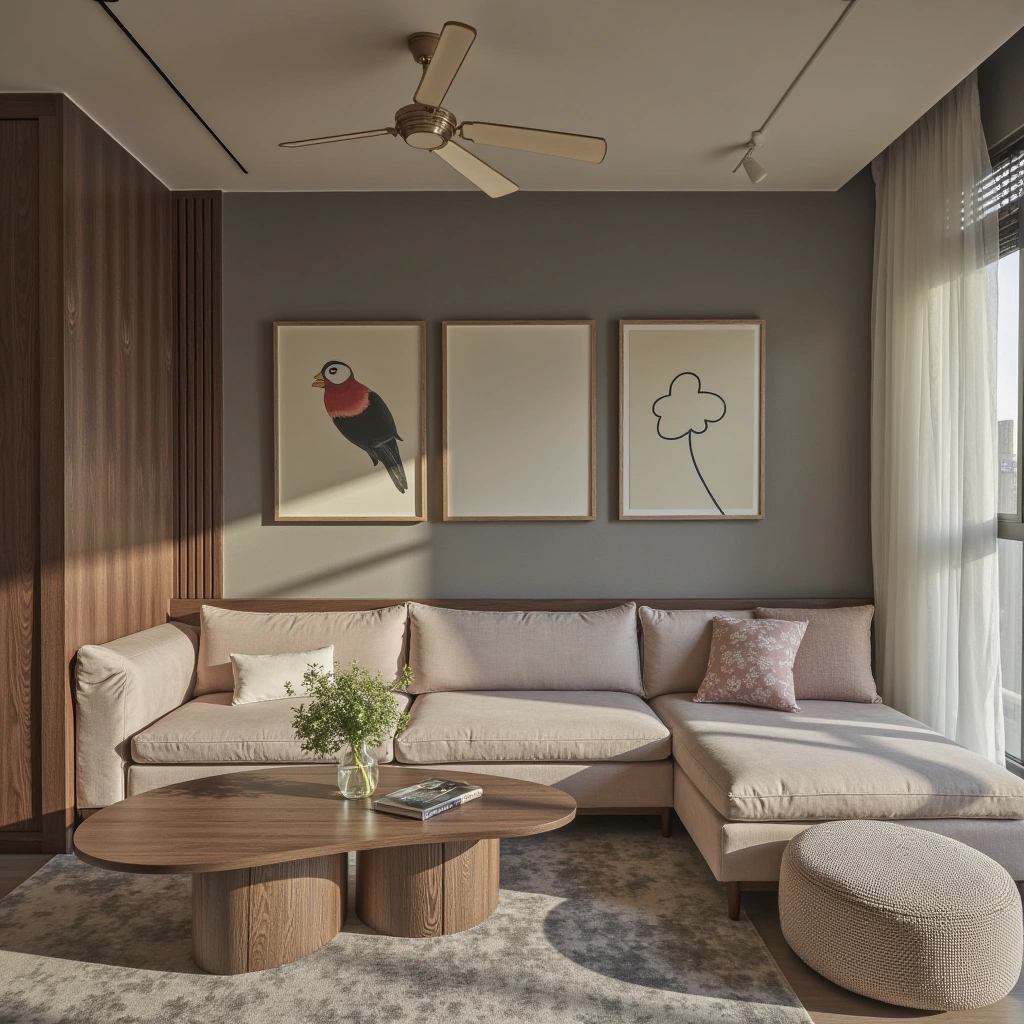
Texture adds depth and interest to a minimalist living room without overwhelming the space. Incorporate different textures through your furniture, decor, and accessories. This can be achieved through the use of fabrics, materials, and finishes.
Implementation Tips:
- Use a textured area rug to add warmth and depth.
- Incorporate velvet or leather upholstery for a luxe feel.
- Add throw pillows and blankets in different textures.
Suitability: This design is perfect for any home, regardless of size or style.
Let’s move on to the importance of a cohesive color scheme.
10. Cohesive Color Scheme
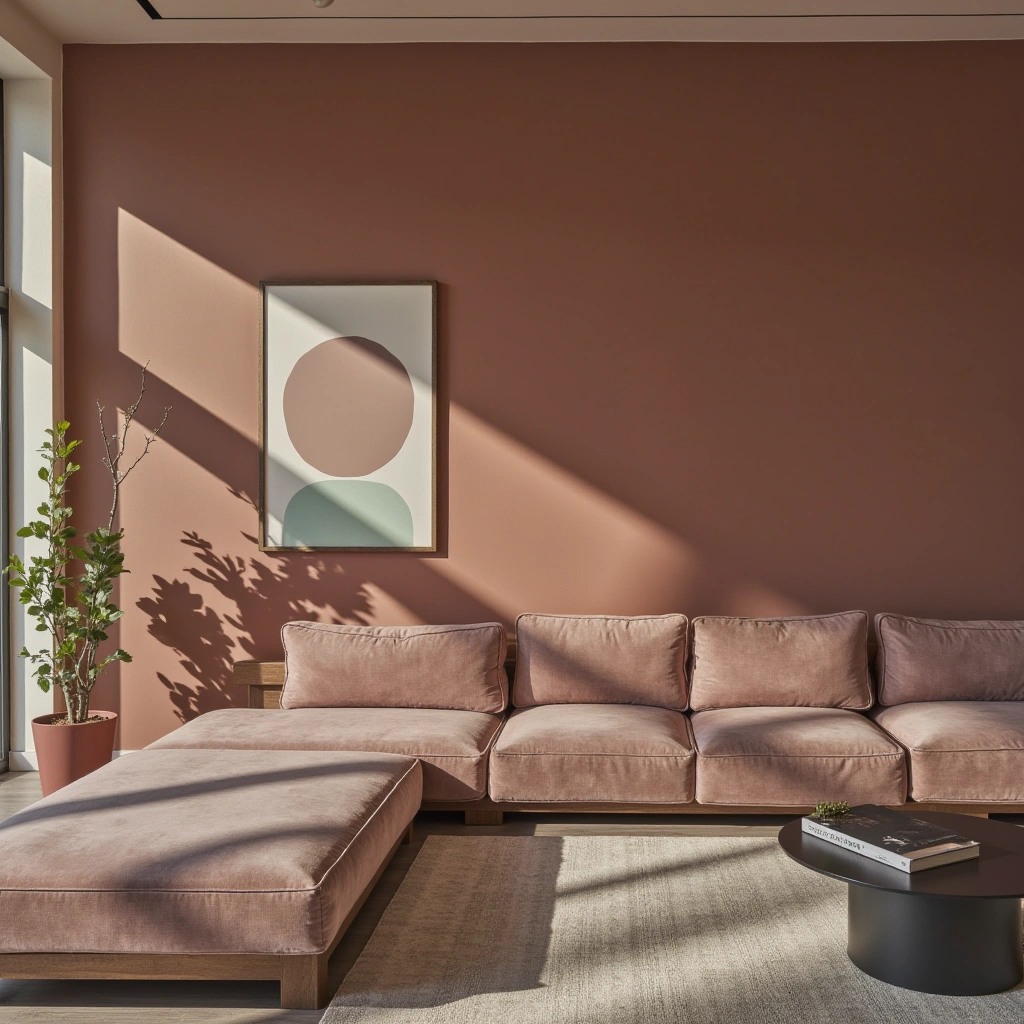
A cohesive color scheme is essential for a minimalist living room. Stick to a limited color palette and use shades that complement each other. This creates a harmonious and visually appealing space. Opt for neutral tones with a pop of color for added interest.
Implementation Tips:
- Choose a primary color and use different shades of it throughout the room.
- Use accent colors sparingly to avoid visual clutter.
- Incorporate metallic accents for a touch of elegance.
Suitability: This design works well in both modern and traditional homes, adding a touch of sophistication.
Next, let’s talk about the role of art in a minimalist living room.
11. Incorporate Art
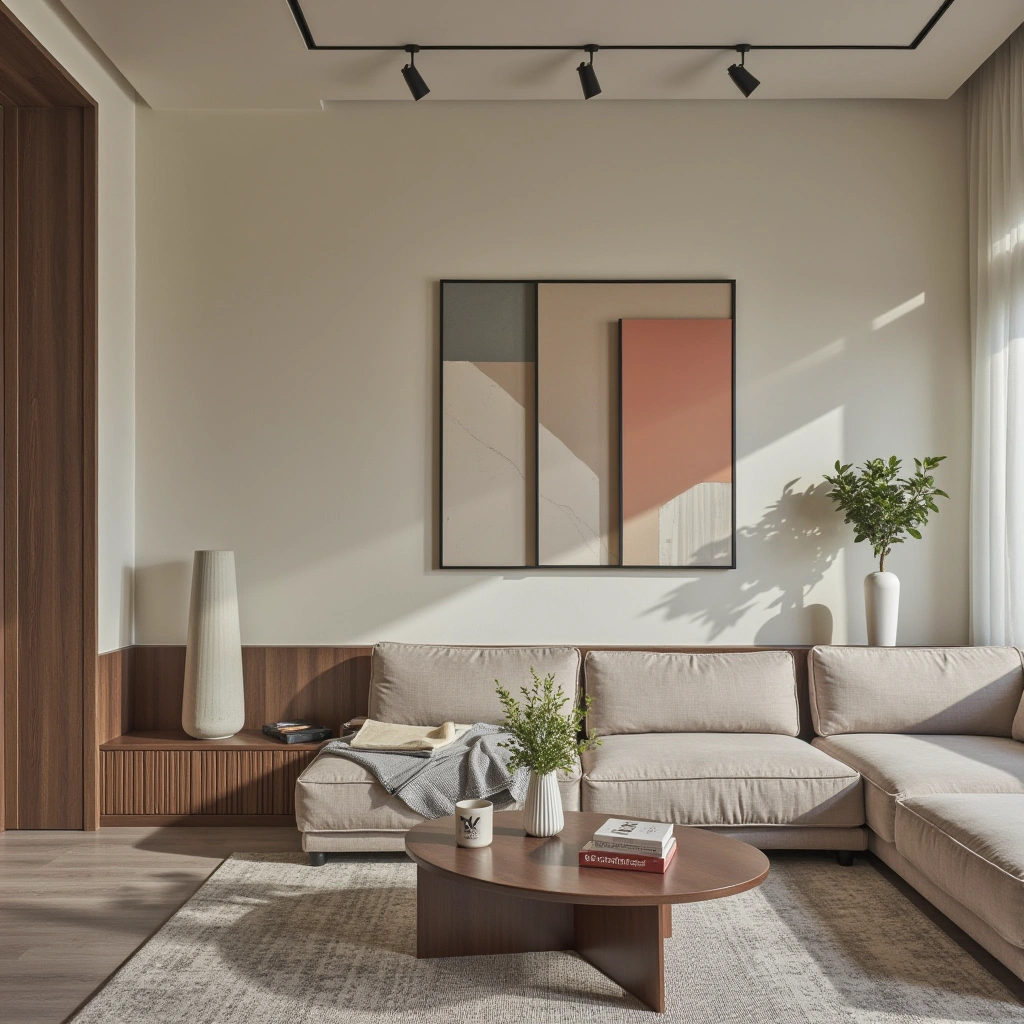
Art can add a personal touch and a pop of color to a minimalist living room. Choose pieces that reflect your style and complement the overall decor. Opt for simple, clean frames and avoid overcrowding the walls with too many pieces.
Implementation Tips:
- Hang a single statement piece on the wall.
- Use a gallery wall with matching frames.
- Incorporate sculptures or decorative objects for added dimension.
Suitability: This design is ideal for modern and contemporary homes, as well as larger living rooms.
Let’s explore how to use mirrors to create the illusion of space.
12. Use Mirrors
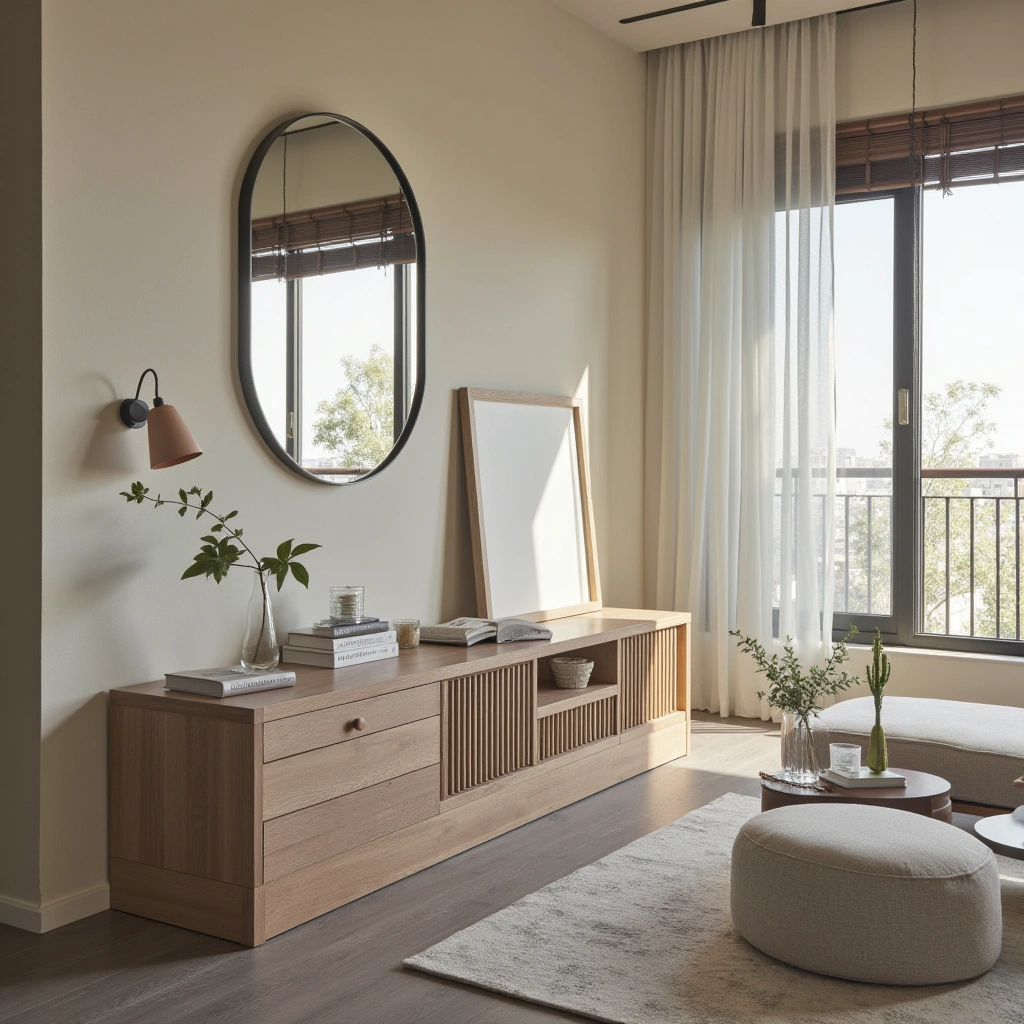
Mirrors can create the illusion of space in a minimalist living room, making it feel larger and more open. Place a large mirror on the wall opposite a window to reflect natural light and brighten up the room. This not only adds a decorative element but also serves a functional purpose.
Implementation Tips:
- Use a full-length mirror to create a focal point.
- Incorporate a gallery wall of mirrors for added interest.
- Place a mirror above the fireplace or on a console table.
Suitability: This design works well in both modern and traditional homes, adding a touch of elegance and functionality.
Finally, let’s discuss the importance of a comfortable seating area.
13. Comfortable Seating Area
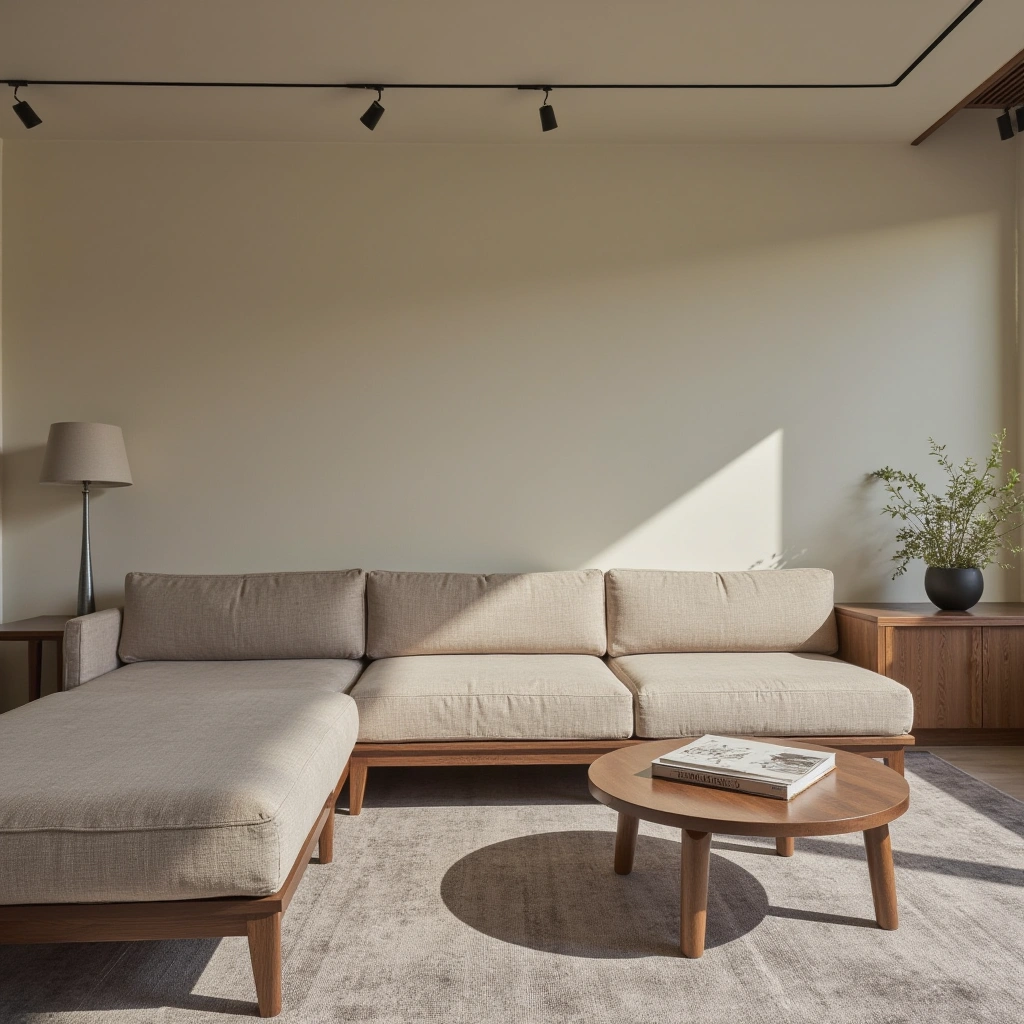
A comfortable seating area is essential for a minimalist living room. Opt for a sofa or sectional that is both stylish and comfortable. Add a few accent chairs or a ottoman for added seating and flexibility. This creates a inviting and relaxing space for you and your guests.
Implementation Tips:
- Choose a sofa with clean lines and a neutral color.
- Add throw pillows and a blanket for added comfort.
- Incorporate a coffee table for convenience and functionality.
Suitability: This design is perfect for any home, regardless of size or style.
Conclusion
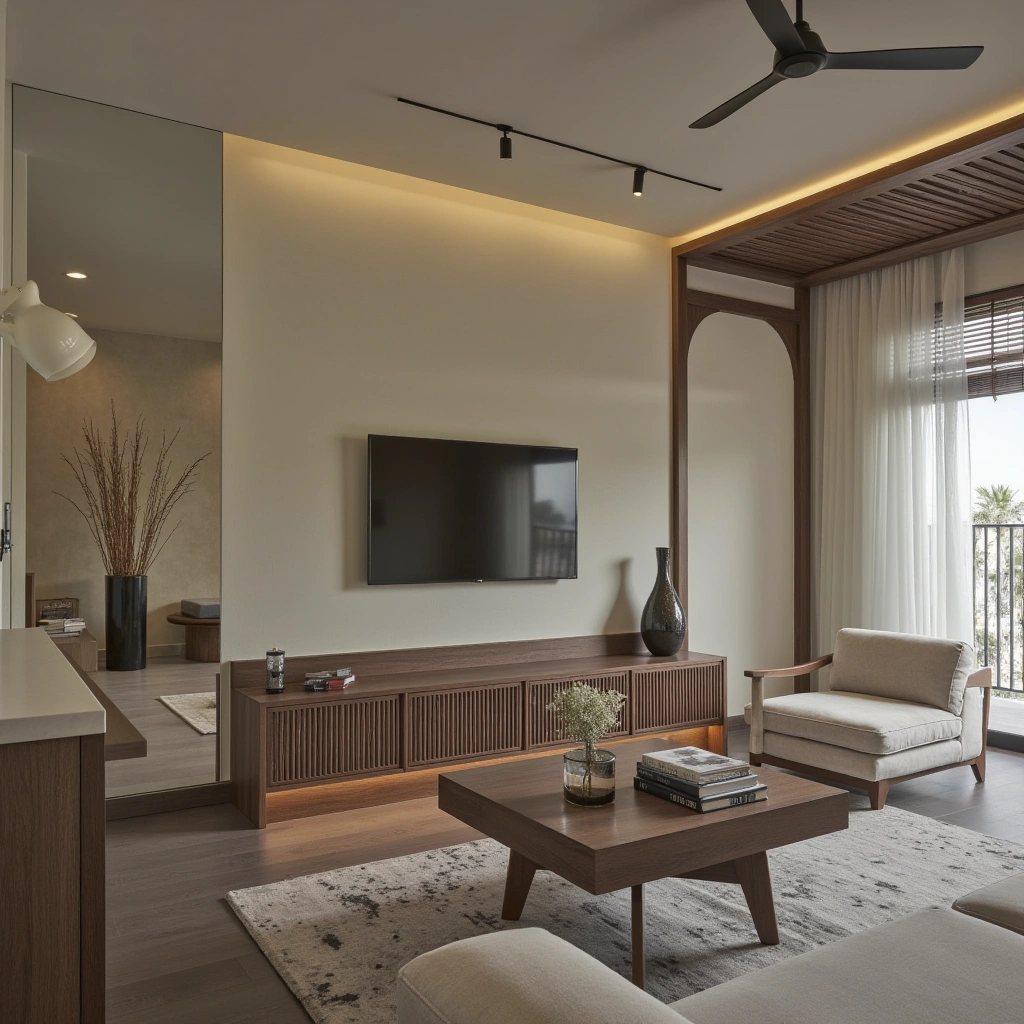
Creating a minimalist living room for men is all about balancing style and functionality. By focusing on a neutral color palette, functional furniture, and strategic lighting, you can create a space that is both aesthetically pleasing and easy to maintain. Remember to emphasize negative space, incorporate natural elements, and add a personal touch with art and decor. With these 13 minimalist living room ideas, you’re well on your way to creating the perfect space that reflects your personal style.
Minimalist living room ideas for men offer a sleek and functional approach to interior design, making your space both stylish and practical.
