

Welcome to our comprehensive guide on tiny house living room ideas! We understand the unique challenges and rewards of designing a small space, and we’re here to provide you with the most creative and practical solutions. If you’re wondering how to make the most of your tiny living room, the answer lies in clever furniture selection, strategic color schemes, and multifunctional decorative elements. Read on to discover innovative ideas that will transform your small space into a cozy and inviting sanctuary.
So, how can you make a tiny house living room feel spacious and inviting? The key is to focus on multifunctional furniture, light color schemes, and smart storage solutions. By carefully selecting pieces that serve multiple purposes and using colors that reflect light, you can create a living room that feels both cozy and spacious.
Intrigued? Keep reading to find out how you can implement these ideas in your own tiny house living room and make it a place you’ll love to spend time in.
Contents
- 1 The Art of Multifunctional Furniture
- 2 Utilizing Vertical Space
- 3 Light and Bright Color Schemes
- 4 Smart Storage Solutions
- 5 Mirrors and Reflections
- 6 Layering Textures
- 7 Creative Lighting Solutions
- 8 Bringing Nature Indoors
- 9 Personal Touches
- 10 Cohesive Color Palette
- 11 Well-Defined Layout
- 12 Statement Piece
- 13 Minimalist Approach
- 14 Cozy Nook
- 15 Well-Curated Bookshelf
- 16 Conclusion
The Art of Multifunctional Furniture
One of the best ways to maximize space in a tiny house living room is by investing in multifunctional furniture. Pieces that serve dual purposes, such as a sofa bed or a coffee table with built-in storage, can significantly enhance the functionality of your space. For example, a sofa bed can serve as a comfortable seating area during the day and transform into a cozy sleeping space at night. Additionally, a coffee table with shelving or drawers can provide extra storage for books, remotes, and other essentials.
When selecting furniture, opt for pieces with clean lines and a compact design. This will help maintain an open and airy feel in your living room. Neutral colors like beige, gray, and white can also contribute to a more spacious atmosphere. These colors reflect light, making the room feel brighter and more expansive.
To implement this idea, start by measuring your living room and creating a floor plan. This will help you determine the best layout for your furniture and ensure that everything fits perfectly. Consider the flow of the room and how you can arrange furniture to create a seamless transition from one area to another.
This design approach is particularly suitable for modern and minimalist home styles, where simplicity and functionality are key. However, it can also work well in traditional settings with the right choice of materials and finishes.
Transitioning to our next idea, let’s explore how vertical space can be utilized to create a more functional living room.
Utilizing Vertical Space
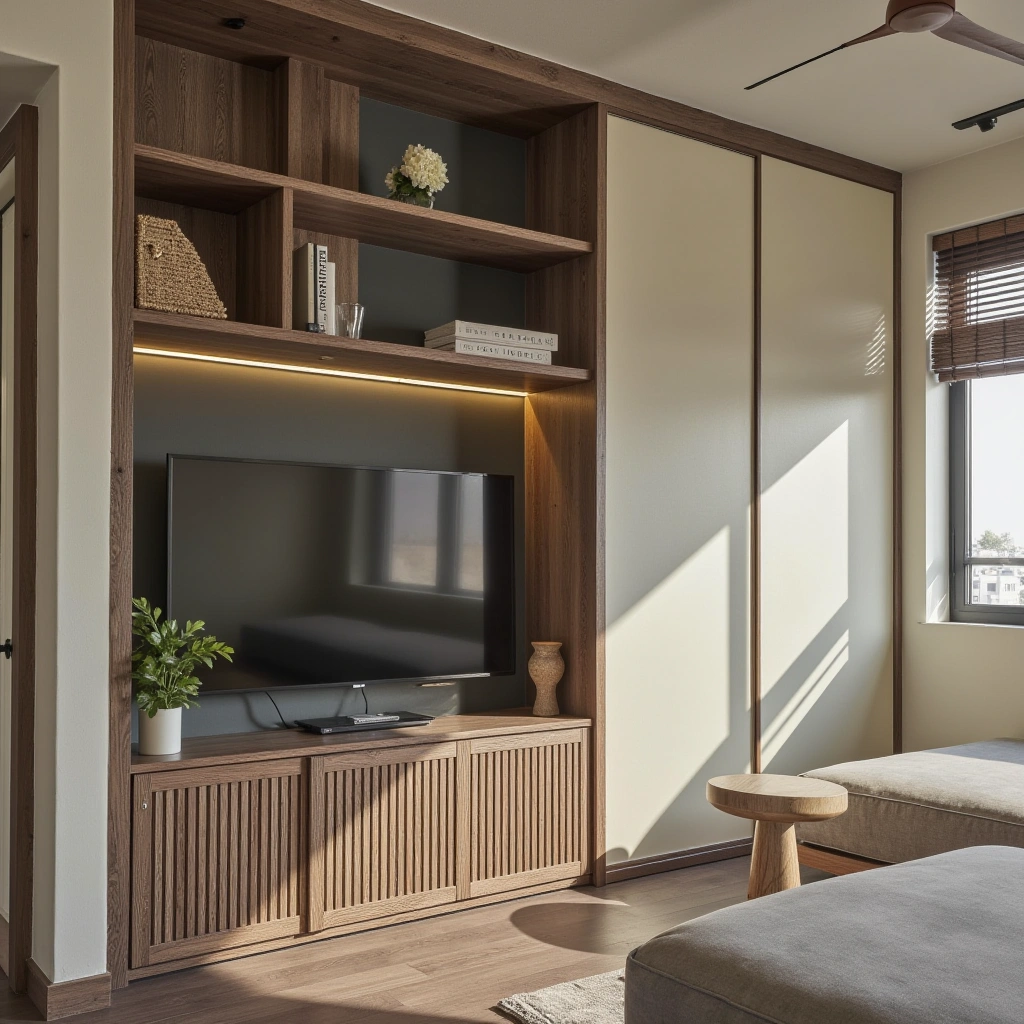
Making the most of vertical space is crucial in a tiny house living room. By taking advantage of the walls and ceiling, you can create additional storage and display areas without sacrificing floor space. One effective way to do this is by installing floating shelves or wall-mounted cabinets. These can be used to store books, decorative items, and other essentials, keeping the floor clear and creating a more organized look.
Another great idea is to hang artwork or photographs at eye level. This not only adds a personal touch to your living room but also draws the eye upward, making the room feel taller. You can also consider installing a wall-mounted TV to save space and create a clean, uncluttered look.
When implementing this idea, be sure to use sturdy hardware and secure your shelves and cabinets to the wall. This will ensure that they are safe and stable, especially if you plan to store heavier items. Additionally, consider the weight and distribution of your wall-mounted items to maintain a balanced and harmonious look.
This design approach works well in contemporary and industrial home styles, where clean lines and functional design are prioritized. However, it can also be adapted to more traditional settings with the use of ornate shelving and decorative accents.
Next, let’s dive into the world of color and how it can transform your tiny house living room.
Light and Bright Color Schemes
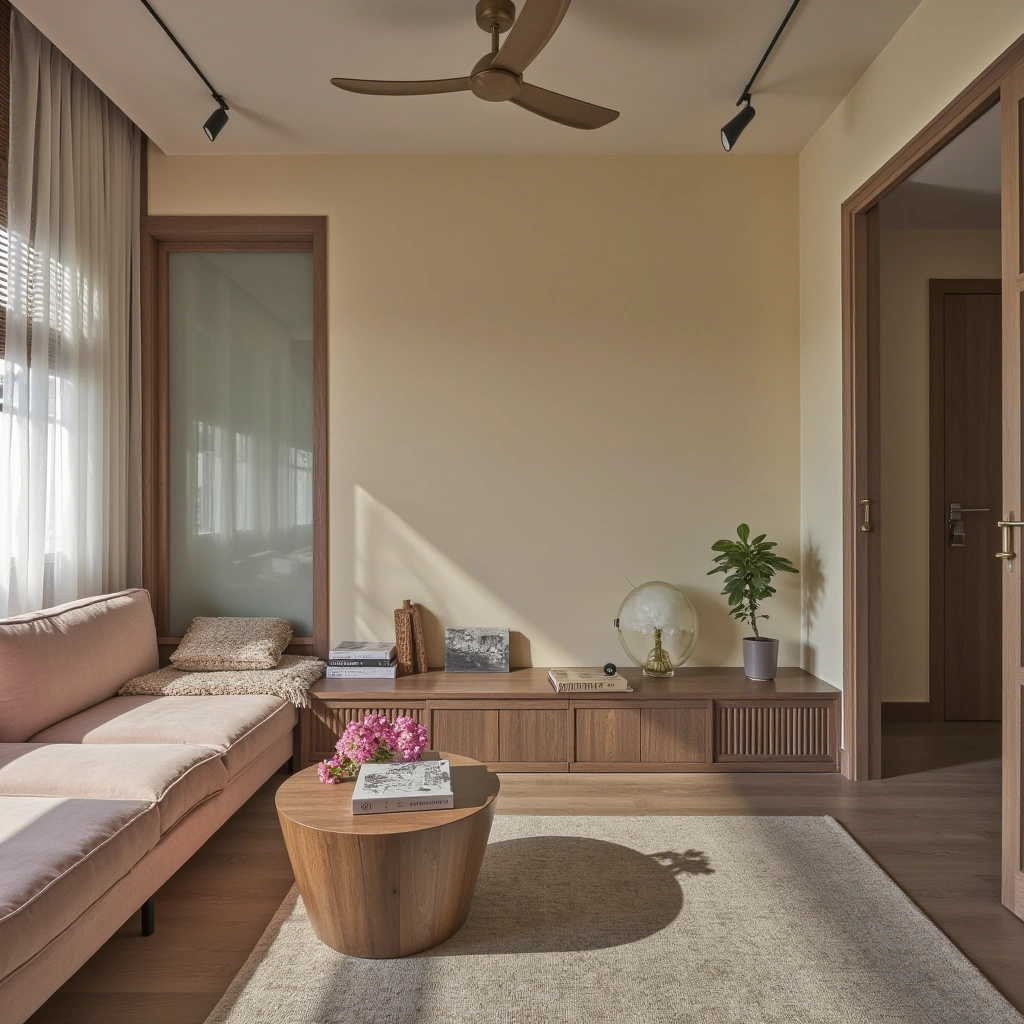
Color plays a significant role in how a space is perceived, and this is especially true in a tiny house living room. Opting for a light and bright color scheme can make your living room feel more spacious and inviting. Light colors reflect natural light, creating a brighter and more open atmosphere. Consider using shades of white, beige, and light gray on the walls, and complement them with neutral-toned furniture and decor.
To add a pop of color without overwhelming the space, incorporate accent pieces in vibrant hues. For example, you can use colorful throw pillows, artwork, or decorative accessories to add visual interest and personality to your living room. Just be sure to keep the overall color palette cohesive and balanced to maintain a harmonious look.
When implementing this idea, start by selecting a base color for your walls and larger furniture pieces. Then, choose complementary colors for your accent pieces and decor. Consider the mood you want to create in your living room and choose colors that evoke that feeling. For example, cool colors like blue and green can create a calming and serene atmosphere, while warm colors like orange and red can add energy and warmth.
This design approach is versatile and can be adapted to various home styles, from modern and minimalist to traditional and eclectic. The key is to choose colors that reflect your personal style and create the desired ambiance in your living room.
Moving on, let’s explore how smart storage solutions can help you keep your tiny house living room organized and clutter-free.
Smart Storage Solutions
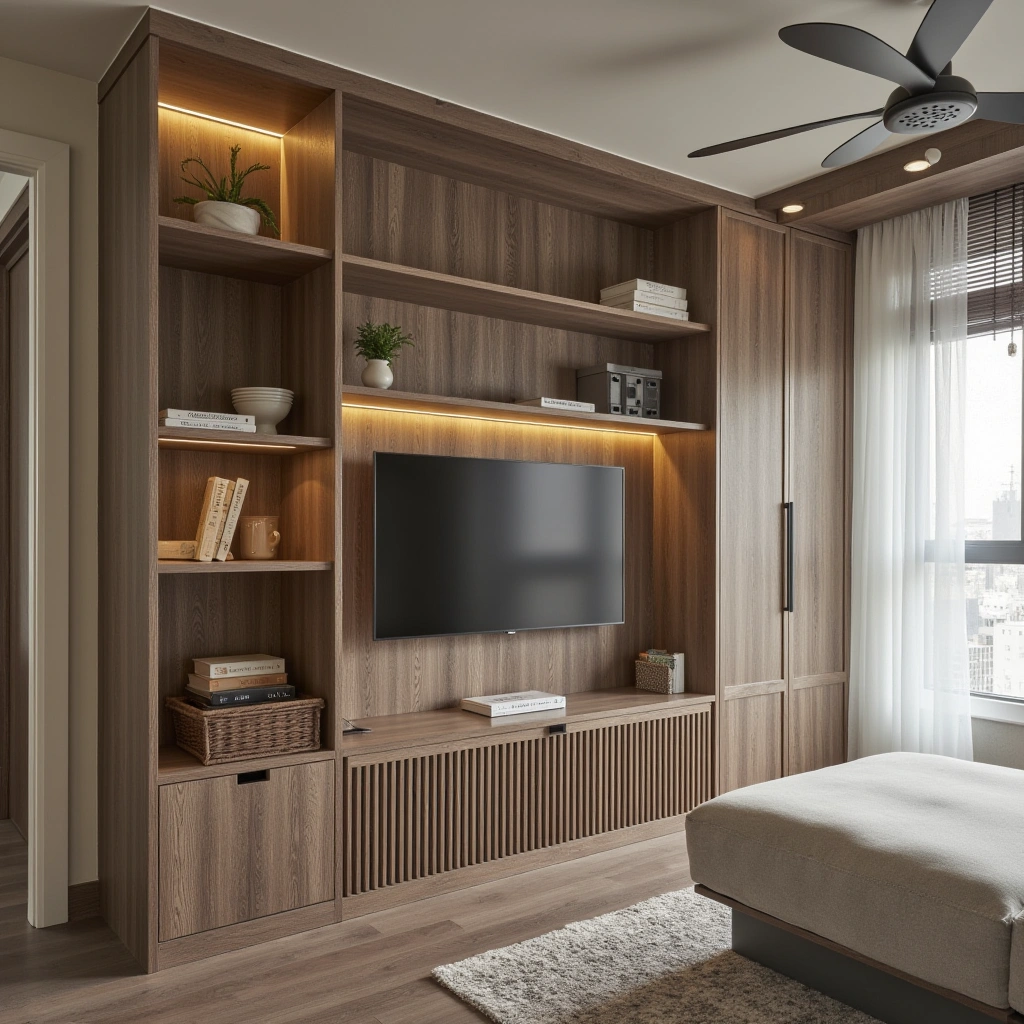
In a tiny house living room, every inch of space counts, and smart storage solutions can make a world of difference. One effective way to maximize storage is by utilizing furniture with built-in storage, such as ottomans with internal compartments or coffee tables with shelves. These pieces not only provide additional storage but also serve as functional furniture, making them a great investment for small spaces.
Another clever storage idea is to use baskets and bins to organize and conceal clutter. Woven baskets can add a touch of natural texture to your living room, while fabric bins can be chosen to match your color scheme. Consider using these storage solutions to organize items like magazines, remotes, and other small essentials.
When implementing this idea, start by assessing your storage needs and identifying areas where you can incorporate additional storage. Look for furniture pieces that offer built-in storage and consider using decorative baskets and bins to keep your living room organized. Additionally, be sure to maintain a balance between functionality and aesthetics to create a cohesive and visually appealing look.
This design approach works well in modern and contemporary home styles, where clean lines and functional design are prioritized. However, it can also be adapted to more traditional settings with the use of ornate storage solutions and decorative accents.
Next, let’s discuss how mirrors can create the illusion of a larger and brighter living room.
Mirrors and Reflections
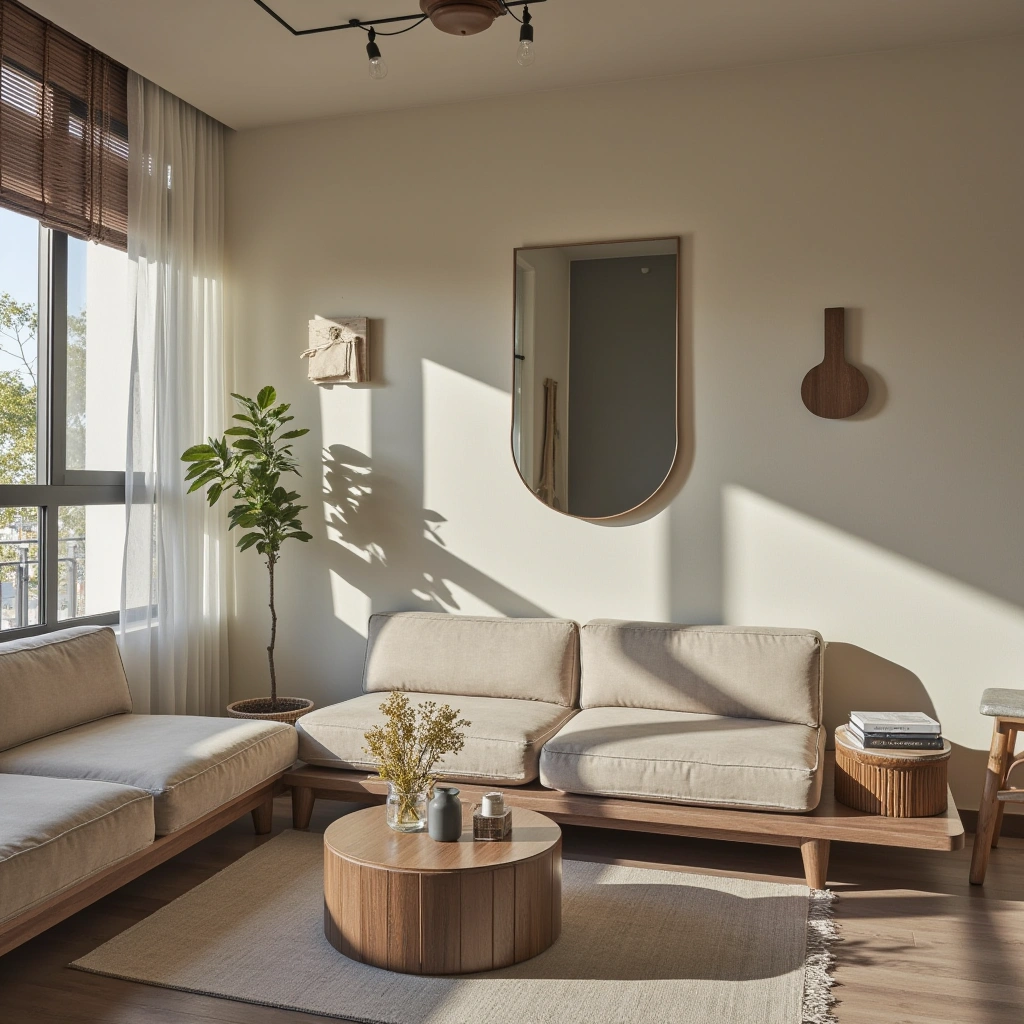
Mirrors are a powerful tool in small space design, as they can create the illusion of a larger and brighter living room. By strategically placing mirrors on the walls, you can reflect natural light and make your space feel more open and airy. Consider using a large mirror as a focal point in your living room, or group several smaller mirrors together to create a gallery wall effect.
Another effective way to use mirrors is by placing them opposite windows or other light sources. This will help maximize the amount of natural light in your living room, creating a brighter and more inviting atmosphere. You can also use mirrored furniture, such as a mirrored coffee table or side table, to add a touch of glamour and reflect even more light.
When implementing this idea, consider the size and shape of your mirrors, as well as their placement in the room. Large mirrors can create a dramatic effect, while smaller mirrors can be used to add visual interest and texture. Be sure to secure your mirrors to the wall safely and consider the overall balance and harmony of your living room design.
This design approach is particularly suitable for contemporary and glamorous home styles, where sleek and shiny surfaces are appreciated. However, it can also work well in traditional settings with the use of ornate mirrors and decorative frames.
Let’s now explore how layering textures can add depth and dimension to your tiny house living room.
Layering Textures
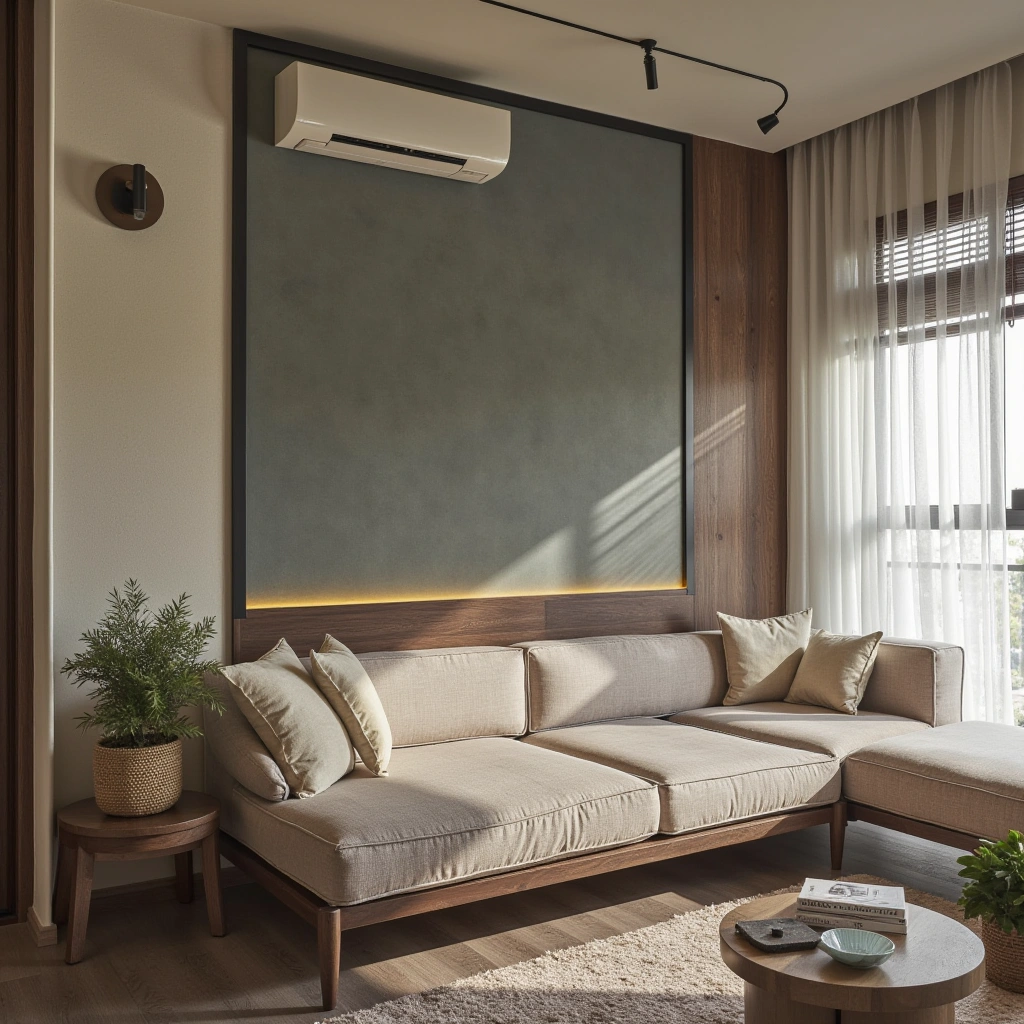
Adding layers of texture to your tiny house living room can create a sense of depth and dimension, making the space feel more inviting and cozy. One effective way to incorporate texture is by using a variety of materials in your furniture and decor. For example, you can mix and match fabrics like velvet, linen, and cotton to add visual interest and tactile appeal to your living room.
Another great idea is to use natural materials like wood, rattan, and jute to bring a touch of the outdoors inside. These materials can add warmth and texture to your living room, creating a more organic and natural feel. Consider using a jute rug, woven baskets, or a wooden coffee table to incorporate these elements into your design.
When implementing this idea, start by selecting a base material for your larger furniture pieces, such as a fabric sofa or a wooden coffee table. Then, layer in additional textures through accent pieces and decor. Consider the overall balance and harmony of your living room design, and be sure to choose textures that complement each other and create a cohesive look.
This design approach works well in bohemian and eclectic home styles, where a mix of materials and textures is encouraged. However, it can also be adapted to more traditional settings with the use of classic materials and finishes.
Next, let’s discuss how lighting can set the mood in your tiny house living room.
Creative Lighting Solutions
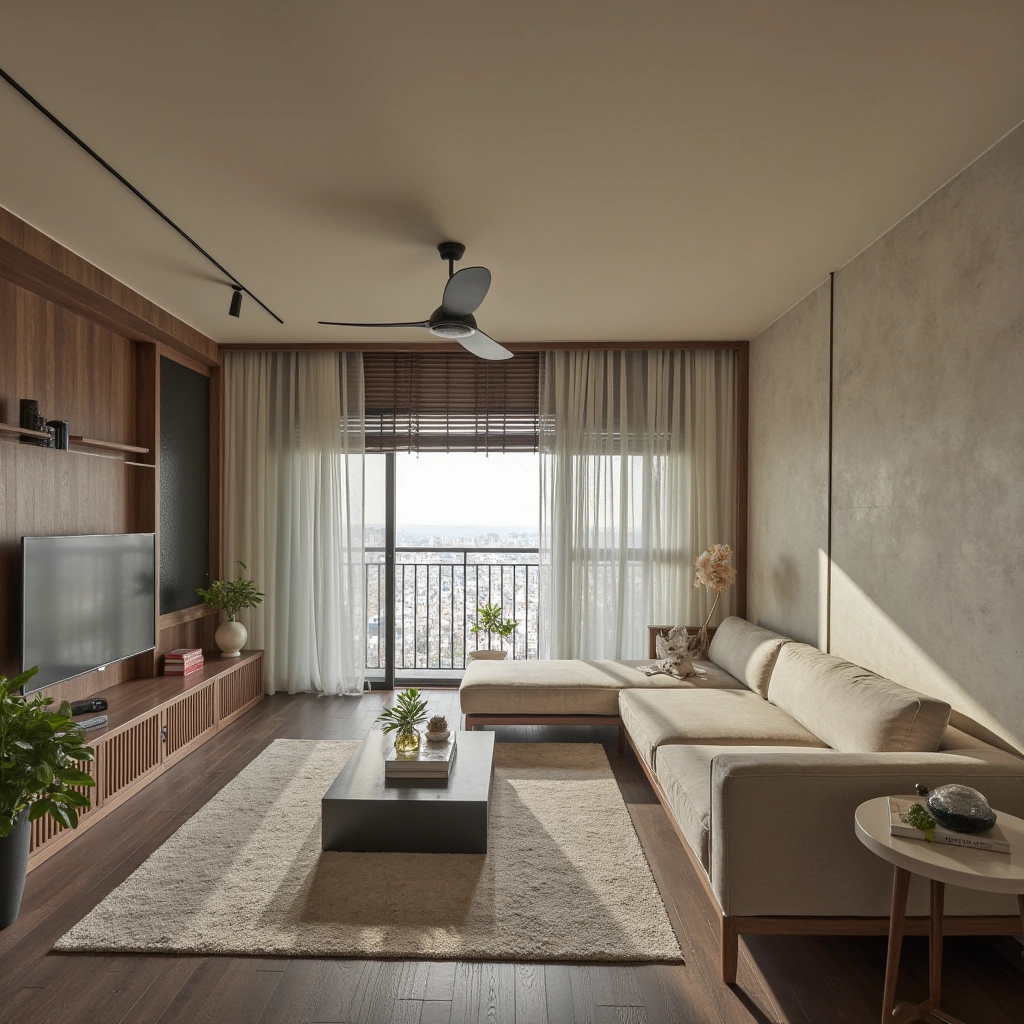
Lighting is a crucial element in any living room design, and it’s especially important in a tiny house where space is limited. One effective way to maximize light in your living room is by using a combination of ambient, task, and accent lighting. Ambient lighting, such as ceiling fixtures or recessed lights, provides overall illumination, while task lighting, like table lamps or floor lamps, offers focused light for specific activities. Accent lighting, such as string lights or wall sconces, can add a decorative touch and highlight specific areas of your living room.
Another clever lighting idea is to use pendant lights or chandeliers to create a focal point in your living room. These fixtures can add a touch of elegance and style to your space, while also providing functional light. Consider using a dimmer switch to control the brightness of your pendant lights, allowing you to create the perfect atmosphere for any occasion.
When implementing this idea, start by assessing your lighting needs and identifying areas where you can incorporate additional light sources. Consider the overall balance and harmony of your living room design, and be sure to choose lighting fixtures that complement your style and create a cohesive look.
This design approach is versatile and can be adapted to various home styles, from modern and minimalist to traditional and eclectic. The key is to choose lighting fixtures that reflect your personal style and create the desired ambiance in your living room.
Let’s now explore how greenery can bring life and freshness to your tiny house living room.
Bringing Nature Indoors
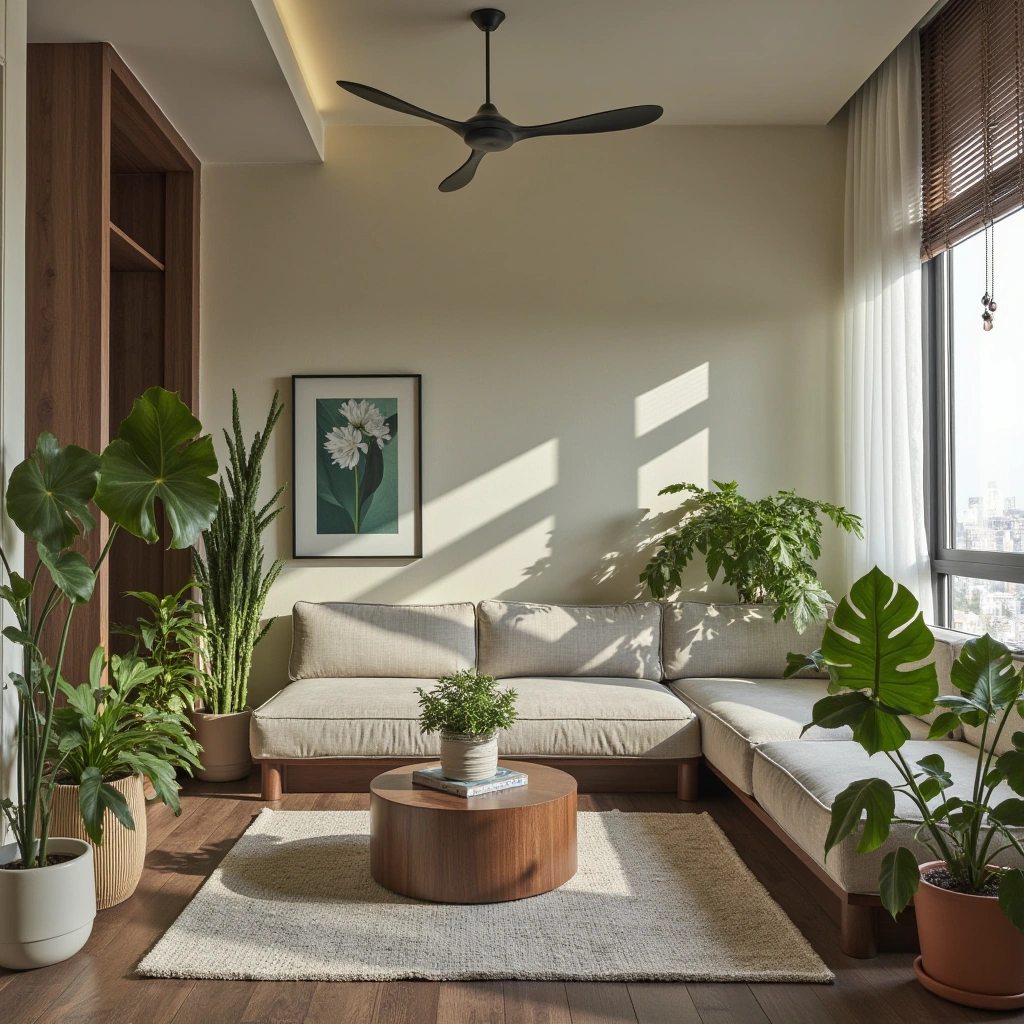
Incorporating greenery into your tiny house living room can bring a sense of life and freshness to your space. Plants not only add a pop of color and texture but also help purify the air and create a more inviting atmosphere. One effective way to incorporate greenery is by using hanging plants or wall-mounted planters. These can be placed at eye level to draw the eye upward and make the room feel taller.
Another great idea is to use a variety of plant sizes and types to create visual interest and depth. For example, you can use tall, leafy plants like a fiddle-leaf fig or a snake plant to add height and drama to your living room. Smaller plants like succulents or air plants can be used to add a touch of greenery to shelves, tables, or other surfaces.
When implementing this idea, consider the light and water requirements of your plants, as well as their size and growth habits. Be sure to choose plants that are suitable for your living room’s conditions and that complement your overall design style. Additionally, consider using decorative pots and planters to add a touch of personality and style to your greenery.
This design approach works well in bohemian and eclectic home styles, where a mix of natural elements and textures is encouraged. However, it can also be adapted to more traditional settings with the use of classic plants and decorative pots.
Next, let’s discuss how personal touches can make your tiny house living room feel like home.
Personal Touches
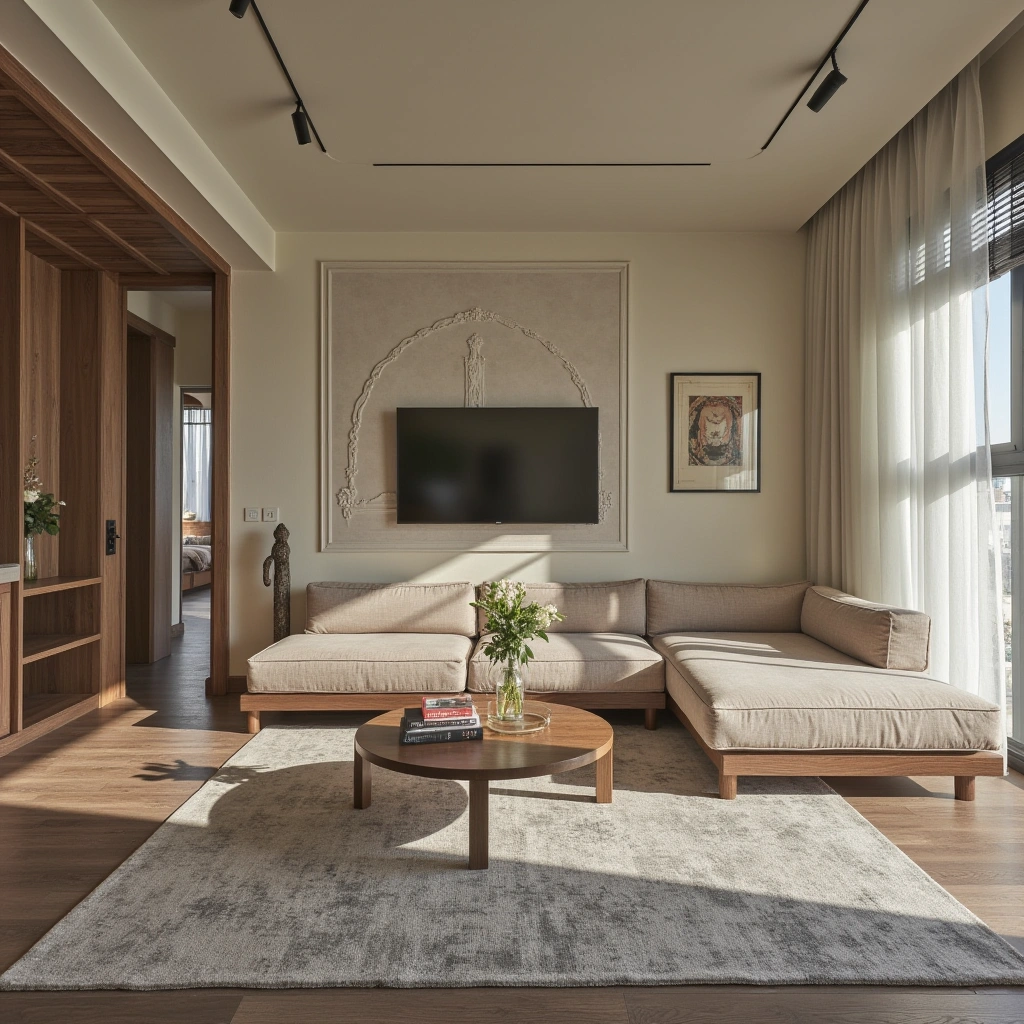
Adding personal touches to your tiny house living room can make it feel more like home and reflect your unique style and personality. One effective way to do this is by displaying family photos, artwork, or other meaningful items. Consider creating a gallery wall with a mix of framed photos, artwork, and decorative objects to add visual interest and a personal touch to your living room.
Another great idea is to use decorative items that have sentimental value or tell a story. For example, you can display souvenirs from your travels, heirlooms, or other items that hold special meaning to you. These personal touches can add a layer of depth and emotion to your living room, making it a space that truly feels like your own.
When implementing this idea, consider the overall balance and harmony of your living room design. Be sure to choose personal items that complement your style and create a cohesive look. Additionally, consider the scale and placement of your personal items to maintain a clutter-free and organized space.
This design approach is versatile and can be adapted to various home styles, from modern and minimalist to traditional and eclectic. The key is to choose personal items that reflect your unique style and create a space that feels like home.
Let’s now explore how a cohesive color palette can unify your tiny house living room design.
Cohesive Color Palette
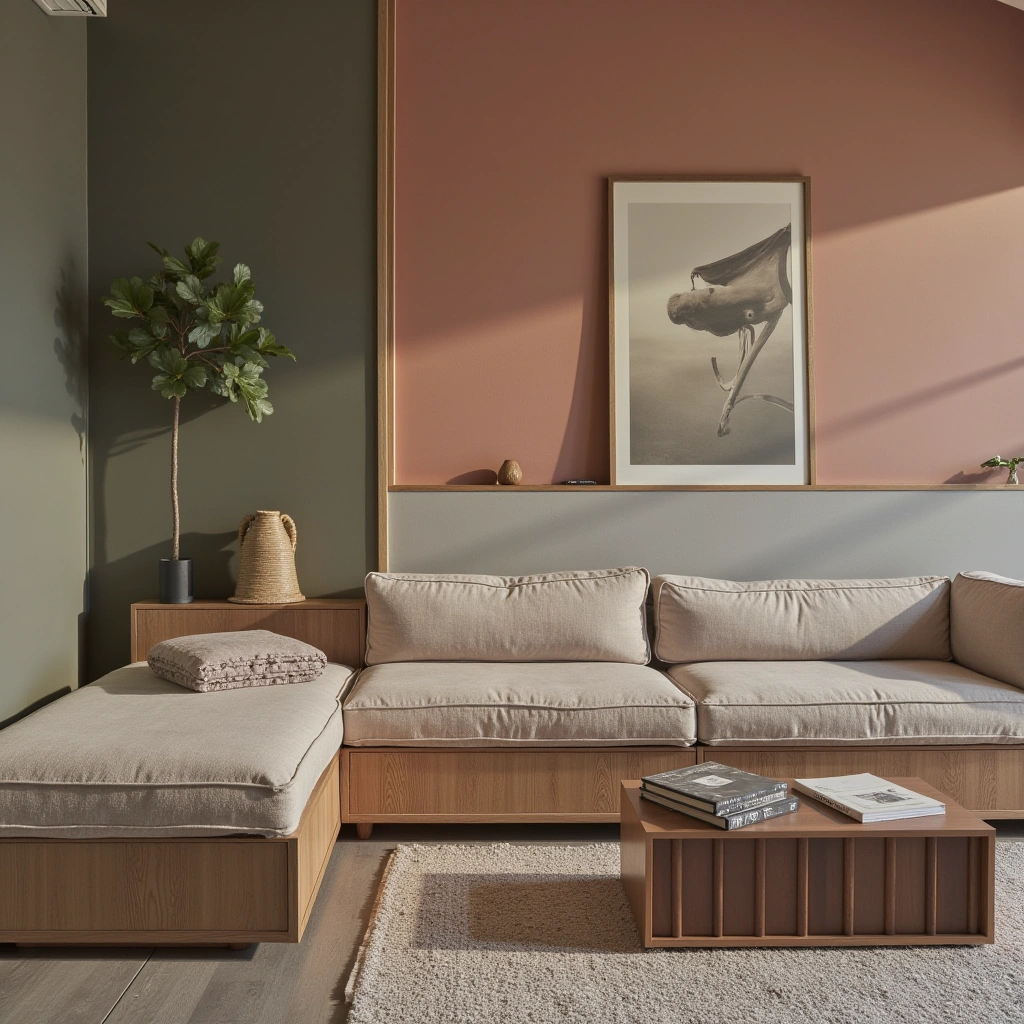
Creating a cohesive color palette is essential in a tiny house living room, as it helps to unify the space and create a harmonious look. One effective way to achieve this is by selecting a base color for your walls and larger furniture pieces, and then choosing complementary colors for your accent pieces and decor. Consider using a neutral color palette with shades of white, beige, and gray to create a bright and airy atmosphere.
Another great idea is to use a monochromatic color scheme, where different shades of the same color are used throughout the living room. This can create a sense of continuity and flow, making the space feel more cohesive and unified. For example, you can use shades of blue on the walls, furniture, and decor to create a calming and serene atmosphere.
When implementing this idea, start by selecting a base color for your walls and larger furniture pieces. Then, choose complementary colors for your accent pieces and decor. Consider the mood you want to create in your living room and choose colors that evoke that feeling. Additionally, be sure to maintain a balance between different colors and textures to create a harmonious and visually appealing look.
This design approach is versatile and can be adapted to various home styles, from modern and minimalist to traditional and eclectic. The key is to choose a color palette that reflects your personal style and creates the desired ambiance in your living room.
Next, let’s discuss how a well-defined layout can maximize space in your tiny house living room.
Well-Defined Layout
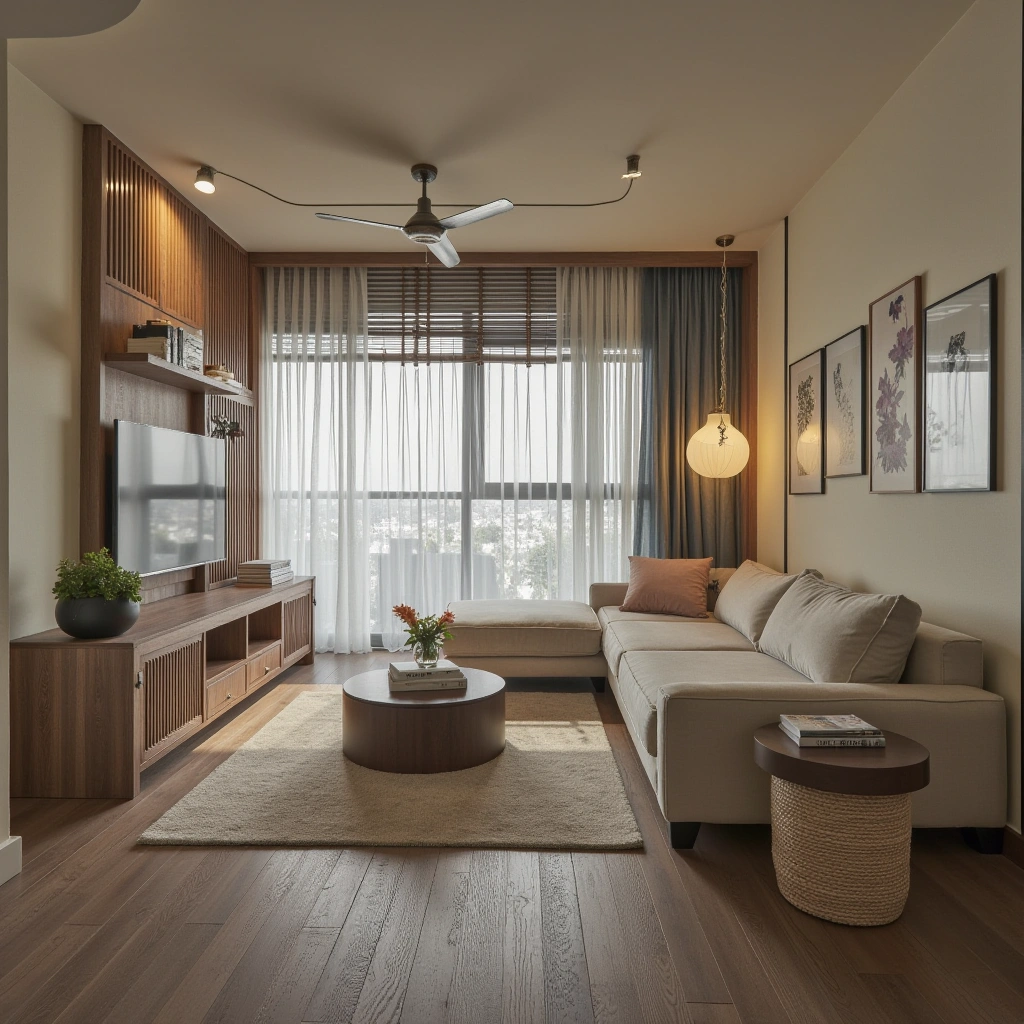
A well-defined layout is crucial in a tiny house living room, as it helps to maximize space and create a functional and inviting atmosphere. One effective way to achieve this is by creating distinct zones for different activities, such as a seating area, a workspace, or a dining area. Consider using furniture placement, rugs, or other visual cues to define these zones and create a sense of order and organization.
Another great idea is to use a sectional sofa to create a cozy and inviting seating area. Sectional sofas can be arranged in various configurations to suit your space and provide ample seating for guests. Additionally, consider using a coffee table or ottoman to anchor your seating area and provide a surface for drinks, books, or other items.
When implementing this idea, start by assessing your living room’s layout and identifying areas where you can create distinct zones. Consider the flow of the room and how you can arrange furniture to create a seamless transition from one area to another. Additionally, be sure to maintain a balance between functionality and aesthetics to create a cohesive and visually appealing look.
This design approach works well in modern and contemporary home styles, where clean lines and functional design are prioritized. However, it can also be adapted to more traditional settings with the use of classic furniture pieces and decorative accents.
Let’s now explore how a statement piece can add a focal point to your tiny house living room.
Statement Piece
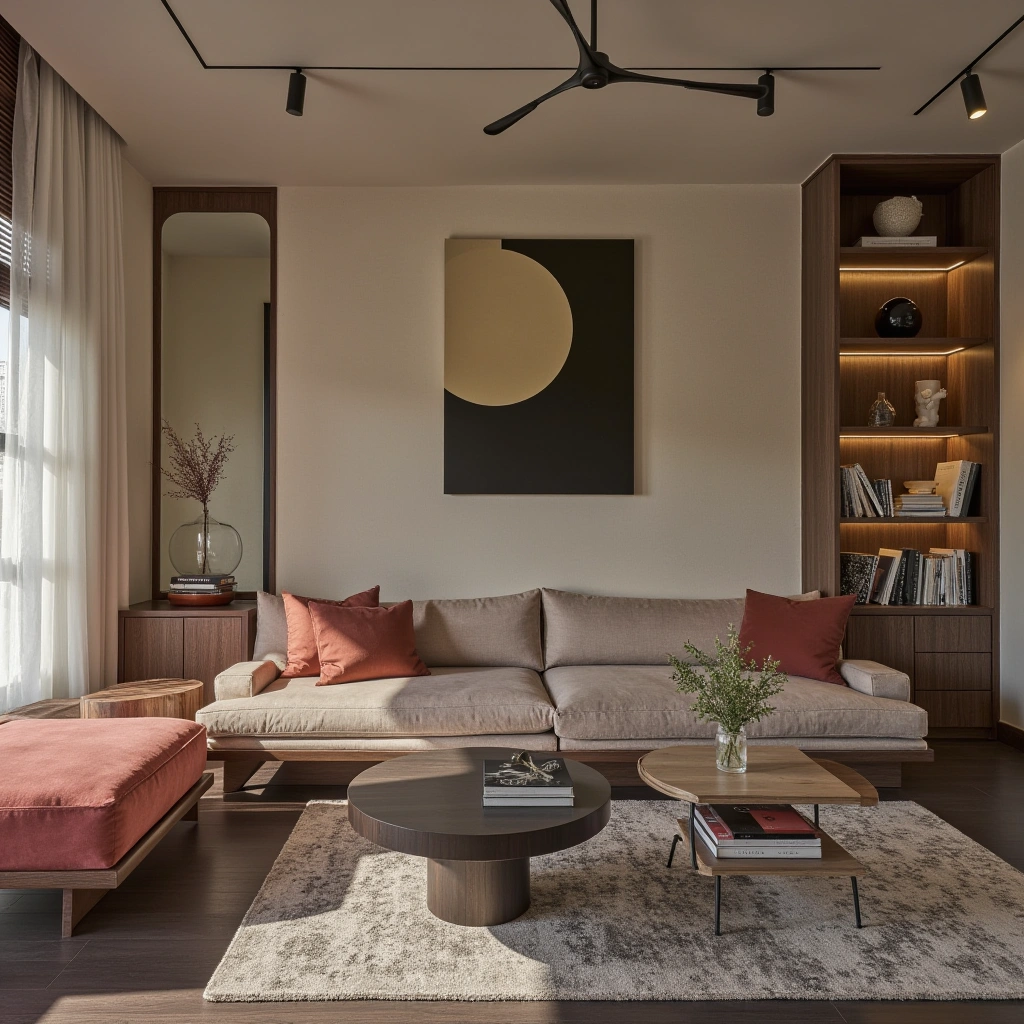
Incorporating a statement piece into your tiny house living room can add a focal point and create a sense of drama and interest. One effective way to do this is by choosing a bold and eye-catching piece of furniture, such as a vibrant sofa, a unique coffee table, or a striking piece of artwork. Consider using a statement piece to anchor your living room design and create a visual centerpiece that draws the eye in.
Another great idea is to use a statement piece to add a pop of color or texture to your living room. For example, you can use a brightly colored rug, a textured throw pillow, or a decorative accent to add visual interest and depth to your space. Just be sure to choose a statement piece that complements your overall design style and creates a cohesive look.
When implementing this idea, consider the scale and placement of your statement piece to ensure that it doesn’t overwhelm the space. Be sure to choose a piece that is proportionate to your living room and that complements your overall design style. Additionally, consider the balance and harmony of your living room design, and be sure to choose a statement piece that enhances the overall look and feel of your space.
This design approach works well in eclectic and bohemian home styles, where bold and unique pieces are encouraged. However, it can also be adapted to more traditional settings with the use of classic statement pieces and decorative accents.
Next, let’s discuss how a minimalist approach can create a sense of calm and order in your tiny house living room.
Minimalist Approach
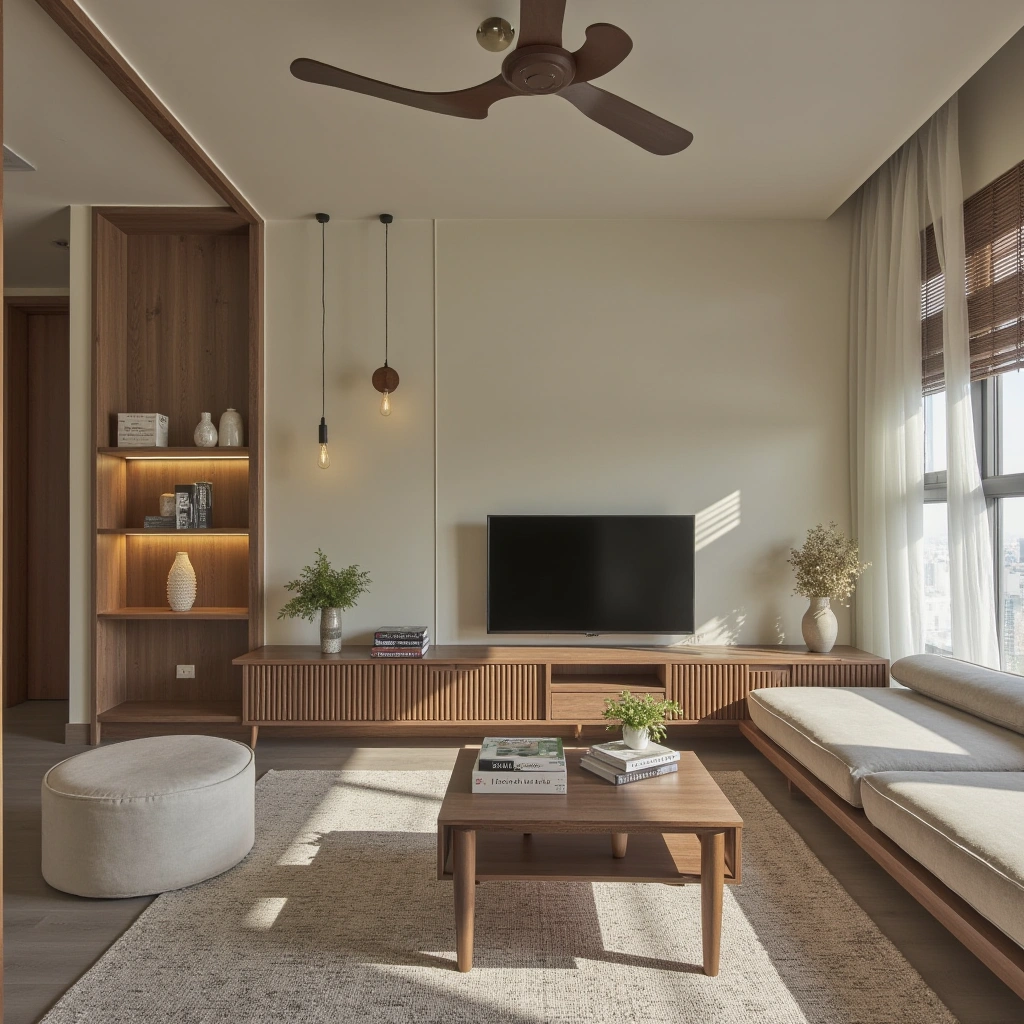
Adopting a minimalist approach in your tiny house living room can create a sense of calm and order, making the space feel more inviting and serene. One effective way to achieve this is by focusing on the essentials and eliminating clutter. Consider using a neutral color palette with shades of white, beige, and gray to create a bright and airy atmosphere. Additionally, opt for furniture with clean lines and a simple design to maintain an uncluttered look.
Another great idea is to use multifunctional furniture pieces that serve dual purposes, such as a sofa bed or a coffee table with built-in storage. These pieces can help maximize space and create a more functional living room. Additionally, consider using decorative items that have a practical purpose, such as a decorative tray that can be used to organize remotes or a decorative bowl that can be used to store keys.
When implementing this idea, start by assessing your living room’s layout and identifying areas where you can eliminate clutter and simplify your design. Consider the flow of the room and how you can arrange furniture to create a sense of order and organization. Additionally, be sure to maintain a balance between functionality and aesthetics to create a cohesive and visually appealing look.
This design approach works well in modern and contemporary home styles, where clean lines and functional design are prioritized. However, it can also be adapted to more traditional settings with the use of classic furniture pieces and decorative accents.
Let’s now explore how a cozy nook can add a touch of comfort and warmth to your tiny house living room.
Cozy Nook
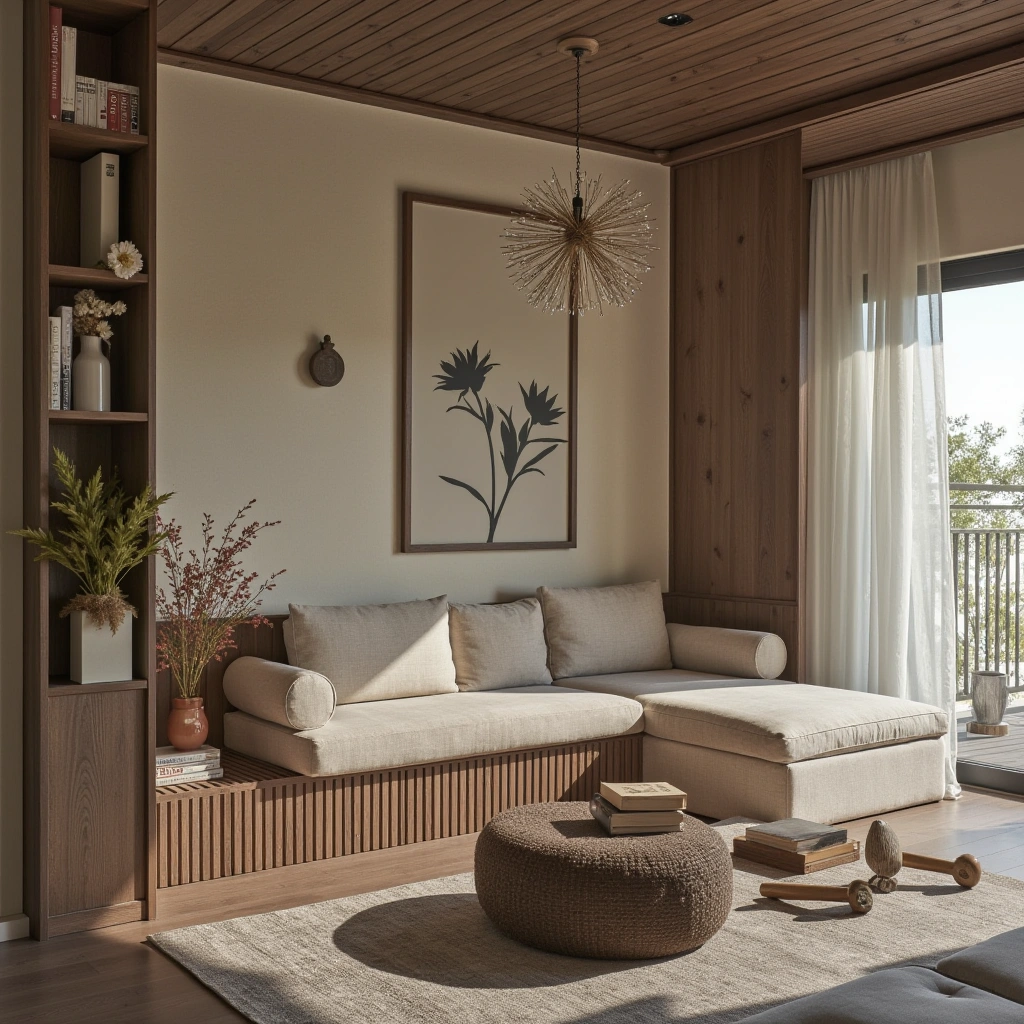
Creating a cozy nook in your tiny house living room can add a touch of comfort and warmth to your space. One effective way to do this is by carving out a small area for reading, relaxing, or enjoying a cup of tea. Consider using a comfortable armchair, a plush throw pillow, and a soft blanket to create a inviting and cozy atmosphere. Additionally, consider using a small side table or a floor lamp to add functionality and style to your nook.
Another great idea is to use a window seat or a built-in bench to create a cozy nook that doubles as additional seating. These pieces can be used to maximize space and create a more functional living room. Additionally, consider using decorative items like a decorative pillow or a throw blanket to add a touch of personality and style to your nook.
When implementing this idea, consider the scale and placement of your cozy nook to ensure that it doesn’t overwhelm the space. Be sure to choose a location that is easily accessible and that complements your overall living room design. Additionally, consider the balance and harmony of your living room design, and be sure to choose a cozy nook that enhances the overall look and feel of your space.
This design approach works well in traditional and rustic home styles, where comfort and warmth are prioritized. However, it can also be adapted to more modern settings with the use of contemporary furniture pieces and decorative accents.
Lastly, let’s discuss how a well-curated bookshelf can add a personal touch and a sense of sophistication to your tiny house living room.
Well-Curated Bookshelf
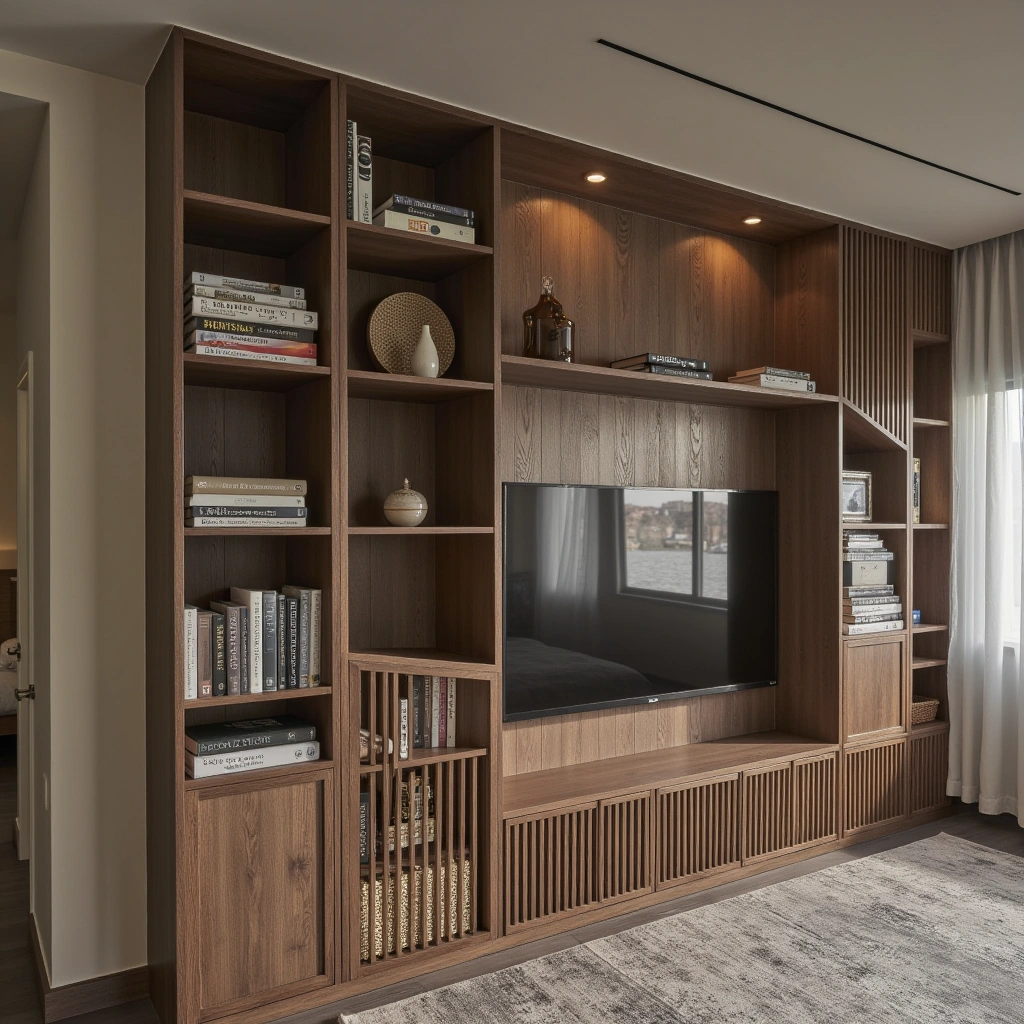
A well-curated bookshelf can add a personal touch and a sense of sophistication to your tiny house living room. One effective way to achieve this is by selecting a bookshelf that complements your overall design style and that provides ample storage for your books and decorative items. Consider using a bookshelf with open shelving to create a sense of openness and airiness in your living room.
Another great idea is to use your bookshelf to display a mix of books, artwork, and decorative objects. This can add visual interest and a personal touch to your living room, making it a space that truly feels like your own. Additionally, consider using decorative baskets or bins to organize and conceal clutter on your bookshelf.
When implementing this idea, start by assessing your living room’s layout and identifying a location for your bookshelf that is easily accessible and that complements your overall design style. Consider the balance and harmony of your living room design, and be sure to choose a bookshelf that enhances the overall look and feel of your space. Additionally, consider the scale and placement of your bookshelf to ensure that it doesn’t overwhelm the space.
This design approach works well in traditional and eclectic home styles, where a mix of personal items and decorative accents is encouraged. However, it can also be adapted to more modern settings with the use of contemporary bookshelves and decorative items.
Conclusion
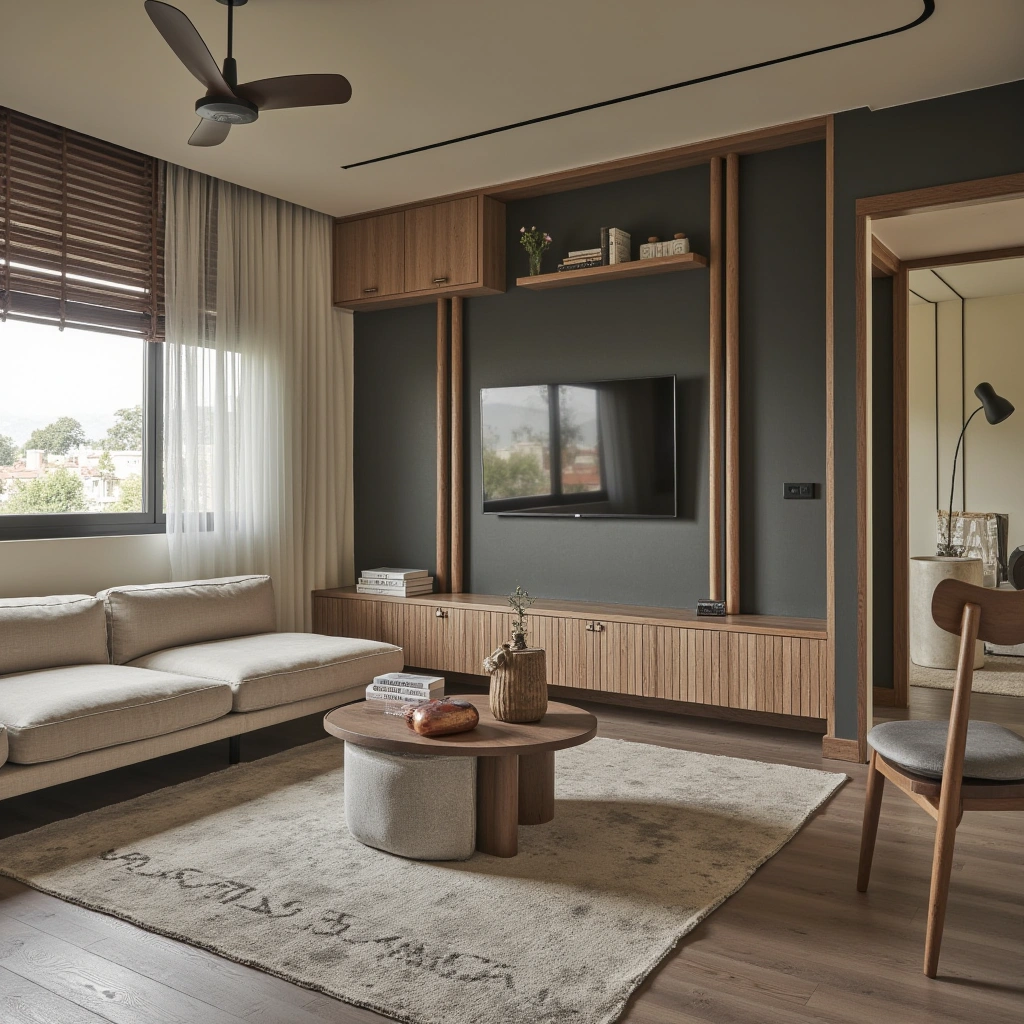
Tiny house living rooms present a unique challenge when it comes to design, but with the right strategies, you can create a space that is both functional and inviting. By focusing on multifunctional furniture, smart storage solutions, and a cohesive color palette, you can maximize space and create a living room that reflects your personal style and meets your needs. Remember the importance of layering textures, incorporating greenery, and adding personal touches to make your tiny house living room feel like home.
With these 15 tiny house living room ideas, you’re well on your way to creating a space that is both beautiful and functional. So go ahead and start implementing these ideas in your own living room, and watch as it transforms into a place you’ll love to spend time in. Happy decorating, and remember to always keep your tiny house living room ideas fresh and exciting! 15 Tiny House Living Room Ideas.
