

Ever wondered how to make the most of your tiny house space? Today, I’ll share some of the most creative and practical tiny house interior design ideas to help you maximize your space and live comfortably.
So, what are the best tiny house interior design ideas? Tiny house interior design is all about maximizing space and functionality. This involves using multifunctional furniture, smart storage solutions, and a cohesive color scheme to create an illusion of spaciousness. Lighting also plays a crucial role in making the space feel bigger and more inviting.
Ready to transform your tiny house into a cozy and functional haven? Let’s dive into some inspiring ideas that will make your small space feel like a dream home.
Contents
- 1 Understanding Tiny House Interior Design
- 2 1. Multifunctional Furniture
- 3 2. Vertical Storage Solutions
- 4 3. Light and Bright Color Schemes
- 5 4. Mirrors and Reflective Surfaces
- 6 5. Open Floor Plans
- 7 6. Lofted Bedrooms
- 8 7. Built-in Storage
- 9 8. Folding and Collapsible Furniture
- 10 9. Natural Light
- 11 10. Minimalist Decor
- 12 11. Outdoor Living Spaces
- 13 12. Smart Kitchen Design
- 14 Conclusion
Understanding Tiny House Interior Design
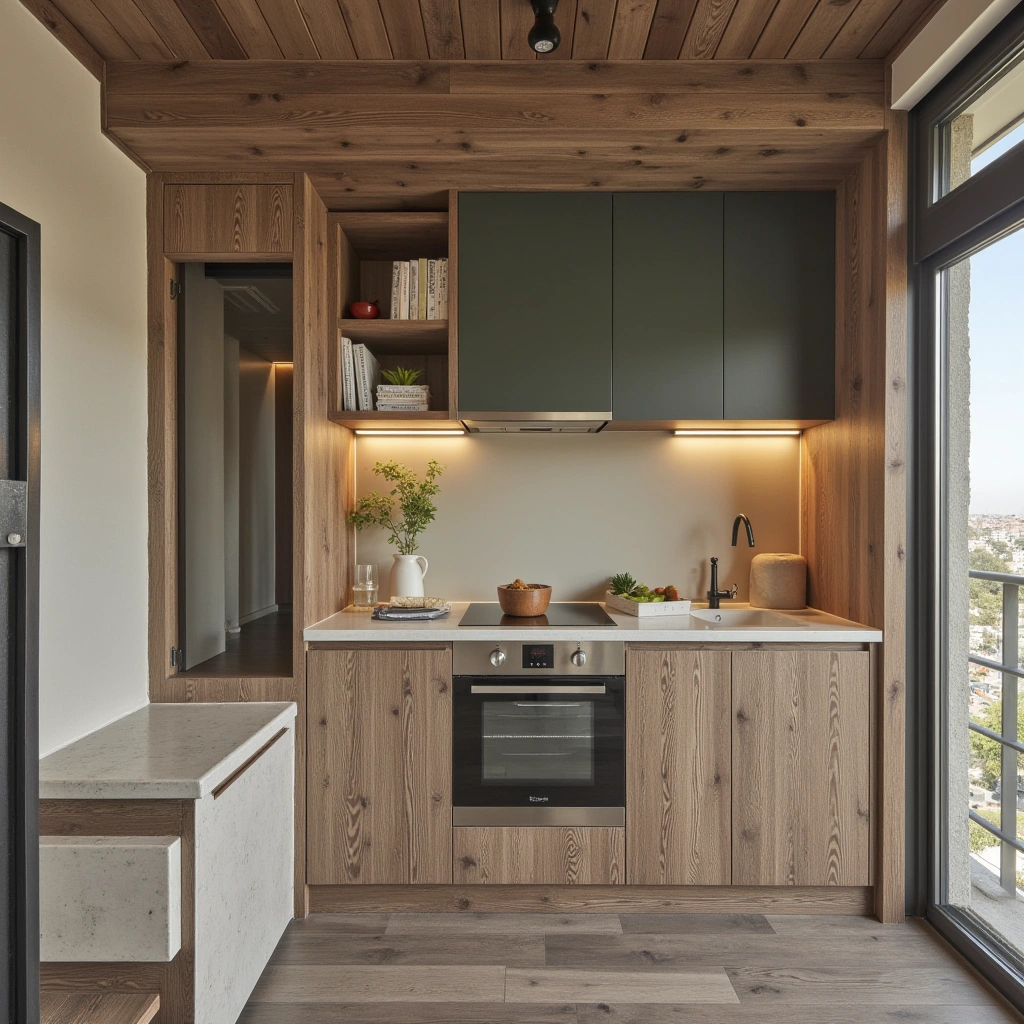
Tiny house interior design is all about making the most of limited space. It’s about creating a functional and aesthetically pleasing environment that feels bigger than it actually is. With the right design principles, you can turn your tiny house into a cozy and efficient living space.
1. Multifunctional Furniture
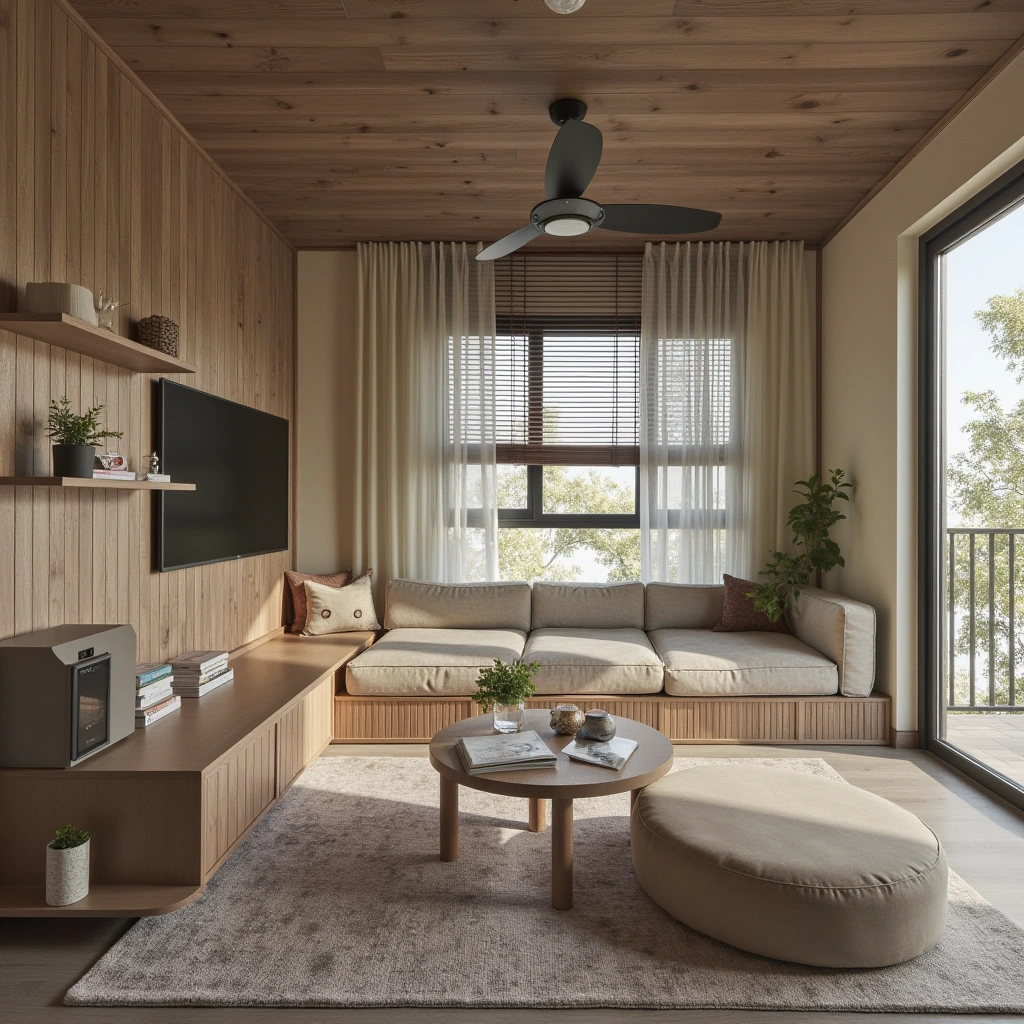
One of the key principles of tiny house interior design is using multifunctional furniture. This type of furniture serves multiple purposes, saving space and adding functionality. For example, a sofa bed can be used as a seating area during the day and a sleeping area at night. Ottomans with storage can serve as extra seating and a place to store items. Choose furniture that can be easily moved or folded away when not in use.
Tips for Implementation:
- Opt for a murphy bed that can be folded up against the wall during the day.
- Use a coffee table with shelves or drawers for extra storage.
- Consider a dining table that can be extended or folded away as needed.
Suitable for:
This design approach works well in modern and minimalist home styles, where functionality and simplicity are valued.
2. Vertical Storage Solutions
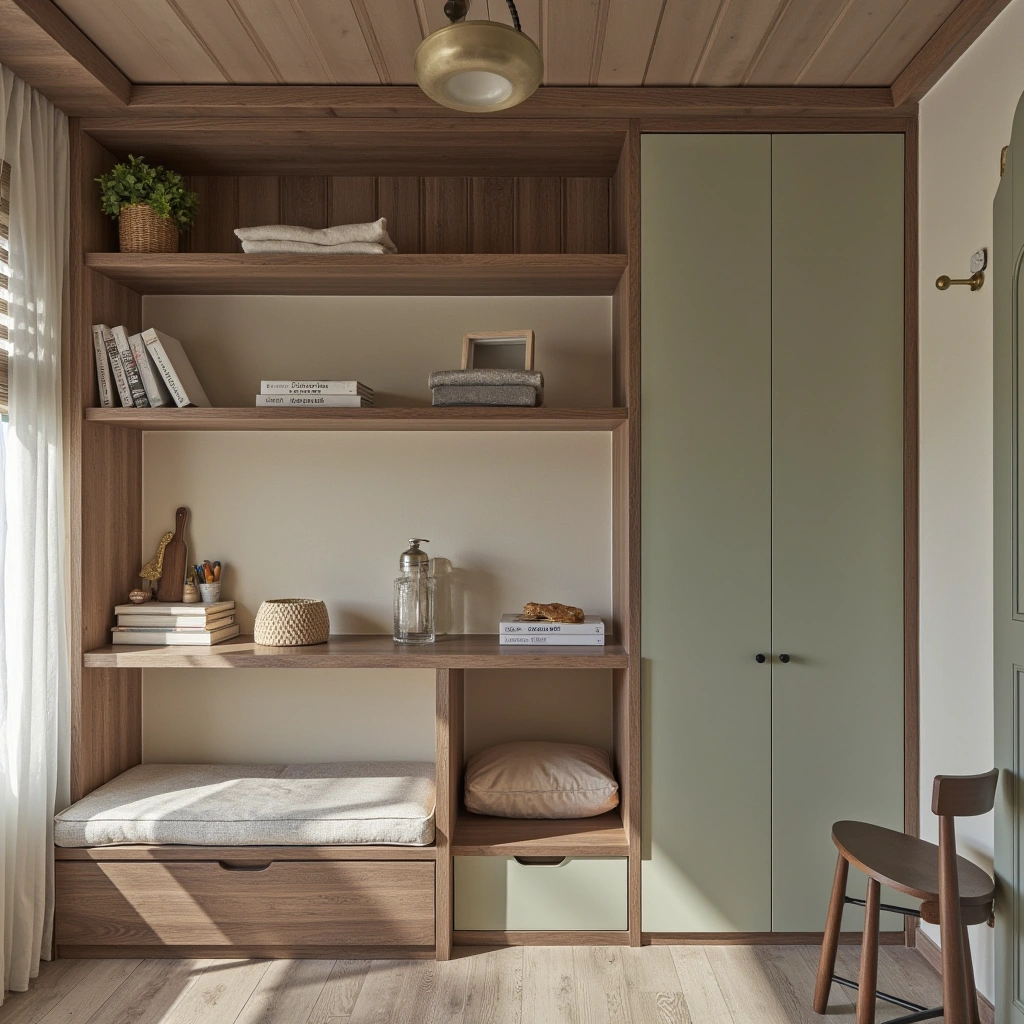
Maximizing vertical space is crucial in tiny house interior design. Utilize wall-mounted shelves, cabinets, and hooks to keep the floor space clear. This not only saves space but also makes the room feel more organized and less cluttered.
Tips for Implementation:
- Install floating shelves for books, decorative items, and other essentials.
- Use wall-mounted cabinets in the kitchen and bathroom to store utensils and toiletries.
- Hang hooks for coats, bags, and other items that can be stored vertically.
Suitable for:
This design approach is perfect for modern and industrial home styles, where clean lines and functional storage are appreciated.
3. Light and Bright Color Schemes
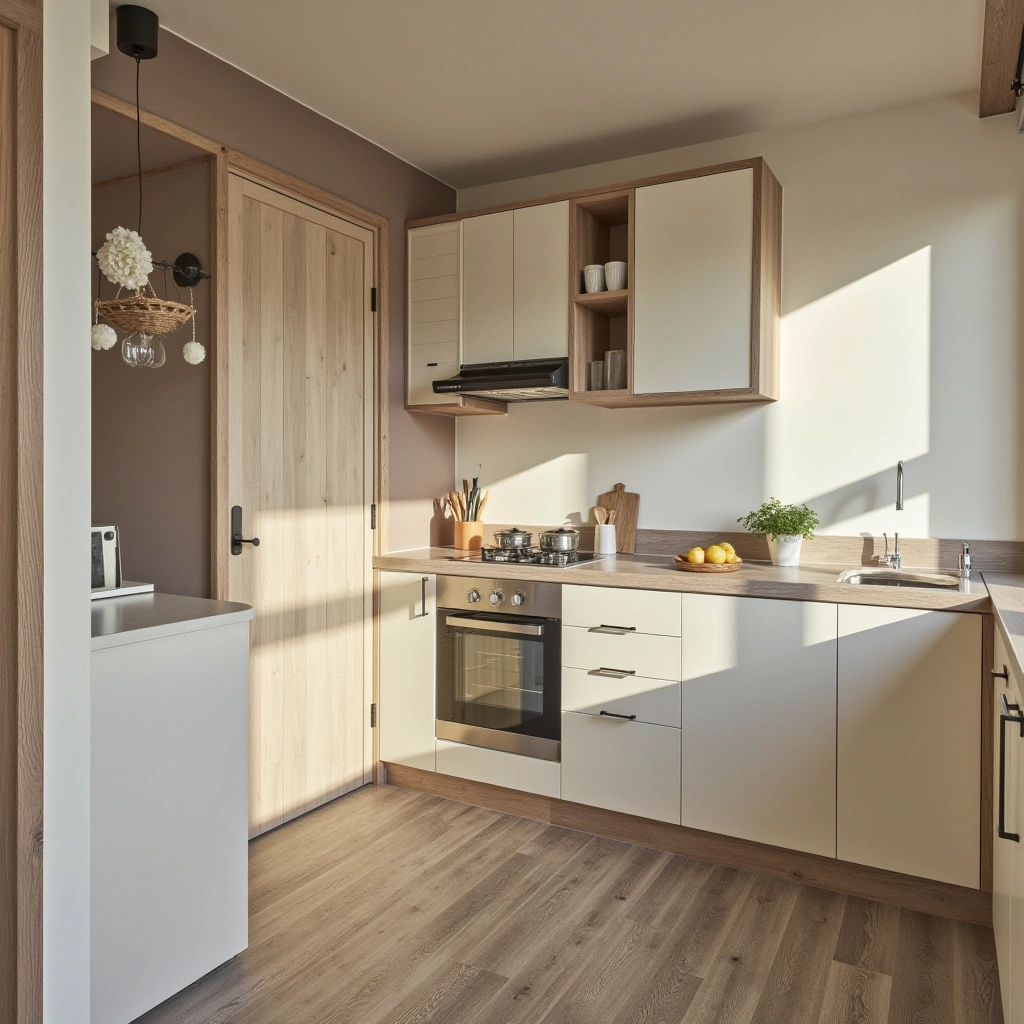
Using a light and bright color scheme can make a tiny house feel more spacious. Light colors reflect light, making the room feel brighter and more open. Opt for neutral tones like white, beige, and light gray for walls and larger furniture pieces.
Tips for Implementation:
- Paint the walls in a light, neutral color to create an illusion of space.
- Use light-colored furniture and decorative items to keep the room feeling airy.
- Add pops of color with accessories and textiles to prevent the space from feeling bland.
Suitable for:
This design approach is ideal for Scandinavian and contemporary home styles, where a clean and minimalist aesthetic is preferred.
4. Mirrors and Reflective Surfaces
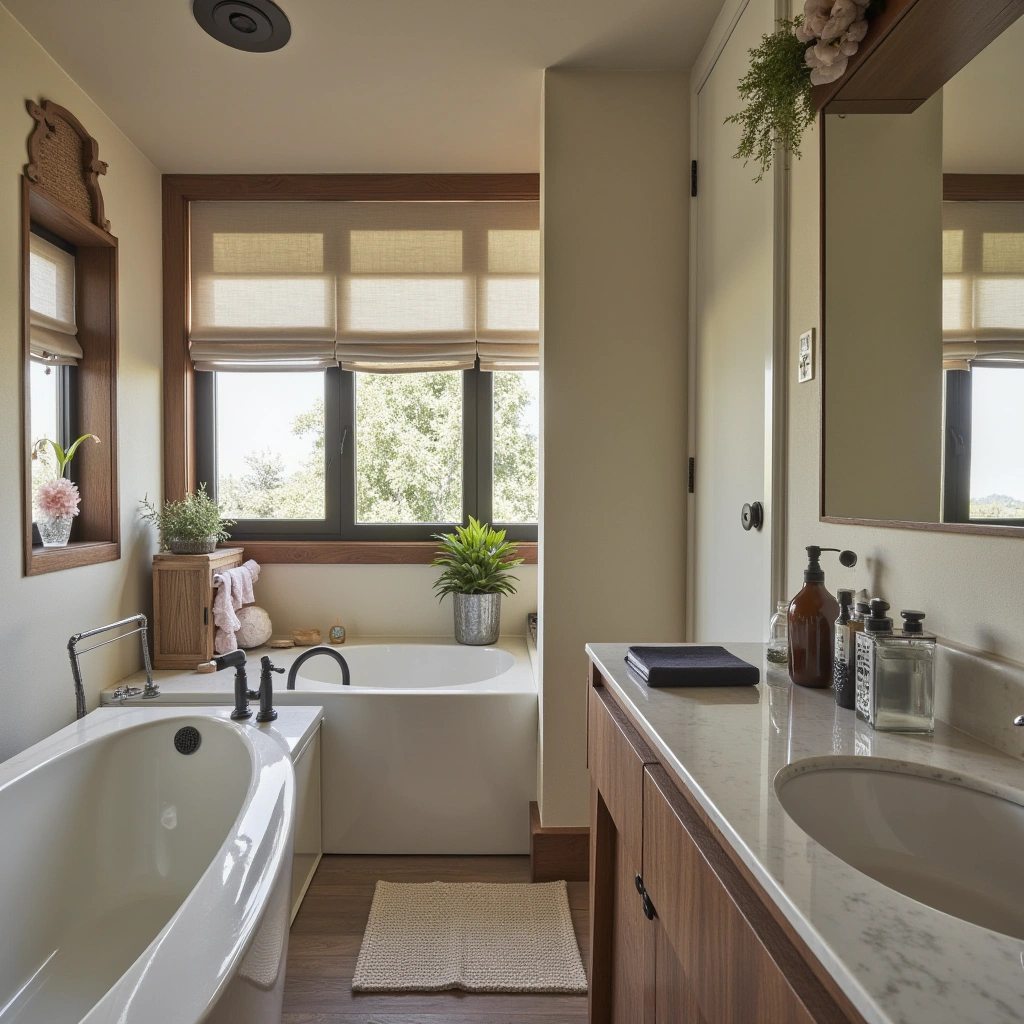
Mirrors and reflective surfaces can create an illusion of depth and space in a tiny house. Place mirrors strategically to reflect light and make the room feel larger.
Tips for Implementation:
- Hang a large mirror on a wall opposite a window to reflect natural light.
- Use mirrored furniture or decorative items to add reflective surfaces to the room.
- Consider using glass or acrylic furniture, which can also create a sense of openness.
Suitable for:
This design approach works well in modern and eclectic home styles, where unique and creative elements are valued.
5. Open Floor Plans
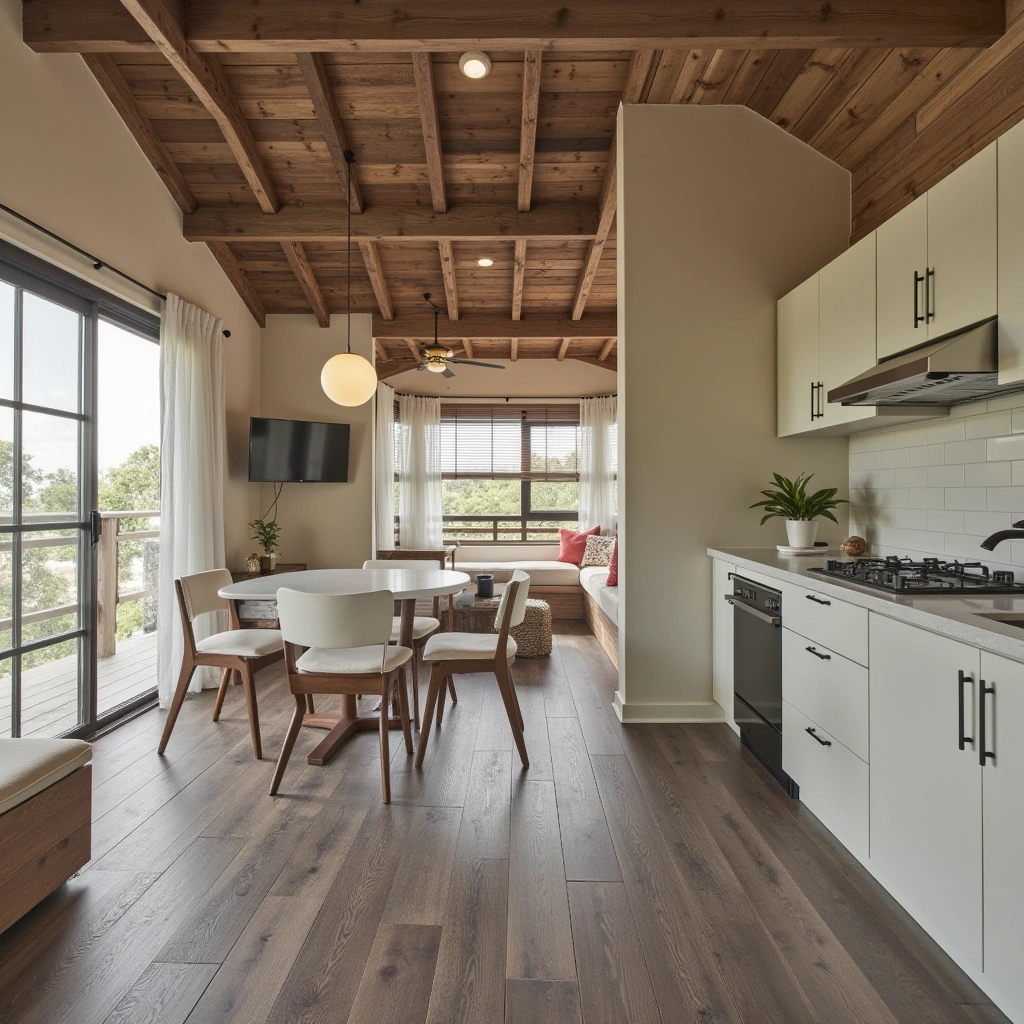
An open floor plan can make a tiny house feel more spacious by eliminating walls and barriers that divide the space. This layout allows for better flow and makes the room feel more connected.
Tips for Implementation:
- Remove any non-load-bearing walls to create an open living area.
- Use furniture to define different zones within the open space.
- Consider using area rugs to delineate different areas, such as the living room and dining room.
Suitable for:
This design approach is perfect for modern and contemporary home styles, where open and airy spaces are preferred.
6. Lofted Bedrooms
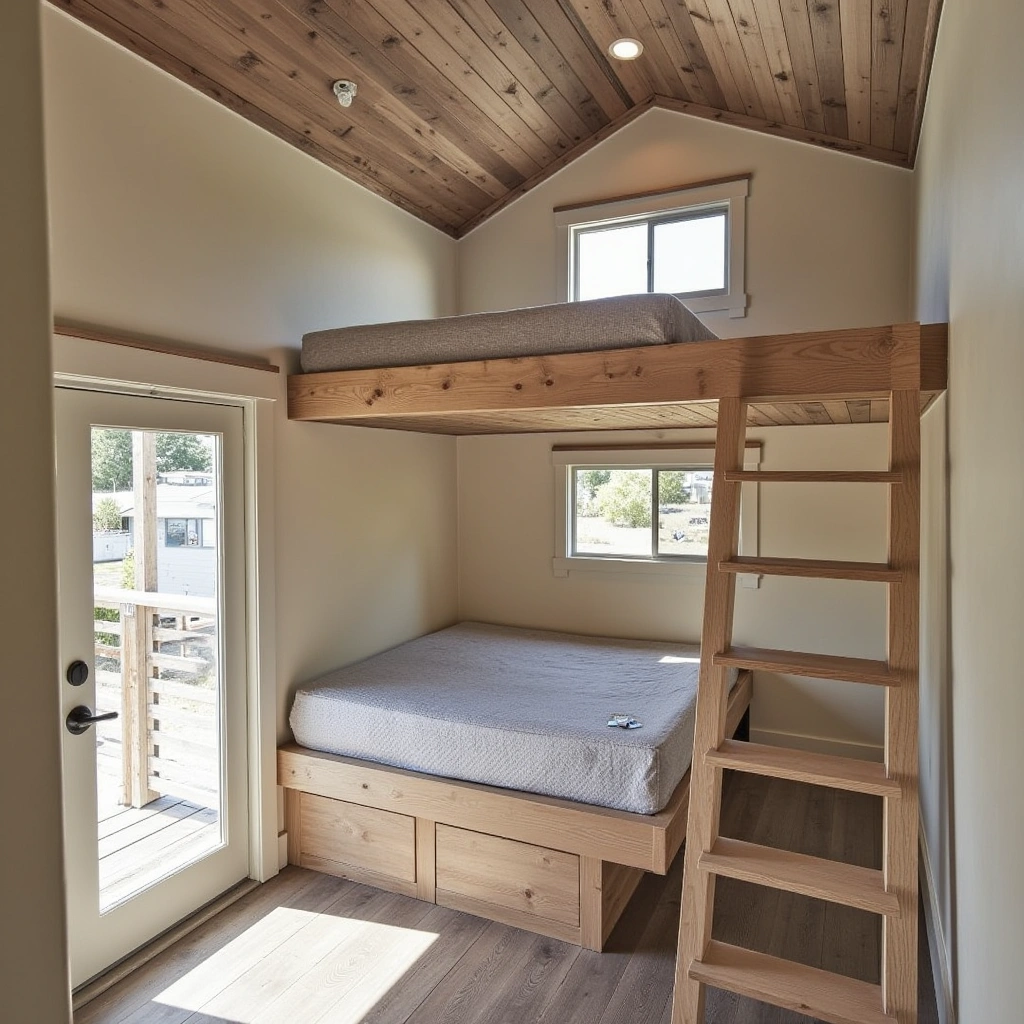
Lofted bedrooms are a popular choice in tiny house interior design. By placing the bedroom in a loft, you can free up valuable floor space below for other uses, such as a living area or workspace.
Tips for Implementation:
- Build a sturdy loft with a ladder or stairs for easy access.
- Use the space below the loft for storage, a workspace, or a seating area.
- Consider adding a railing or guardrail for safety.
Suitable for:
This design approach works well in modern and industrial home styles, where functional and space-saving solutions are valued.
7. Built-in Storage
Built-in storage solutions are a great way to maximize space in a tiny house. Custom-built cabinets, shelves, and drawers can be designed to fit perfectly into available spaces, providing ample storage without taking up valuable floor space.
Tips for Implementation:
- Install built-in shelves or cabinets in unused corners or nooks.
- Use built-in drawers under beds or sofas for extra storage.
- Consider built-in seating with storage underneath.
Suitable for:
This design approach is ideal for traditional and modern home styles, where custom and functional storage solutions are appreciated.
8. Folding and Collapsible Furniture
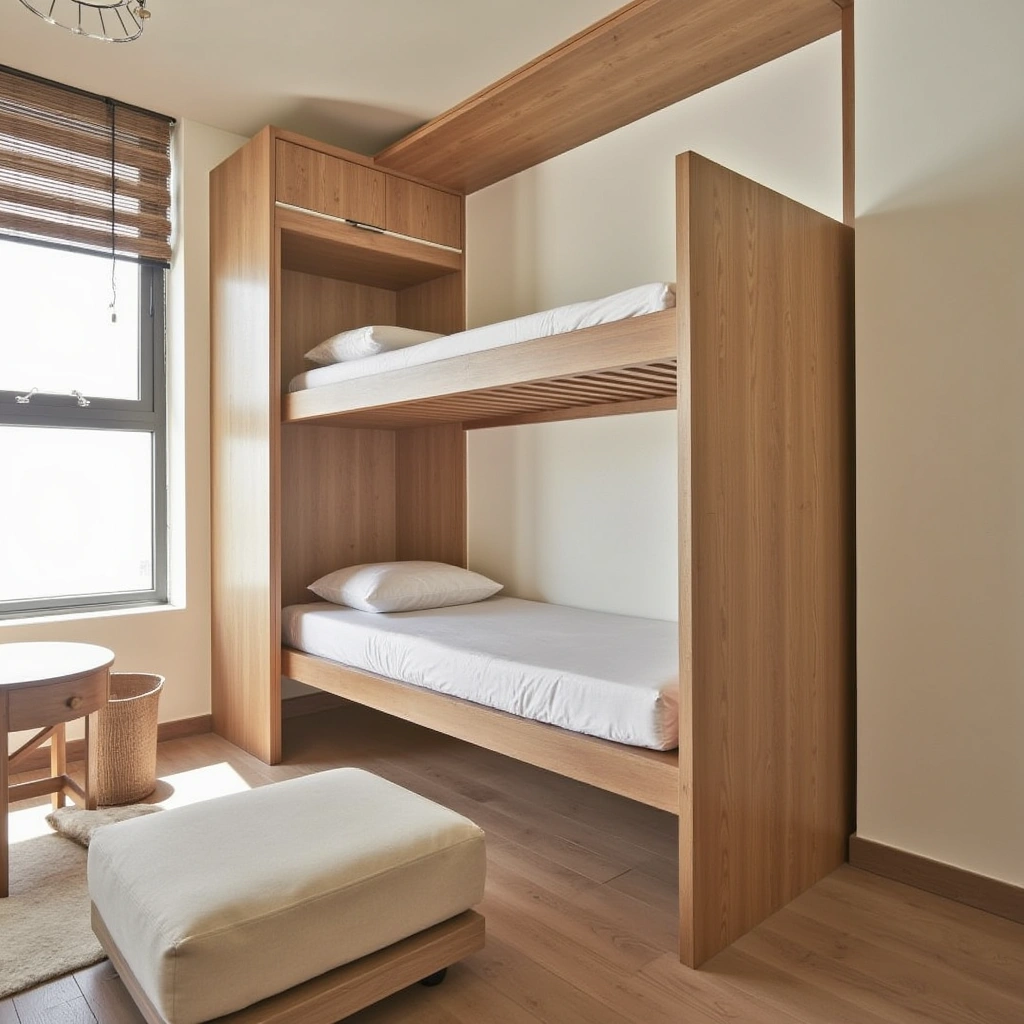
Folding and collapsible furniture is a space-saving solution that can be easily stored away when not in use. This type of furniture is perfect for tiny houses, where space is at a premium.
Tips for Implementation:
- Use a folding table for dining or work that can be easily stored away.
- Opt for collapsible chairs or stools that can be stacked or folded when not in use.
- Consider a folding bed or sofa bed for additional sleeping space.
Suitable for:
This design approach works well in modern and minimalist home styles, where functionality and simplicity are valued.
9. Natural Light
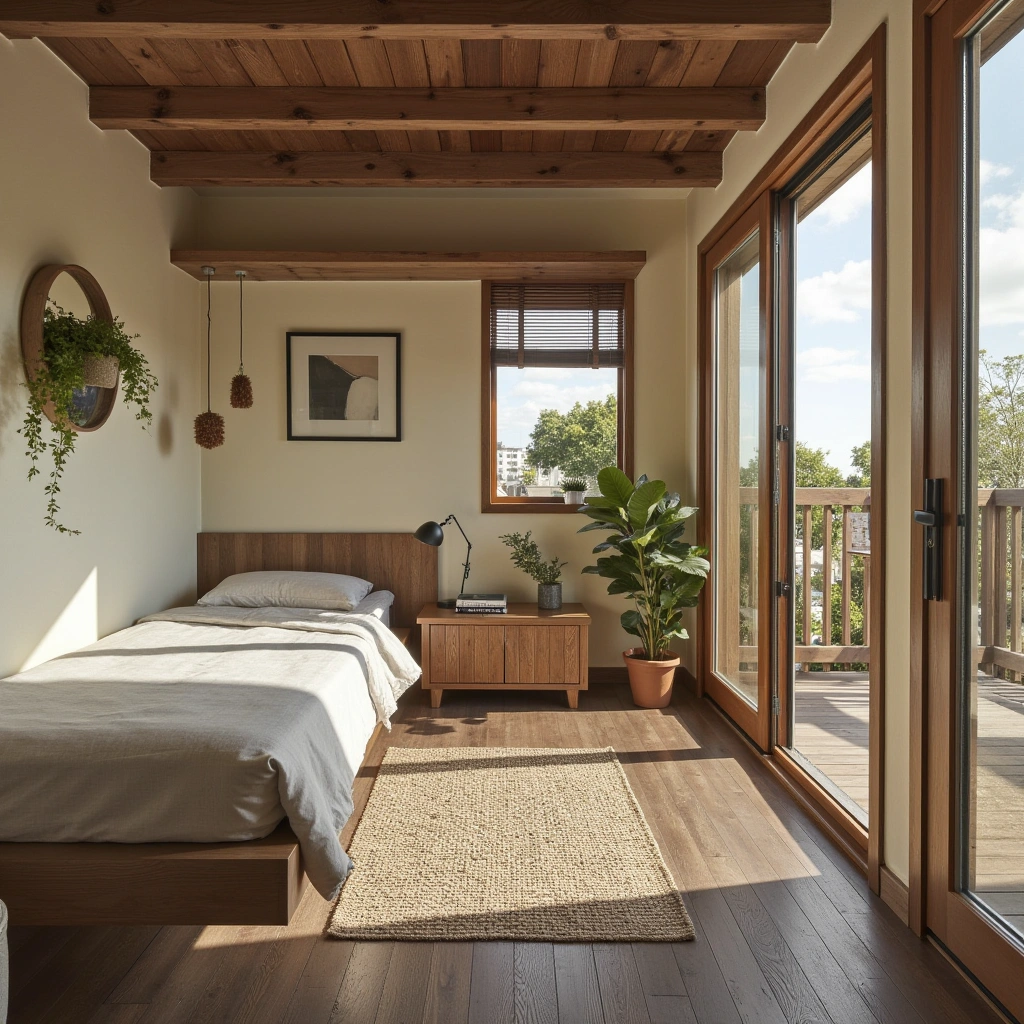
Maximizing natural light is essential in tiny house interior design. Natural light can make a space feel brighter, more open, and more inviting. Use large windows, skylights, and glass doors to let in as much natural light as possible.
Tips for Implementation:
- Install large windows or skylights to bring in natural light.
- Use sheer curtains or blinds that allow light to filter through.
- Consider using glass doors for entryways or between rooms to let in more light.
Suitable for:
This design approach is perfect for modern and contemporary home styles, where natural light and open spaces are preferred.
10. Minimalist Decor
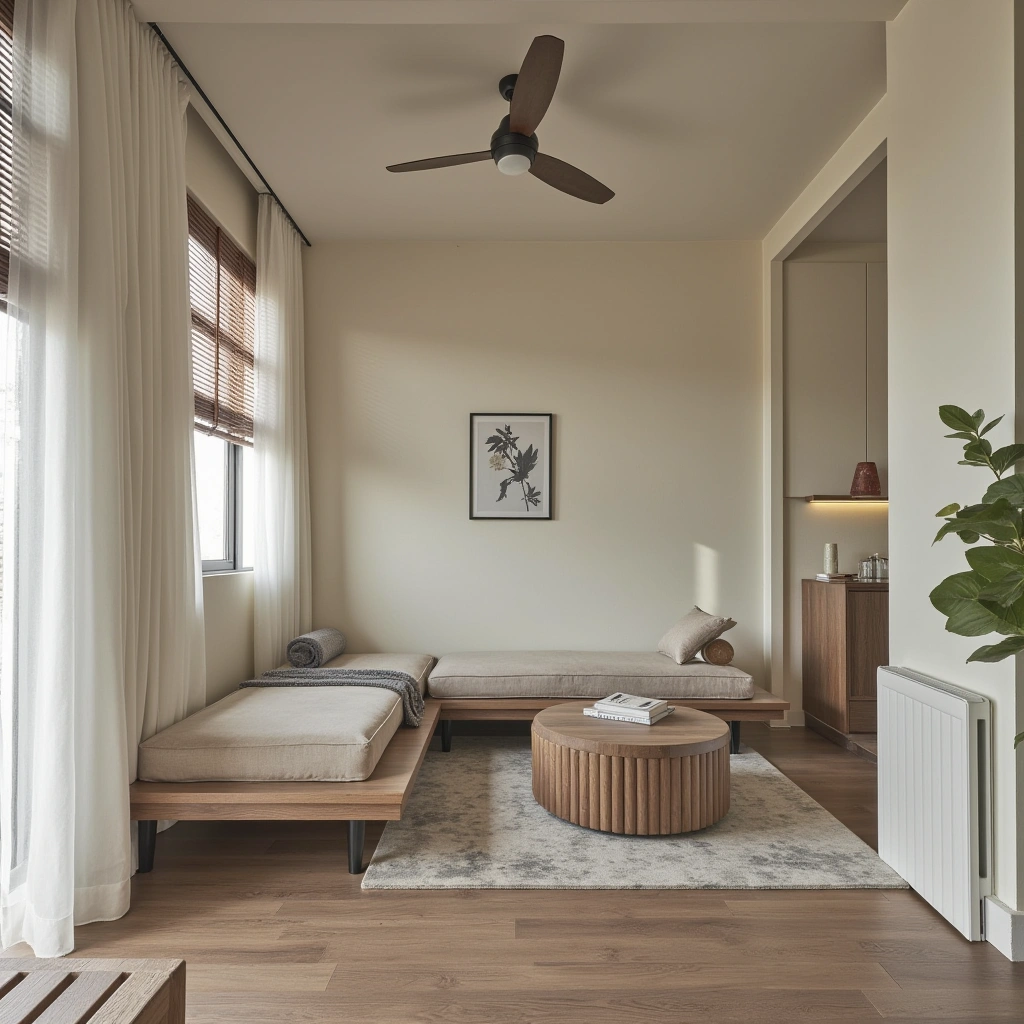
A minimalist decor approach can help make a tiny house feel more spacious. By keeping the decor simple and uncluttered, you can create a clean and open feel in the room.
Tips for Implementation:
- Choose a few key decorative items that have meaning or purpose.
- Avoid overcrowding surfaces with too many decorative items.
- Opt for simple and clean lines in furniture and decor.
Suitable for:
This design approach is ideal for modern and Scandinavian home styles, where a clean and minimalist aesthetic is preferred.
11. Outdoor Living Spaces
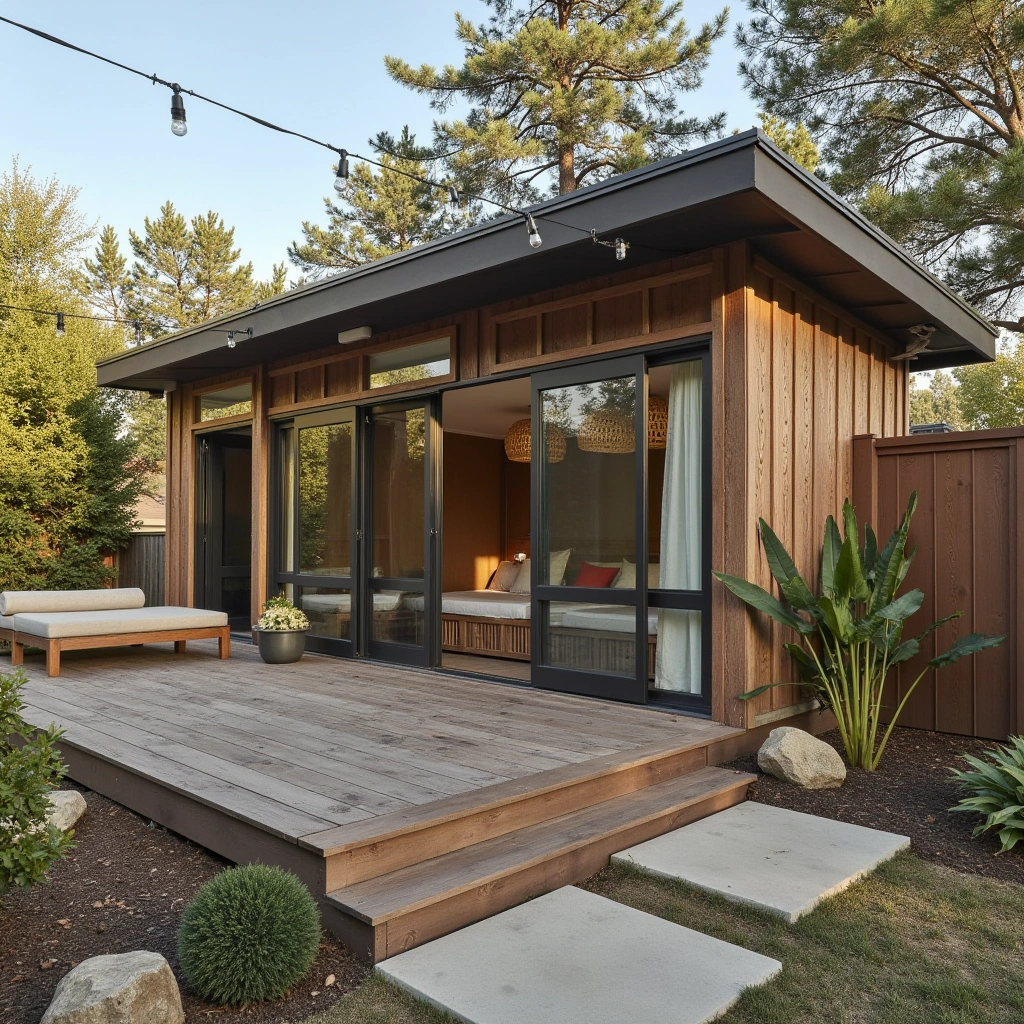
Creating outdoor living spaces can extend the usable area of a tiny house. Patios, decks, and balconies can provide additional space for relaxing, entertaining, and enjoying the outdoors.
Tips for Implementation:
- Build a deck or patio with seating and a table for outdoor dining.
- Use outdoor rugs and cushions to create a cozy outdoor living area.
- Consider adding a pergola or canopy for shade and protection from the elements.
Suitable for:
This design approach works well in modern and rustic home styles, where outdoor living and connection to nature are valued.
12. Smart Kitchen Design
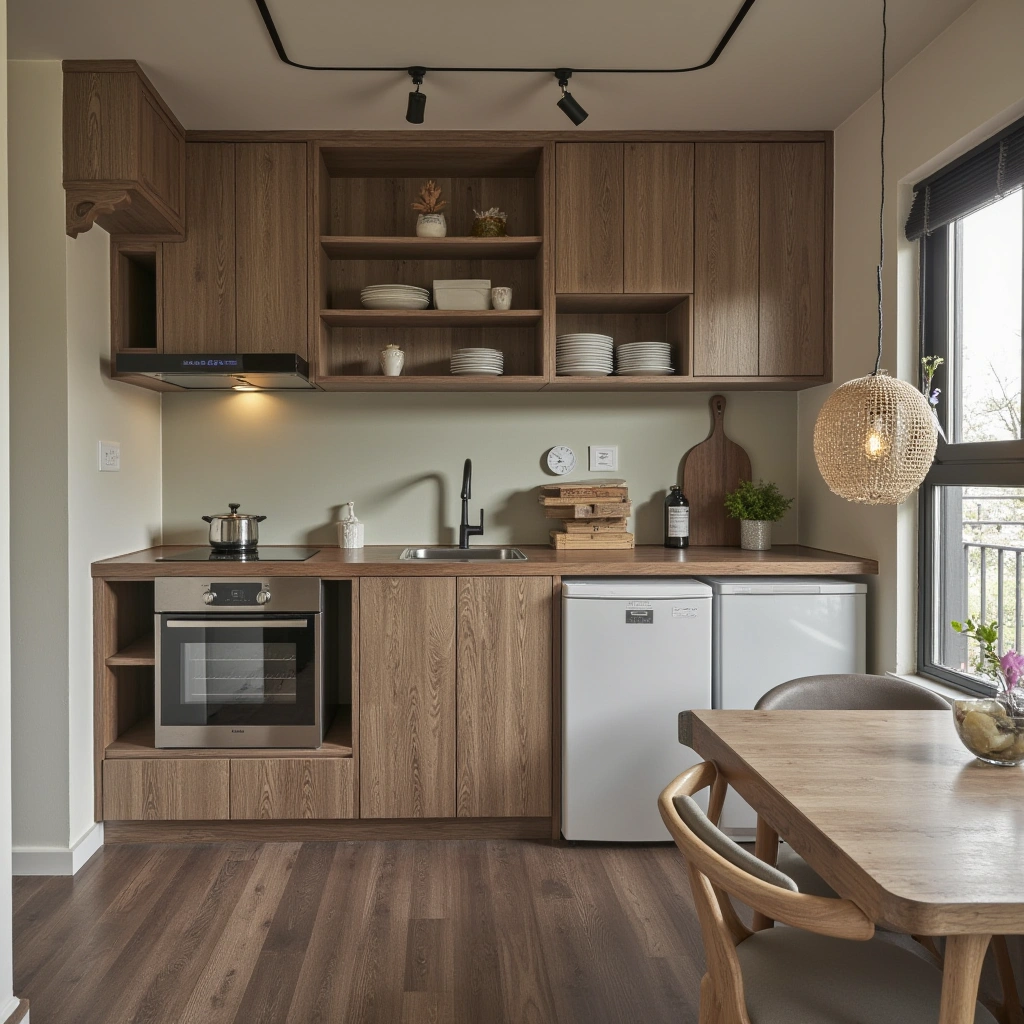
A smart kitchen design can make the most of limited space in a tiny house. Opt for compact appliances, efficient storage solutions, and a functional layout to create a kitchen that is both practical and aesthetically pleasing.
Tips for Implementation:
- Use a compact refrigerator, stove, and dishwasher to save space.
- Install wall-mounted cabinets and shelves for storage.
- Consider a kitchen island with storage and seating.
Suitable for:
This design approach is perfect for modern and contemporary home styles, where functionality and efficiency are valued.
Conclusion
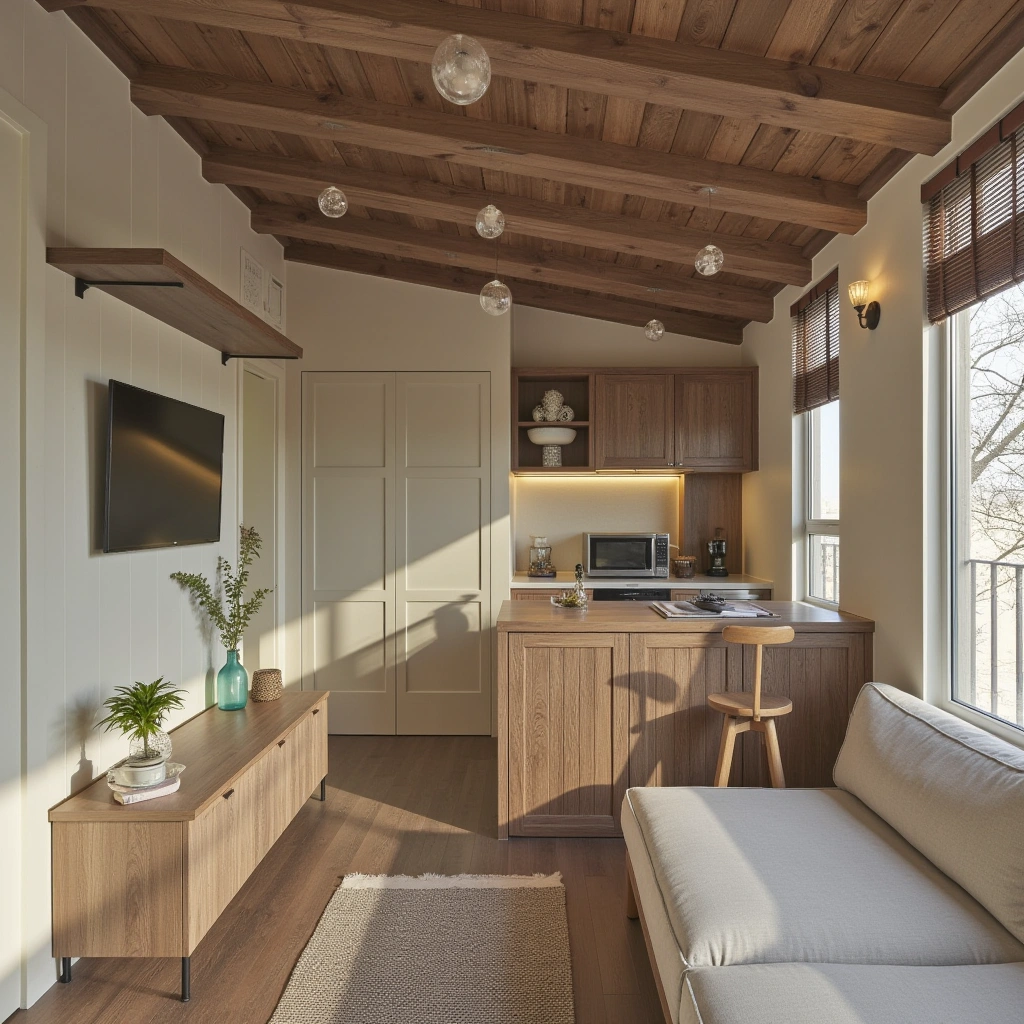
Tiny house interior design is all about making the most of limited space. By using multifunctional furniture, vertical storage solutions, light and bright color schemes, and other creative design ideas, you can transform your tiny house into a cozy and functional haven. Whether you prefer a modern, traditional, or eclectic home style, there are plenty of inspiring tiny house interior design ideas to suit your needs.
Embrace the challenge of living in a tiny house and let your creativity shine through your interior design choices. With the right design principles, you can create a space that feels bigger, more inviting, and perfectly suited to your lifestyle.
So, are you ready to transform your tiny house with these inspiring interior design ideas?
